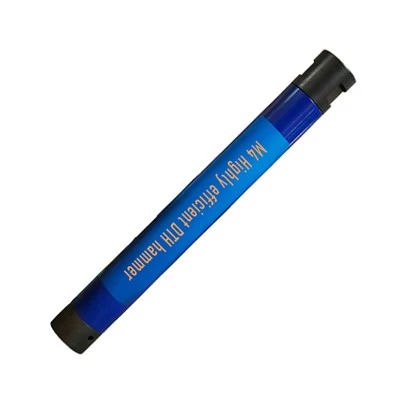
With the continuous development of engineering technology, the application range of down the hole drill bits is becoming more and more extensive. However, many people face a dilemma when choosing a down the hole drill bit: should they choose sharp teeth or ball teeth? This article will provide a detailed analysis of the characteristics and application scenarios of pointed teeth and ball teeth to help readers better choose the appropriate down the hole drill bit for themselves.
Firstly, let's take a look at the pointed down the hole drill bit. Sharp toothed down the hole drill bit has sharp cutting teeth and is suitable for harder geological conditions, such as rock formations. The sharp toothed drill bit has strong cutting ability and can quickly break the formation during drilling, improving drilling efficiency. However, due to the high cutting force of pointed drill bits, greater drilling power and stable drilling operation techniques are required during use, otherwise it is easy to cause drill rod breakage or increased drill bit wear. In addition, pointed drill bits also have high requirements for the working environment. If there are too many water sources or soft soil, it may reduce the service life of pointed drill bits.
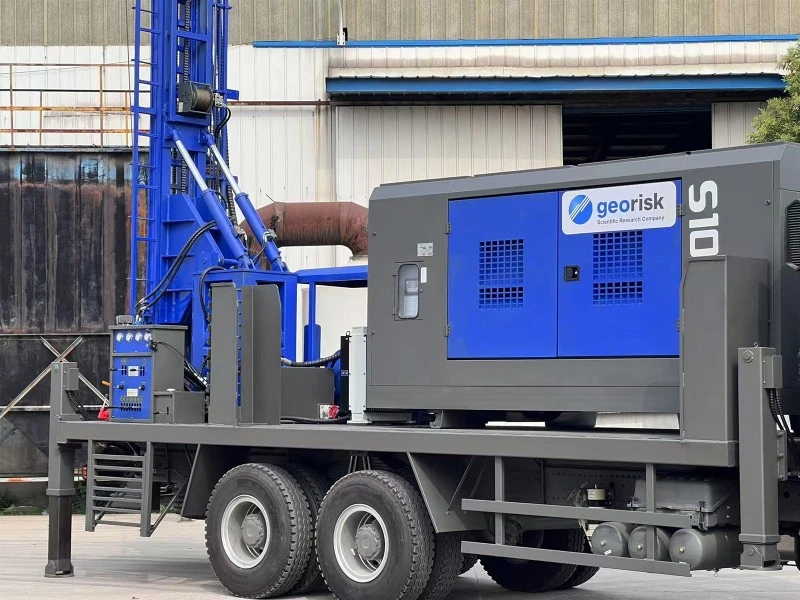
Relatively speaking, ball toothed down the hole drill bits are suitable for softer geological conditions, such as mud formations. The cutting teeth of the ball toothed drill bit are spherical and suitable for crushing and cleaning mud formations. The cutting force of the ball tooth drill bit is relatively small, and it is relatively stable during use, with lower requirements for drilling power and operation. In addition, the service life of ball toothed drill bits is relatively long and they exhibit good adaptability to mud formations. However, the cleaning ability of ball toothed drill bits is relatively weak, and if encountering hard geological conditions, it may take longer to complete the task.
In summary, the choice of whether to use pointed or spherical teeth for a down the hole drill bit depends on specific engineering geological conditions and requirements. For hard geological conditions, pointed down the hole drill bits have better cutting ability; For softer geological conditions, ball toothed down the hole drill bits are more suitable. When choosing a down the hole drill bit, it is also necessary to consider the power and stability of the drilling rig, as well as the requirements for the working environment.