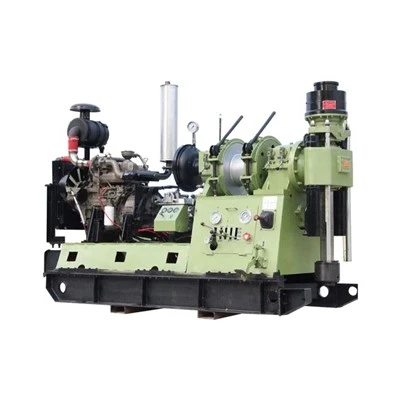
Choosing the right 200–300m water well drilling rig is critical for drilling efficiency, project cost control, and long-term equipment reliability. This guide helps contractors and buyers select the most suitable rig based on drilling depth, geological conditions, and project requirements.
How to Choose a 200–300m Water Well Drilling Rig
1.Confirm Your Required Drilling Depth
Always select a rig with a drilling capacity slightly higher than your actual project needs.
- Recommended range: 200–300m rigs for rural and agricultural projects
- Avoid underpowered machines that reduce efficiency and lifespan
2. Analyze Geological Conditions
Different formations require different torque and drilling methods:
- Soft soil & sand: lower torque, mud drilling preferred
- Limestone & mixed rock: higher torque, DTH hammer recommended
A rig like the SM260 crawler water well drilling rig provides flexibility across multiple formations.
3. Consider Drilling Methods Compatibility
A professional 200–300m drilling rig should support:
Air drilling with DTH hammer
Mud rotary drilling
Optional foam or casing drilling
4. Evaluate Mobility and Site Access
Many water well projects are located in:
Rural villages
Farmland
Mountainous or muddy terrain
A crawler-type drilling rig offers superior stability and mobility compared to wheeled models.
5. Power, Torque, and Efficiency
Key indicators include:
Engine power (70–90kW typical)
Rotary torque above 4,000 N·m
Feeding stroke above 3m
These parameters directly affect penetration speed and fuel consumption.
6. After-Sales Service & Spare Parts Support
Reliable after-sales service ensures:
Reduced downtime
Faster maintenance
Long-term operating cost control
Conclusion
When selecting a 200–300m water well drilling rig, focus on drilling depth, geological adaptability, torque output, and service support. Models like the SM260 hydraulic crawler water well drilling rig offer a balanced solution for professional contractors seeking efficiency and reliability.