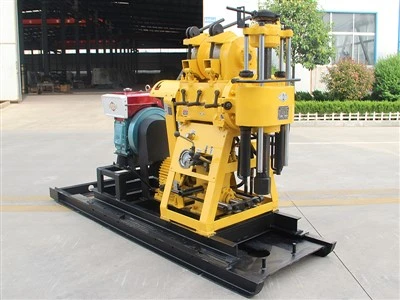
260m vs 300m Water Well Drilling Rig: Which One Is Right for You?
Introduction
Choosing between a 260m water well drilling rig and a 300m water well drilling rig is a common challenge for drilling contractors, distributors, and engineering companies. While the difference in depth may seem small, it often determines project suitability, operating cost, and long-term return on investment.
This guide compares 260m and 300m drilling rigs from a practical engineering and procurement perspective, helping you select the right machine based on real drilling conditions-not just specifications.
1. Typical Project Depth Requirements
Before comparing machines, the first question should always be: What depth do your actual projects require?
260m Water Well Drilling Rig – Typical Projects
Rural drinking water wells
Agricultural irrigation wells
Residential and community water supply
Small commercial water wells
Most projects in farmland, villages, and developing regions fall within the 100–260m range, making a 260m-class rig sufficient.
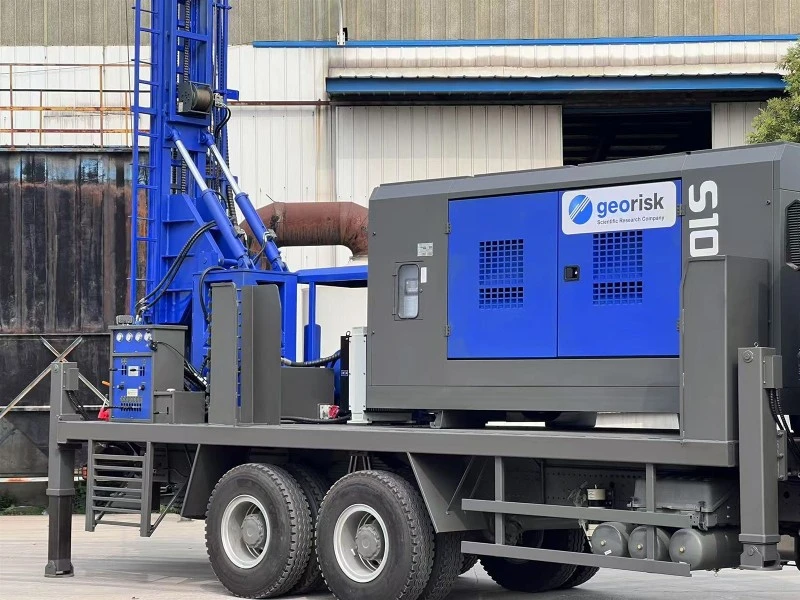
300m Water Well Drilling Rig – Typical Projects
Deeper commercial water wells
Industrial water supply projects
Areas with deeper groundwater levels
Projects with higher safety depth margins
If your projects frequently approach or exceed 250m, a 300m drilling rig provides additional depth margin.
2. Geological Conditions and Drilling Capability
Depth alone does not determine drilling difficulty-geological formation is equally important.
260m Rig Capability
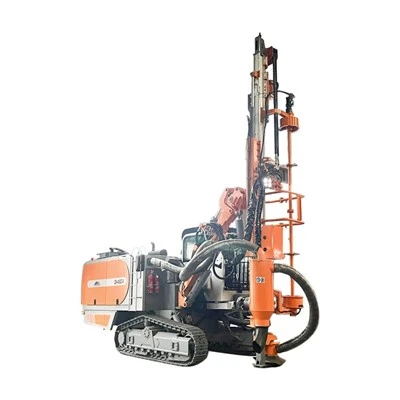
A professional 260m-class rig, such as the SM260 crawler water well drilling rig, typically offers:
- Rotary torque above 4,000 N·m
- Compatibility with air drilling and mud drilling
- Strong performance in clay, sand, gravel, limestone, and mixed formations
This makes it ideal for medium-hard geological conditions commonly encountered in rural and agricultural projects.
300m Rig Capability
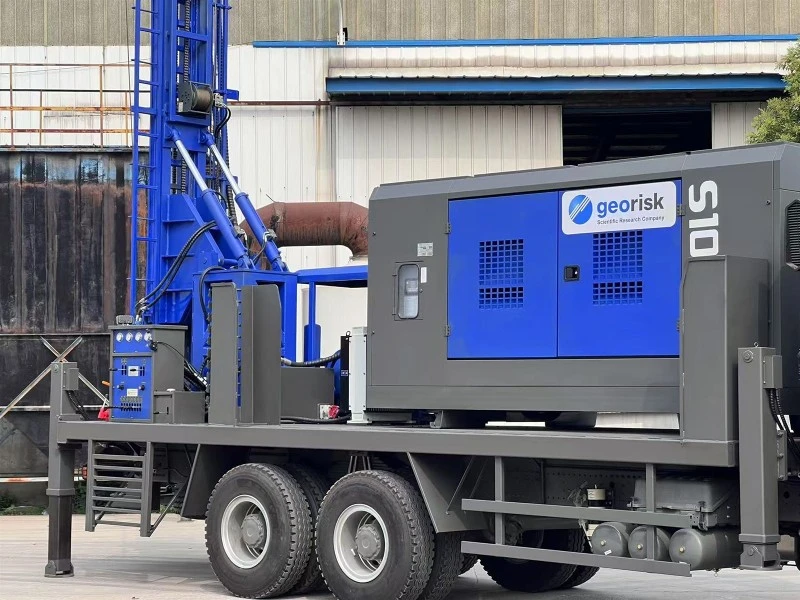
A 300m drilling rig usually provides:
- Higher rotary torque
- Stronger mast and feeding system
- Better performance in harder rock layers at greater depths
If your projects involve frequent hard rock drilling beyond 200m, a 300m-class rig may offer higher efficiency.
3. Cost Comparison: Initial Investment vs Operating Cost
01
260m Drilling Rig – Cost Advantages
- Lower purchase price
- Reduced fuel consumption
- Lower maintenance and spare parts cost
- Easier transportation and site access
For contractors focusing on high-frequency, small-to-medium depth projects, a 260m rig often delivers faster return on investment.
02
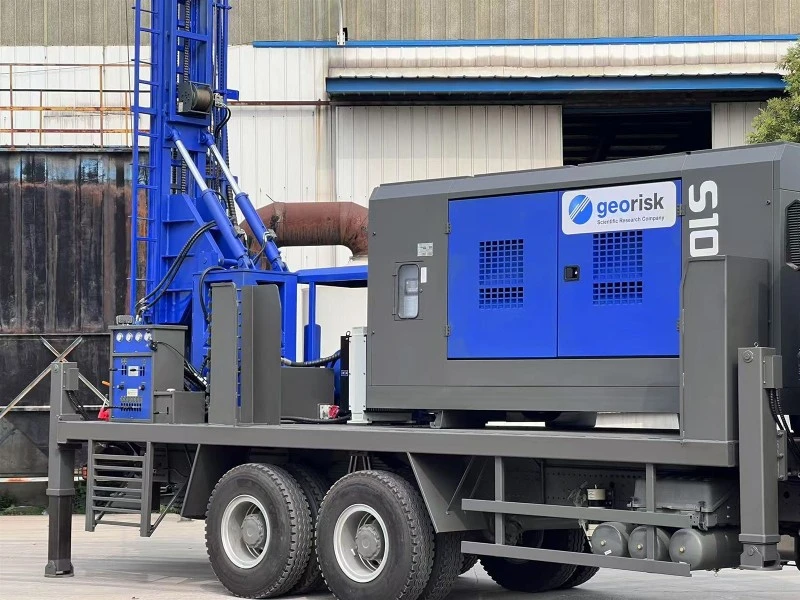
300m Drilling Rig – Higher Capacity, Higher Cost
- Higher initial machine cost
- Increased fuel and maintenance expenses
- Heavier transport requirements
While more powerful, a 300m rig may be over-specified for shallow projects, reducing profitability if deep drilling is not consistent.
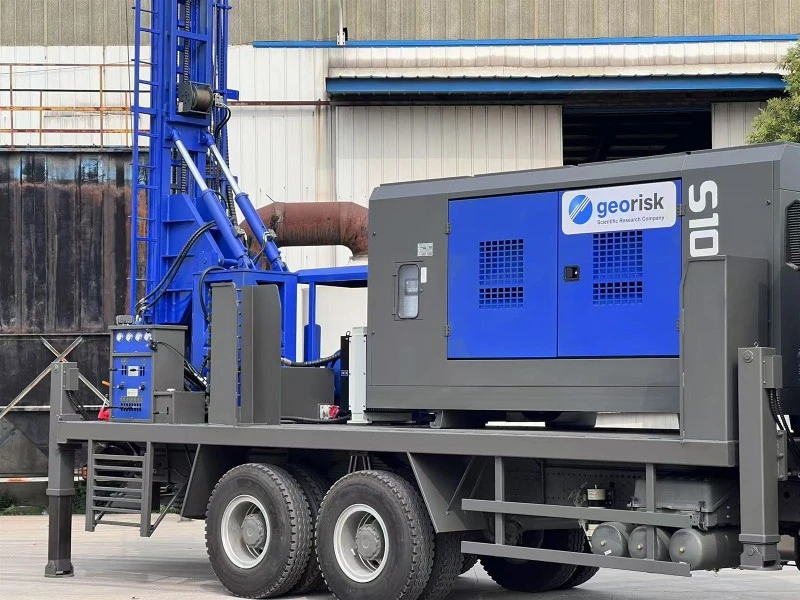
4. Mobility and Site Accessibility
Many water well drilling projects are located in:
- Farmland
- Villages
- Narrow rural roads
- Mountainous or muddy terrain
260m Rig Mobility
- Lighter overall weight
- Easier loading and transportation
- Better maneuverability in confined spaces
Crawler-type 260m rigs are especially popular for rural and agricultural markets.
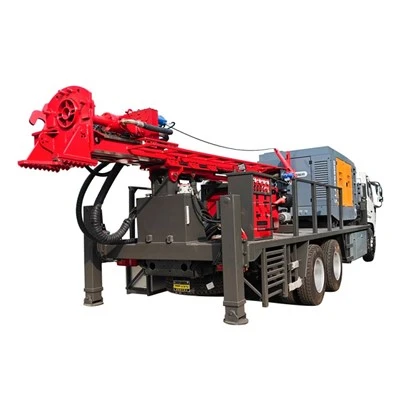
300m Rig Mobility
- Heavier chassis
- Requires wider access and stronger transport vehicles
- Better stability for deeper drilling
If site access is limited, a 260m rig may be the more practical choice.
5. Which One Is More Profitable?
The most profitable drilling rig is not the biggest one-it is the one that matches your most common projects.
Choose a 260m water well drilling rig if:
Most projects are below 230–250m
You focus on irrigation and rural water supply
You want faster ROI and lower operating cost
Choose a 300m water well drilling rig if:
Projects often exceed 250m
You drill in hard rock formations regularly
You plan to expand into deeper commercial wells
6. Recommended Solution for 200–260m Projects
For contractors whose projects mainly fall within the 200–260m range, models such as the SM260 crawler water well drilling rig offer a balanced solution with:
- Sufficient drilling depth
- Strong torque for medium-hard formations
- Lower investment risk
- Excellent mobility and efficiency
Conclusion
When deciding between a 260m vs 300m water well drilling rig, the key factors are project depth distribution, geological conditions, budget, and site accessibility.
A 260m drilling rig is often the smarter and more profitable choice for agricultural and rural projects, while a 300m rig is better suited for deeper, more demanding applications.
Carefully evaluating your real project needs will ensure you invest in a drilling rig that delivers long-term value rather than unnecessary capacity.