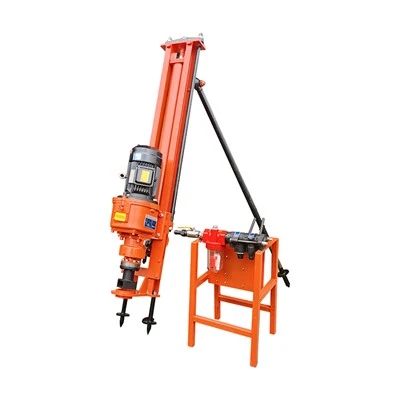
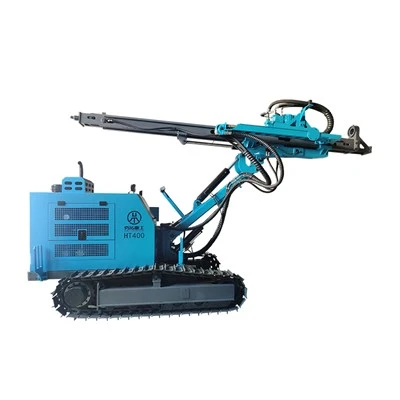
Hey there! As a supplier of DTH (Down-The-Hole) hammers, I'm super excited to share with you the different types of DTH hammers out there. DTH hammers are crucial tools in the drilling industry, used for a variety of applications like mining, construction, and water well drilling. So, let's dive right in!
High Air Pressure DTH Hammer
First up, we've got the high air pressure dth hammer. These bad boys are designed to work under high air pressure, usually above 150 psi. The high pressure allows them to deliver a powerful impact force, making them ideal for hard rock drilling.
One of the main advantages of high air pressure DTH hammers is their high drilling speed. They can penetrate hard rock formations much faster than other types of hammers. This is because the high pressure forces the piston to move more rapidly, creating a stronger impact on the drill bit.
Another benefit is their efficiency. High air pressure DTH hammers can use the compressed air more effectively, reducing the amount of energy wasted. This means lower operating costs in the long run.
However, high air pressure DTH hammers also have some drawbacks. They require a high-capacity air compressor to operate, which can be expensive to purchase and maintain. Also, they tend to be noisier and more vibration-intensive than other types of hammers, which can be a concern in some work environments.
Low Pressure DTH Hammer
Next, let's talk about the Low Pressure DTH Hammer. These hammers operate at a lower air pressure, typically between 70 and 120 psi. They are a great choice for softer rock formations and lighter drilling applications.
One of the main advantages of low pressure DTH hammers is their cost-effectiveness. Since they don't require a high-capacity air compressor, the initial investment and operating costs are much lower. They are also quieter and produce less vibration, making them more suitable for urban areas or noise-sensitive environments.
Low pressure DTH hammers are also more versatile. They can be used with a wider range of drill bits and can adapt to different drilling conditions more easily. This makes them a popular choice for small-scale drilling projects and contractors on a budget.
However, the main limitation of low pressure DTH hammers is their lower impact force. They are not as effective in hard rock formations and may take longer to drill through them.
Medium Air Pressure DTH Hammer
Now, let's take a look at the medium air pressure dth hammer. These hammers operate at an air pressure between 120 and 150 psi, offering a balance between the high and low pressure hammers.
Medium air pressure DTH hammers combine the advantages of both high and low pressure hammers. They have a relatively high impact force, allowing them to drill through medium-hard rock formations efficiently. At the same time, they don't require as powerful an air compressor as high pressure hammers, reducing the operating costs.
They are also more suitable for a wider range of applications compared to high or low pressure hammers. Whether you're drilling in soft or medium-hard rock, a medium air pressure DTH hammer can get the job done.
However, like any other tool, medium air pressure DTH hammers also have their limitations. They may not be as effective as high pressure hammers in extremely hard rock formations, and they may not be as cost-effective as low pressure hammers in very soft rock.
Other Types of DTH Hammers
Apart from the three main types mentioned above, there are also some other specialized DTH hammers available in the market.
For example, there are reverse circulation DTH hammers. These hammers are designed to return the cuttings to the surface through the drill string, rather than blowing them out of the hole. This is useful in situations where you need to collect the cuttings for analysis or when you want to minimize the environmental impact of the drilling.
There are also multi-purpose DTH hammers that can be used for both surface and underground drilling. These hammers are designed to be more versatile and can adapt to different drilling conditions and requirements.
Choosing the Right DTH Hammer
So, how do you choose the right DTH hammer for your project? Well, it depends on several factors.
First, you need to consider the type of rock you'll be drilling. If you're dealing with hard rock, a high air pressure DTH hammer may be the best choice. For softer rock, a low pressure DTH hammer would be more suitable. And if you're drilling in medium-hard rock, a medium air pressure DTH hammer could be the way to go.
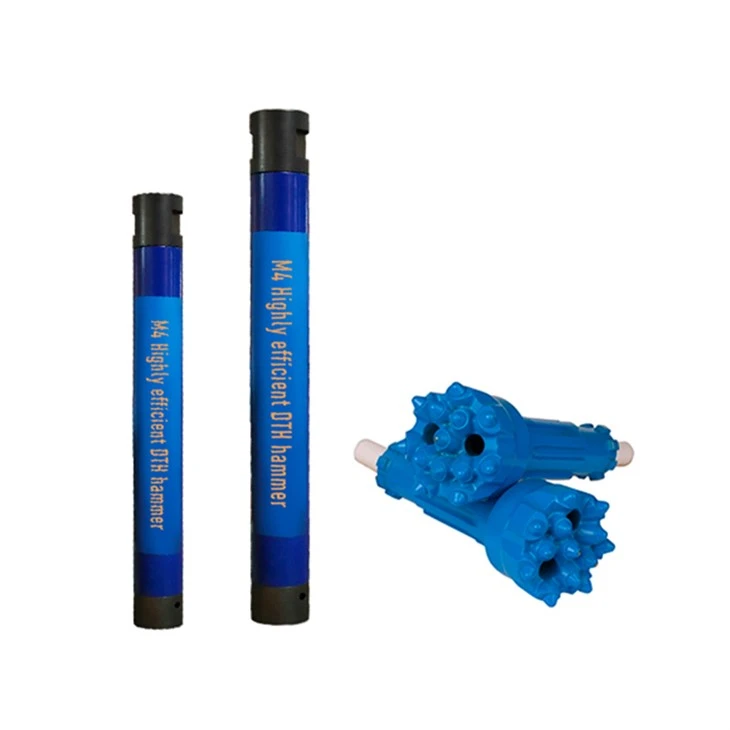
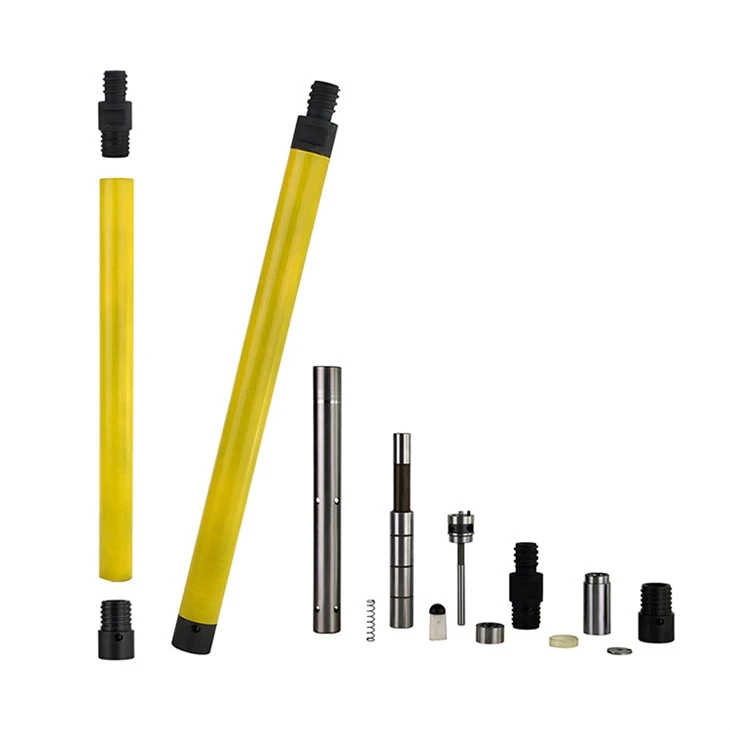
Second, you need to think about your budget. High pressure DTH hammers are generally more expensive to purchase and operate, while low pressure hammers are more cost-effective. Make sure you choose a hammer that fits within your budget.
Third, consider the size and scale of your project. If you're working on a large-scale project, you may need a more powerful and efficient hammer. For small-scale projects, a more versatile and cost-effective hammer may be sufficient.
Finally, think about the environmental conditions and regulations. If you're working in an urban area or a noise-sensitive environment, a low pressure or medium air pressure DTH hammer may be a better choice due to their lower noise and vibration levels.
Why Choose Our DTH Hammers
As a DTH hammer supplier, we offer a wide range of high-quality DTH hammers to meet your specific needs. Our hammers are designed and manufactured using the latest technology and the highest quality materials, ensuring reliable performance and long service life.
We also provide excellent customer service and technical support. Our team of experts is always ready to help you choose the right DTH hammer for your project and to provide you with any assistance you may need during the installation and operation of the hammer.
If you're interested in our DTH hammers or have any questions, please don't hesitate to contact us. We'd love to discuss your requirements and help you find the perfect solution for your drilling needs.
Conclusion
In conclusion, there are several types of DTH hammers available in the market, each with its own advantages and disadvantages. By understanding the different types and considering your specific needs and requirements, you can choose the right DTH hammer for your project. And if you're looking for a reliable DTH hammer supplier, we're here to help.
So, what are you waiting for? Contact us today and let's start drilling!
References
- Drilling Equipment Handbook
- Rock Drilling Technology Journal