What is the Wear - Resistance of the Drill Bit of a Mini Rock Drilling Machine?
As a supplier of Mini rock drilling machines, I've encountered numerous inquiries from customers about the wear - resistance of drill bits. Wear - resistance is a critical factor that significantly impacts the performance and cost - effectiveness of mini rock drilling machines. In this blog, I'll delve into what wear - resistance means in the context of drill bits for mini rock drilling machines, the factors affecting it, and how to improve it.
Understanding Wear - Resistance of Drill Bits
Wear - resistance refers to the ability of a drill bit to withstand the mechanical and chemical forces encountered during the drilling process without significant loss of material or degradation of its cutting edges. When a mini rock drilling machine is in operation, the drill bit comes into direct contact with the hard rock surface. Friction, abrasion, and impact forces act on the drill bit, causing it to wear over time. A drill bit with high wear - resistance can maintain its cutting efficiency for a longer period, reducing the frequency of bit replacement and overall operating costs.
Factors Affecting the Wear - Resistance of Drill Bits
Material Composition
The material of the drill bit is one of the most crucial factors determining its wear - resistance. Common materials used for drill bits in mini rock drilling machines include tungsten carbide, high - speed steel (HSS), and diamond - impregnated materials. Tungsten carbide is extremely hard and has excellent wear - resistance properties. It can withstand high temperatures and pressures generated during drilling, making it suitable for drilling hard rocks. High - speed steel is also a popular choice, especially for less demanding applications. It offers good toughness and can be heat - treated to enhance its hardness and wear - resistance. Diamond - impregnated drill bits are the most wear - resistant, as diamonds are the hardest known material. They are ideal for drilling extremely hard rocks but are also more expensive.
Design and Geometry
The design and geometry of the drill bit also play a vital role in its wear - resistance. The shape of the cutting edges, the number of flutes, and the helix angle all affect how the drill bit interacts with the rock. A well - designed drill bit can distribute the cutting forces evenly, reducing the stress on individual cutting edges and minimizing wear. For example, drill bits with a larger helix angle can remove rock chips more efficiently, preventing them from clogging the flutes and reducing friction.
Drilling Conditions
The type of rock being drilled, the drilling speed, and the feed rate all influence the wear - resistance of the drill bit. Harder rocks, such as granite and quartzite, exert more abrasive forces on the drill bit, causing it to wear faster. Drilling at high speeds or with a high feed rate can also increase the wear rate, as it generates more heat and stress on the drill bit. On the other hand, drilling in softer rocks or at appropriate speeds and feed rates can extend the life of the drill bit.
Improving the Wear - Resistance of Drill Bits
Selecting the Right Material
As mentioned earlier, choosing the appropriate material for the drill bit based on the type of rock being drilled is essential. For hard rocks, tungsten carbide or diamond - impregnated drill bits are recommended. For softer rocks, high - speed steel drill bits may be sufficient. By selecting the right material, you can ensure that the drill bit has the necessary wear - resistance for the specific drilling application.

Proper Maintenance
Regular maintenance of the drill bit can significantly improve its wear - resistance. This includes cleaning the drill bit after each use to remove rock chips and debris, inspecting the cutting edges for signs of wear or damage, and sharpening or replacing the drill bit when necessary. Additionally, proper lubrication during the drilling process can reduce friction and heat, which in turn can slow down the wear rate of the drill bit.
Optimizing Drilling Parameters
Adjusting the drilling speed and feed rate according to the type of rock being drilled can also enhance the wear - resistance of the drill bit. Using a lower speed and feed rate when drilling hard rocks can reduce the stress on the drill bit and prevent premature wear. Conversely, when drilling softer rocks, a higher speed and feed rate can be used to increase the drilling efficiency without causing excessive wear.
Our Mini Rock Drilling Machines and Drill Bits
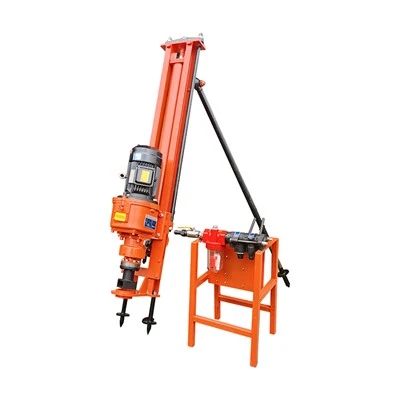
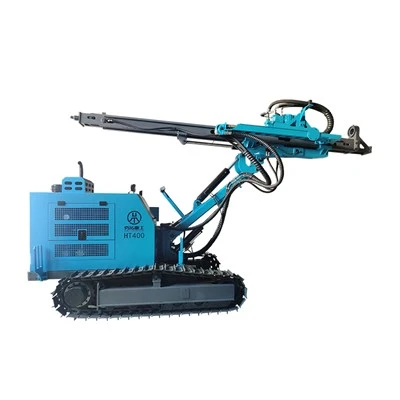
At our company, we offer a wide range of mini rock drilling machines, including mini pneumatic drill, small down the hole drilling, and pneumatic air leg rock drill. Our drill bits are made from high - quality materials and are designed with advanced geometries to ensure maximum wear - resistance. We understand the importance of wear - resistance in the drilling process, and we are committed to providing our customers with drill bits that can withstand the toughest drilling conditions.
Whether you are involved in mining, construction, or geotechnical exploration, our mini rock drilling machines and drill bits can meet your needs. Our team of experts can help you select the right drill bit for your specific application, taking into account the type of rock, the drilling conditions, and your budget.
Contact Us for Purchase and Consultation
If you are interested in our mini rock drilling machines or drill bits, or if you have any questions about the wear - resistance of drill bits, please feel free to contact us. We are always ready to provide you with detailed information and professional advice. Our goal is to help you optimize your drilling operations and achieve the best results.
References
-ASM Handbook Volume 1: Properties and Selection: Irons, Steels, and High - Performance Alloys.
-Engineering Materials Science: Properties, Uses, Degradation, Remediation by John A. Schey.
-Rock Mechanics for Underground Mining by Evert Hoek and John W. Bray.