Wear resistance is a critical factor when evaluating the performance and longevity of an air rock drill. As a trusted supplier of air rock drills, I understand the significance of this characteristic and its impact on the overall efficiency of drilling operations. In this blog, we will delve into what wear resistance means for an air rock drill, why it matters, and how our products excel in this aspect.
Understanding Wear Resistance in Air Rock Drills
Wear resistance refers to the ability of an air rock drill to withstand the mechanical and chemical forces that cause it to deteriorate over time. During the drilling process, the drill bit and other components are subjected to high levels of friction, abrasion, and impact. These forces can gradually wear down the surfaces of the drill, leading to reduced performance, increased maintenance costs, and ultimately, the need for premature replacement.
The wear of an air rock drill can occur in several ways. One of the most common forms is abrasive wear, which happens when hard particles in the rock come into contact with the drill bit or other moving parts. This can cause the material to be removed from the surface, leading to a loss of sharpness and cutting efficiency. Another type of wear is adhesive wear, which occurs when two surfaces stick together under pressure and then separate, causing material transfer and surface damage. Additionally, fatigue wear can result from repeated stress cycles, leading to cracks and fractures in the drill components.
Why Wear Resistance Matters
The wear resistance of an air rock drill has a direct impact on its performance and cost - effectiveness. A drill with high wear resistance will maintain its cutting edge and performance for a longer period, reducing the frequency of bit changes and downtime. This not only increases productivity but also lowers the overall cost of drilling operations.
For example, in mining and construction projects, where drilling is a continuous and demanding process, a wear - resistant air rock drill can save significant time and money. Fewer bit replacements mean less time spent on maintenance and more time spent on actual drilling. Moreover, a drill that resists wear is less likely to break down, reducing the risk of costly repairs and project delays.
Factors Affecting Wear Resistance
Several factors influence the wear resistance of an air rock drill. The quality of the materials used in its construction is perhaps the most important. High - grade steels, carbides, and other advanced materials are commonly used to enhance wear resistance. For instance, carbide - tipped drill bits are known for their excellent hardness and abrasion resistance, making them ideal for drilling hard rocks.
The design of the drill also plays a crucial role. A well - designed drill will distribute the forces evenly during the drilling process, reducing the stress on individual components and minimizing wear. Features such as optimized flutes, efficient cooling systems, and proper lubrication can also improve wear resistance by reducing friction and heat generation.
The operating conditions also have a significant impact on wear. Drilling in hard, abrasive rocks will naturally cause more wear than drilling in softer materials. Similarly, high - speed drilling and heavy - duty applications will put more stress on the drill, increasing the rate of wear. Therefore, it is important to select an air rock drill that is suitable for the specific operating conditions.
Our Wear - Resistant Air Rock Drills
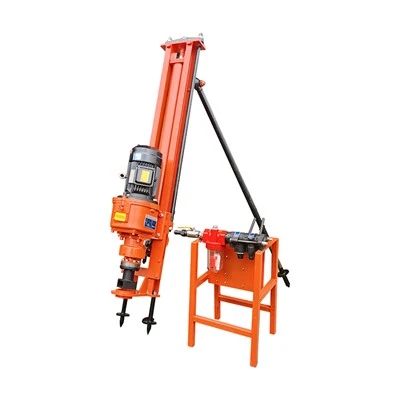
As a leading supplier of air rock drills, we are committed to providing products with exceptional wear resistance. Our pneumatic air leg rock drill is designed with high - quality materials and advanced manufacturing techniques to ensure long - lasting performance. The drill bits are made from premium carbides, which offer excellent hardness and abrasion resistance. The air leg provides stable support and reduces the stress on the drill, further enhancing its wear resistance.
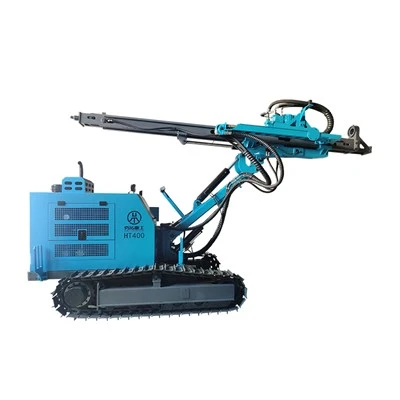
Our small down the hole drilling equipment is another example of our commitment to wear resistance. These drills are built to withstand the harsh conditions of small - scale drilling operations. The compact design and efficient cooling system help to reduce heat and friction, minimizing wear on the drill components.
In addition, our mini pneumatic drill is perfect for applications where space is limited. Despite its small size, it is equipped with wear - resistant materials and a robust design, ensuring reliable performance in various drilling environments.


Testing and Quality Assurance
To ensure the wear resistance of our air rock drills, we conduct rigorous testing procedures. Our drills are tested under simulated real - world conditions, including different rock types, drilling speeds, and pressures. This allows us to evaluate their performance and identify any areas for improvement.
We also have a strict quality assurance system in place. Every drill that leaves our factory is inspected and tested to meet the highest standards of quality and wear resistance. This ensures that our customers receive products that are reliable and long - lasting.
Conclusion
Wear resistance is a key characteristic of an air rock drill that directly affects its performance, productivity, and cost - effectiveness. As a supplier, we understand the importance of providing drills that can withstand the rigors of continuous use in demanding environments. Our range of air rock drills, including the pneumatic air leg rock drill, small down the hole drilling equipment, and mini pneumatic drill, are designed with high - quality materials and advanced features to offer exceptional wear resistance.
If you are in the market for an air rock drill and want to learn more about our products, please feel free to contact us. We are ready to assist you in finding the right drill for your specific needs and provide you with the best solutions for your drilling operations.
References
- "Handbook of Rock Drilling" by various authors, which provides in - depth knowledge about the principles and technologies of rock drilling, including wear mechanisms and prevention.
- "Materials Science and Engineering: An Introduction" by William D. Callister, which offers fundamental concepts about materials properties and their relation to wear resistance.