Air compressors play a crucial and multi - faceted role in rock drilling equipment. As a rock drilling equipment supplier, I have witnessed firsthand how the performance of air compressors can significantly impact the efficiency, productivity, and overall success of rock drilling operations.
Power Source for Pneumatic Drills
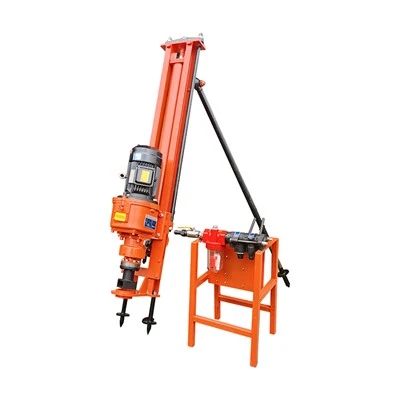
One of the primary functions of an air compressor in rock drilling equipment is to serve as a power source. Many rock drills, such as the mini pneumatic drill, rely on compressed air to operate. Compressed air provides the force necessary to drive the drill bit into the rock. When the air compressor pumps high - pressure air into the drill, it creates a reciprocating motion within the drill mechanism. This motion causes the drill bit to strike the rock surface repeatedly, breaking it apart.
The power of the air compressor directly affects the drilling speed and the ability to penetrate different types of rock. A more powerful air compressor can generate higher air pressure, which in turn enables the drill to deliver stronger blows to the rock. For example, when drilling through hard granite, a high - pressure air compressor can ensure that the drill bit can break through the tough rock layers more effectively than a less powerful one.
Dust Removal
In rock drilling operations, a significant amount of dust is generated as the drill bit breaks the rock. This dust can be a serious health hazard to the operators and can also affect the performance of the drilling equipment. Air compressors play a vital role in dust removal. Compressed air is used to blow the dust away from the drilling area.
The air compressor can be connected to a dust collection system or used to create an air curtain around the drill bit. The high - velocity air stream created by the compressor helps to carry the dust particles away from the drill, keeping the working environment cleaner and reducing the risk of respiratory problems for the operators. Moreover, by removing the dust, the air compressor also helps to prevent the dust from clogging the drill bit and other components of the drilling equipment, which can improve the equipment's lifespan and reduce maintenance requirements.
Cooling of Drilling Equipment
During the drilling process, a large amount of heat is generated due to the friction between the drill bit and the rock. Excessive heat can cause the drill bit to wear out quickly and can also damage other components of the drilling equipment. Air compressors can be used to cool the drilling equipment.
Compressed air can be directed towards the drill bit and other heat - generating parts of the equipment. The expansion of the compressed air as it is released absorbs heat from the surrounding components, effectively cooling them down. This cooling effect helps to maintain the integrity of the drill bit and other parts, ensuring that they can operate at optimal performance levels for longer periods. For instance, in continuous drilling operations where the drill bit is constantly in contact with the rock, the cooling function provided by the air compressor is essential to prevent overheating and premature failure of the equipment.
Lubrication of Moving Parts
Many rock drilling equipment have moving parts that require lubrication to reduce friction and wear. Air compressors can be used in conjunction with lubrication systems. Compressed air can be used to transport lubricants to the moving parts of the drill.


The air pressure from the compressor forces the lubricant through the delivery lines and into the areas where it is needed. This ensures that the moving parts, such as the pistons, valves, and bearings in the drill, are properly lubricated. Proper lubrication not only reduces friction and wear but also improves the overall efficiency of the drilling equipment. It allows the parts to move smoothly, which in turn reduces the energy consumption of the equipment and increases its reliability.
Impact on Different Types of Rock Drilling Equipment
Integrated Open - pit Down - the - hole Drill Rig
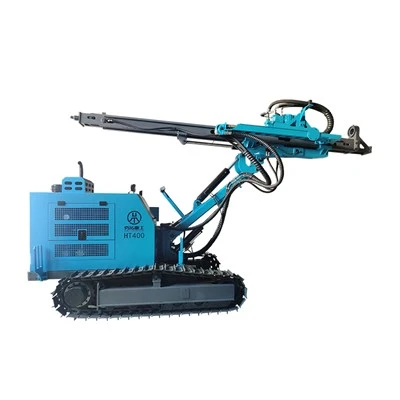
In an integrated open - pit down - the - hole drill rig, the air compressor is a key component. These rigs are used for large - scale open - pit mining operations, where they need to drill deep holes in the rock. The air compressor provides the necessary power for the down - the - hole hammer, which is the main drilling tool in these rigs.
The high - pressure air from the compressor drives the down - the - hole hammer to strike the drill bit at high frequency, enabling it to penetrate the rock at a relatively fast pace. Additionally, the air compressor is responsible for removing the cuttings and dust from the borehole. The constant flow of compressed air ensures that the borehole remains clear, allowing the drill to continue its operation without interruption.
Pneumatic Air Leg Rock Drill
Pneumatic air leg rock drills are widely used in underground mining and tunneling operations. The air compressor is the heart of this type of drill. It powers the drill's reciprocating motion and also provides the air pressure needed to extend and retract the air leg, which supports the drill and allows for easy positioning.
The air compressor's performance directly affects the maneuverability and the drilling performance of the pneumatic air leg rock drill. A reliable air compressor can ensure that the drill can be easily adjusted to different angles and heights, which is crucial for precise drilling in confined underground spaces.
Considerations for Selecting an Air Compressor for Rock Drilling Equipment
When selecting an air compressor for rock drilling equipment, several factors need to be considered. The first factor is the air pressure and flow rate requirements of the drilling equipment. Different types of drills have different air pressure and flow rate specifications. It is essential to choose an air compressor that can meet these requirements to ensure optimal performance of the drilling equipment.
The size and portability of the air compressor are also important considerations. In some mining and construction sites, space may be limited, and the equipment needs to be moved frequently. A compact and portable air compressor can be more convenient to use in such situations.
Another factor is the energy efficiency of the air compressor. An energy - efficient air compressor can reduce the operating costs of the rock drilling operations. It is also important to consider the reliability and durability of the air compressor, as rock drilling operations often take place in harsh environments.
Conclusion
In conclusion, air compressors are indispensable components in rock drilling equipment. They serve as power sources, help with dust removal, cooling, and lubrication, and have a significant impact on the performance and efficiency of different types of rock drilling equipment. As a rock drilling equipment supplier, I understand the importance of providing high - quality air compressors that are well - matched with the drilling equipment.
If you are in the market for rock drilling equipment or need to upgrade your existing air compressor for better performance, I encourage you to contact us for more information. We have a wide range of rock drilling equipment and air compressors to meet your specific needs. Our team of experts can provide you with professional advice and support to ensure that you get the most suitable equipment for your rock drilling operations.
References
- Smith, J. (2018). Rock Drilling Technology. Mining Journal Publications.
- Johnson, R. (2019). Air Compressors in Industrial Applications. Engineering Press.
- Brown, A. (2020). Dust Management in Mining Operations. Environmental Science Journal.