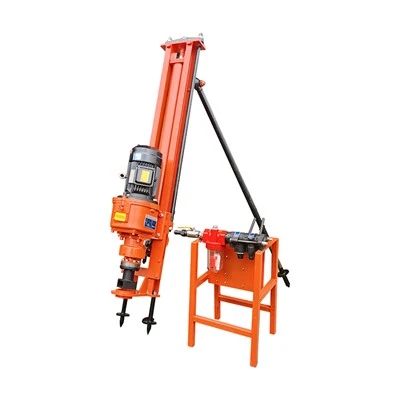
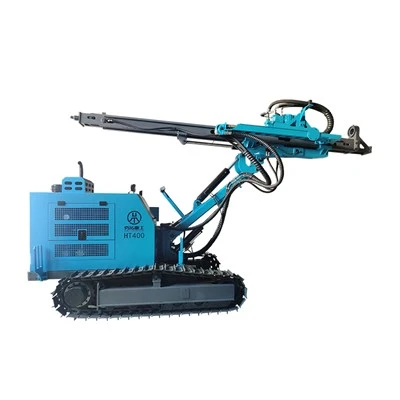
Foundation piling is a critical process in construction, providing the necessary support for structures by transferring loads to deeper, more stable soil or rock layers. Among the various tools and equipment used in foundation piling, the drilling rod plays a pivotal role. As a drilling rod supplier, I have witnessed firsthand the importance of these components in ensuring the success of piling operations. In this blog, I will delve into the role of a drilling rod in foundation piling, exploring its functions, types, and the key considerations when choosing the right drilling rod for a project.
Functions of a Drilling Rod in Foundation Piling
Transfer of Torque and Thrust
One of the primary functions of a drilling rod is to transfer torque and thrust from the drilling machine to the drill bit. Torque is the rotational force that enables the drill bit to cut through the soil or rock, while thrust is the downward force that keeps the drill bit in contact with the material being drilled. A high - quality drilling rod must be able to withstand these forces without deforming or breaking. For example, in large - scale foundation piling projects where deep and hard rock layers need to be penetrated, the drilling rod must be strong enough to transfer significant torque and thrust to the drill bit.
Removal of Cuttings
During the drilling process, the drill bit breaks up the soil or rock into small pieces known as cuttings. The drilling rod helps in the removal of these cuttings from the borehole. This is typically achieved through a process called flushing, where a fluid (usually water or drilling mud) is pumped down through the drilling rod and out of the drill bit. The fluid then carries the cuttings back up to the surface through the annulus between the drilling rod and the borehole wall. Effective cutting removal is essential to prevent the cuttings from accumulating at the bottom of the borehole, which can impede the drilling process and cause damage to the drill bit and drilling rod.
Guidance and Alignment
The drilling rod also provides guidance and alignment for the drill bit. It ensures that the drill bit follows a straight path as it penetrates the ground, which is crucial for the accuracy of the foundation piling. In some cases, especially in projects where multiple piles need to be installed in a specific pattern, the alignment of the boreholes is critical for the overall stability and integrity of the foundation. A well - designed drilling rod with proper straightness and stiffness can help maintain the correct alignment of the drill bit.
Types of Drilling Rods
Threaded Drill Bits Shank Adapter
Threaded drill bits shank adapters are an important type of drilling rod component. They are used to connect the drill bit to the main drilling rod. These adapters come in various sizes and thread types to fit different drill bits and drilling rods. The Threaded Drill Bits Shank Adapter offers a secure and reliable connection, ensuring that the drill bit can effectively receive the torque and thrust from the drilling rod. They are particularly useful in rock drilling applications, where a strong connection between the drill bit and the rod is essential to withstand the high forces involved.
Steel Drill Rod
Steel drill rods are the most commonly used type of drilling rod in foundation piling. They are made of high - strength steel, which provides excellent durability and resistance to wear and tear. Steel Drill Rod can be used in a wide range of soil and rock conditions, from soft clay to hard granite. These rods are available in different lengths and diameters to suit various drilling requirements. For example, in shallow foundation piling projects, shorter and thinner steel drill rods may be sufficient, while in deep - sea or large - scale construction projects, longer and thicker rods may be needed.


Tapered drill rods
Tapered drill rods are designed with a tapered shape, which provides several advantages. The tapered design allows for easier insertion and removal of the drill rod from the borehole, especially in difficult soil conditions. Tapered drill rods are also more flexible than straight rods, which can be beneficial in situations where the borehole needs to follow a curved path. They are commonly used in mining and tunneling applications, as well as in some foundation piling projects where the ground conditions are complex.
Key Considerations When Choosing a Drilling Rod
Soil and Rock Conditions
The first and most important consideration when choosing a drilling rod is the soil and rock conditions at the project site. Different types of soil and rock require different types of drilling rods. For example, in soft soil, a lighter and more flexible drilling rod may be sufficient, while in hard rock, a high - strength and heavy - duty drilling rod is needed. Conducting a thorough geotechnical investigation of the site before selecting the drilling rod is essential to ensure the right choice.
Drilling Depth and Diameter
The drilling depth and diameter also play a crucial role in the selection of a drilling rod. Deeper boreholes require longer and stronger drilling rods to withstand the increased torque and thrust. Similarly, larger diameter boreholes may require thicker and more robust drilling rods to ensure proper cutting removal and alignment. It is important to accurately estimate the drilling depth and diameter based on the project requirements and then choose a drilling rod that can meet these specifications.
Compatibility with Drilling Equipment
The drilling rod must be compatible with the drilling equipment being used. This includes ensuring that the thread type, size, and connection method of the drilling rod match those of the drill bit and the drilling machine. Incompatible components can lead to poor performance, increased wear and tear, and even safety hazards. Therefore, it is important to consult the equipment manufacturer's specifications and guidelines when selecting a drilling rod.
Conclusion
In conclusion, the drilling rod is an indispensable component in foundation piling. Its functions of transferring torque and thrust, removing cuttings, and providing guidance and alignment are crucial for the success of the drilling process. With different types of drilling rods available, such as threaded drill bits shank adapters, steel drill rods, and tapered drill rods, it is important to choose the right one based on the soil and rock conditions, drilling depth and diameter, and compatibility with the drilling equipment.
As a drilling rod supplier, we understand the importance of providing high - quality products that meet the diverse needs of our customers. Our range of drilling rods is designed to offer excellent performance, durability, and compatibility with various drilling equipment. If you are involved in a foundation piling project and are looking for reliable drilling rods, we invite you to contact us for a detailed discussion and to explore the best solutions for your specific requirements.
References
- ASTM International. (20XX). Standard specifications for steel drill rods for oil and gas wells.
- American Society of Civil Engineers. (20XX). Foundation design and construction guidelines.
- Drilling Industry Handbook. (20XX). A comprehensive guide to drilling equipment and techniques.