When it comes to the world of drilling operations, one question that often arises is: What is the maximum speed for a drilling bit? As a seasoned supplier of high - quality drilling bits, I've had the privilege of witnessing firsthand the crucial role that speed plays in the efficiency and success of drilling projects. In this blog, I'll delve into the factors influencing the maximum speed of a drilling bit, explore different types of bits and their optimal speeds, and provide some practical insights for those in the industry.
Factors Affecting the Maximum Speed of a Drilling Bit
The maximum speed of a drilling bit is not a one - size - fits - all value. It is influenced by a multitude of factors, each of which must be carefully considered to ensure safe and effective drilling.
Rock Formation
The type of rock being drilled through is perhaps the most significant factor. Soft rocks, such as sandstone or shale, allow for higher drilling speeds compared to hard rocks like granite or basalt. In soft rock formations, the drilling bit can penetrate more easily, and the cutting edges are less likely to experience excessive wear. On the other hand, hard rocks require slower speeds to prevent the bit from overheating and to ensure that the cutting edges can effectively break through the dense material.
Bit Design and Material
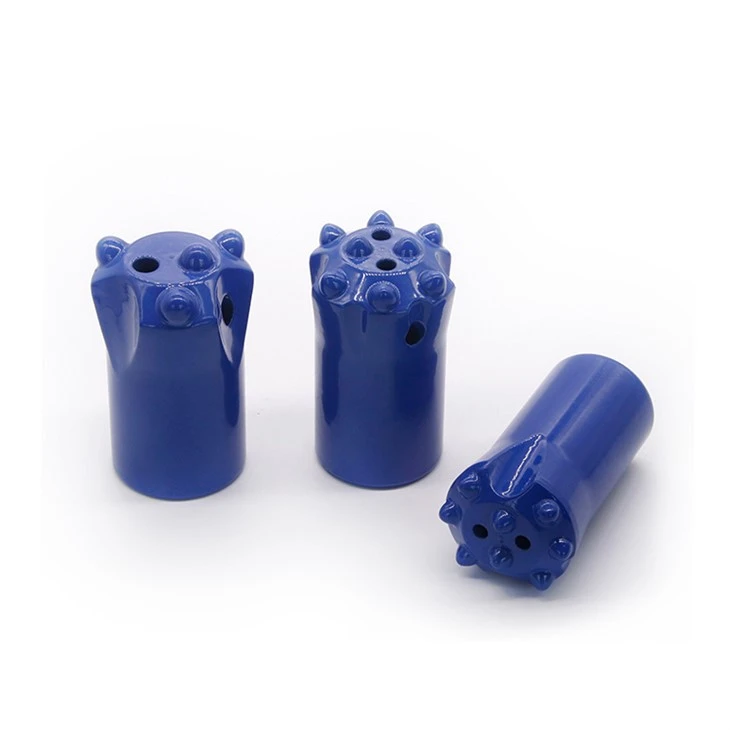
The design and material of the drilling bit also play a crucial role. Different bit designs are optimized for different drilling conditions. For example, PDC Drag Bits are known for their high - speed performance in soft to medium - hard rock formations. These bits are made with polycrystalline diamond compact (PDC) cutters, which are extremely hard and can withstand high - speed rotation. In contrast, Tapered Button Bit are more suitable for hard rock drilling and may have a lower maximum speed due to the nature of their design and the need to ensure proper button penetration.
The material of the bit body and the cutting elements also affects its speed capabilities. High - quality steel alloys and advanced carbide materials can provide better wear resistance and heat dissipation, allowing the bit to operate at higher speeds without significant damage.

Drilling Equipment
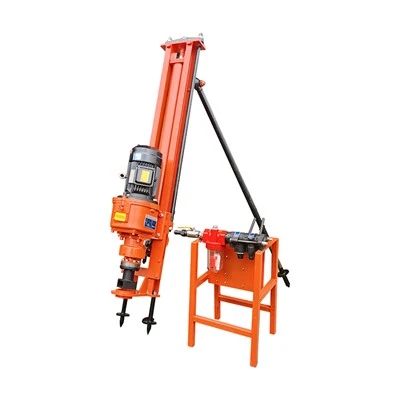
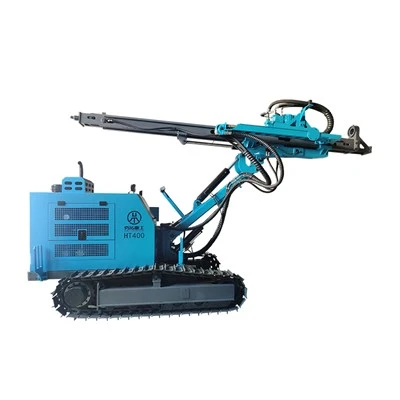
The type and condition of the drilling equipment, including the drill rig, the motor, and the drive system, can impact the maximum speed of the drilling bit. A powerful drill rig with a high - torque motor can provide the necessary force to rotate the bit at higher speeds. Additionally, proper maintenance of the drilling equipment is essential to ensure smooth operation and to prevent any mechanical issues that could limit the bit's speed.
Cooling and Lubrication
Effective cooling and lubrication are vital for maintaining the maximum speed of a drilling bit. During the drilling process, friction between the bit and the rock generates heat, which can cause the bit to wear out quickly or even fail. Cooling fluids, such as water or drilling mud, are used to dissipate the heat and to lubricate the cutting edges. Insufficient cooling or lubrication can lead to overheating, which in turn reduces the bit's efficiency and may require a decrease in speed.
Optimal Speeds for Different Types of Drilling Bits
Now, let's take a closer look at some common types of drilling bits and their optimal speeds.
PDC Drag Bits
PDC Drag Bits are widely used in oil and gas drilling, as well as in water well drilling. These bits are designed to cut through the rock by scraping and shearing. In soft to medium - hard rock formations, PDC Drag Bits can achieve relatively high rotational speeds, typically ranging from 60 to 200 revolutions per minute (RPM). However, in harder rock formations, the speed may need to be reduced to around 30 to 60 RPM to ensure efficient cutting and to prevent premature wear of the PDC cutters.
Tapered Button Bits
Tapered Button Bits are commonly used in mining and quarrying operations for drilling in hard rock formations. These bits use button - shaped carbide inserts to break through the rock. The optimal speed for Tapered Button Bits is generally lower than that of PDC Drag Bits. In hard rock, the rotational speed may range from 20 to 50 RPM. At these speeds, the buttons can effectively penetrate the rock and break it into small fragments.
Drill Bits (General Category)
The maximum speed for a general category of drill bits can vary widely depending on their specific design and the application. For example, retrac top - hammer drill bits are used in surface and underground drilling. In soft to medium - hard rock, they can operate at speeds of 40 to 100 RPM, while in hard rock, the speed may be reduced to 20 to 40 RPM.
Practical Considerations for Achieving the Maximum Speed
To achieve the maximum speed for a drilling bit while maintaining safety and efficiency, the following practical considerations should be taken into account:
Pre - Drilling Assessment
Before starting the drilling operation, a thorough assessment of the rock formation should be conducted. This can involve geological surveys, rock sampling, and laboratory testing to determine the hardness, density, and other properties of the rock. Based on this information, the appropriate type of drilling bit can be selected, and the optimal speed can be determined.
Real - Time Monitoring
During the drilling process, real - time monitoring of the bit's performance is essential. This can include monitoring the rotational speed, the torque, the temperature, and the rate of penetration. By analyzing these parameters, any issues can be detected early, and adjustments can be made to the drilling speed or other operating conditions as needed.
Training and Experience
The skills and experience of the drilling operator also play a significant role in achieving the maximum speed of the drilling bit. A well - trained operator can make informed decisions based on the real - time data and the specific drilling conditions. They can also perform proper maintenance and troubleshooting to ensure the smooth operation of the drilling equipment.
Conclusion
In conclusion, the maximum speed for a drilling bit is a complex concept that is influenced by multiple factors, including the rock formation, the bit design and material, the drilling equipment, and the cooling and lubrication. Different types of drilling bits have different optimal speeds, and achieving the maximum speed requires careful consideration of all these factors.
As a supplier of high - quality Drill Bits, PDC Drag Bits, and Tapered Button Bit, we understand the importance of providing our customers with the right products and the necessary technical support. If you are involved in a drilling project and need assistance in selecting the appropriate drilling bit or determining the optimal speed, we encourage you to contact us for a detailed discussion. Our team of experts is ready to help you achieve the best results in your drilling operations.
References
- Engineering Principles of Rock Mechanics, by John A. Hudson and John P. Harrison
- Drilling Engineering Handbook, by William C. Lyons and Gary J. Plisga
- Drilling Fluids Technology, by H. C. H. Darley and George R. Gray