Hey there! As a drilling bits supplier, I often get asked about the difference between carbide - tipped drill bits and solid carbide drill bits. It's a pretty common question, and today, I'm gonna break it down for you.
Let's start with the basics. Carbide is an extremely hard and wear - resistant material. It's made up of carbon and one or more metallic elements, usually tungsten. This combination gives it properties that make it ideal for drilling through tough materials.
Carbide - Tipped Drill Bits
Carbide - tipped drill bits are like a hybrid. The tip of the drill bit is made of carbide, while the body is typically made of high - speed steel (HSS). The reason for this design is cost - effectiveness. Carbide is more expensive than HSS, so by only using it at the tip where the cutting action happens, manufacturers can keep the cost down.
These bits are great for general - purpose drilling. They can handle a variety of materials, including wood, metal, and plastic. For example, if you're working on a DIY project at home, like building a bookshelf or drilling holes in a metal plate for a small repair, a carbide - tipped drill bit will do the job just fine.
One of the advantages of carbide - tipped drill bits is their versatility. You can use them with different types of drills, such as hand drills or drill presses. They're also relatively easy to sharpen. If the tip gets dull after some use, you can take it to a professional sharpener or do it yourself with the right tools.
However, they do have their limitations. Since the carbide tip is only a small part of the bit, it may not be as durable as a solid carbide bit when drilling through extremely hard materials. For instance, if you're trying to drill through hardened steel or concrete, the carbide tip might wear out faster, and you may need to replace the bit more frequently.
Solid Carbide Drill Bits
On the other hand, solid carbide drill bits are made entirely of carbide. This means they offer superior hardness and wear resistance compared to carbide - tipped drill bits. They're designed for heavy - duty applications where precision and durability are crucial.
Solid carbide drill bits are commonly used in industries such as manufacturing, aerospace, and automotive. In the manufacturing industry, they're used to drill holes in high - strength alloys and other tough materials. For example, when making engine parts for cars or airplanes, solid carbide drill bits can ensure accurate and clean holes.
One of the main benefits of solid carbide drill bits is their long lifespan. Because they're made of all carbide, they can withstand high temperatures and pressures without losing their cutting edge. This makes them a cost - effective choice in the long run, even though they're more expensive upfront.
They also provide better precision. The uniform material of the solid carbide bit allows for more accurate drilling, which is essential in applications where tight tolerances are required. For example, in the aerospace industry, a single millimeter of error in a drilled hole can have serious consequences, so solid carbide drill bits are the go - to choice.
But solid carbide drill bits aren't without their drawbacks. They're more brittle than carbide - tipped drill bits. This means they can break more easily if they're used incorrectly or if they encounter an unexpected obstacle while drilling. Also, they're more expensive than carbide - tipped drill bits, so they may not be the best option for occasional or light - duty use.
Comparison in Different Aspects
Cost
As mentioned earlier, carbide - tipped drill bits are generally more affordable. They're a great option for those on a budget or for DIYers who don't need to drill through extremely hard materials on a regular basis. Solid carbide drill bits, on the other hand, are more expensive due to the high cost of carbide and the manufacturing process. But if you're in an industry where productivity and precision are key, the long - term cost savings from their durability can outweigh the initial investment.
Durability
When it comes to durability, solid carbide drill bits take the lead. They can handle continuous use in tough materials without significant wear. Carbide - tipped drill bits, while durable for general use, may not last as long when used in harsh conditions.
Precision
Solid carbide drill bits offer better precision because of their uniform material and design. They can drill holes with very tight tolerances, which is crucial in industries like aerospace and medical device manufacturing. Carbide - tipped drill bits can provide decent precision for most applications but may not be as accurate as solid carbide bits in high - precision work.
Application Range
Carbide - tipped drill bits have a wider application range for general users. They can be used for a variety of materials and projects, from simple home repairs to small - scale industrial work. Solid carbide drill bits, however, are more specialized and are mainly used in industries where high - performance drilling is required.
Our Product Offerings
As a drilling bits supplier, we offer both carbide - tipped drill bits and solid carbide drill bits to meet the diverse needs of our customers. Whether you're a DIY enthusiast or a professional in a heavy - duty industry, we've got you covered.
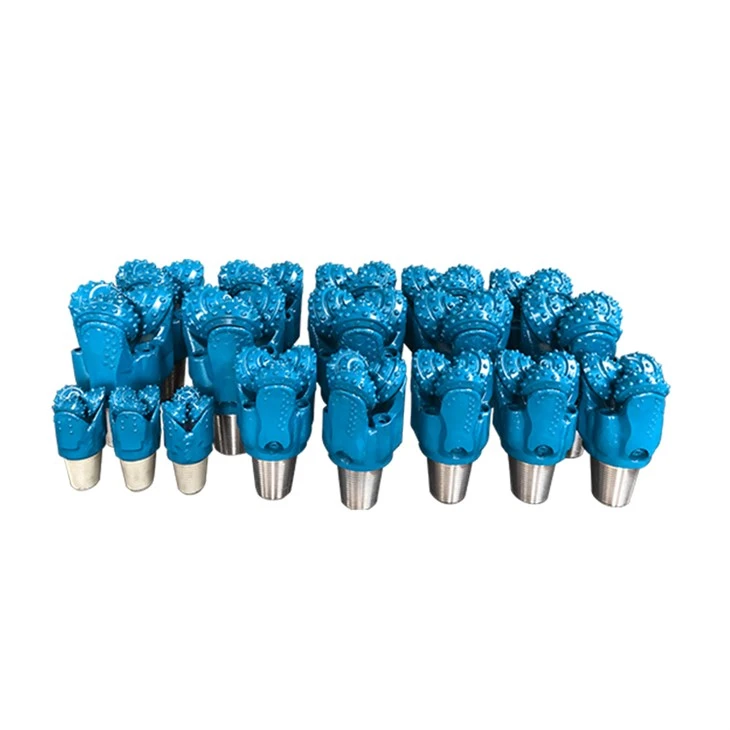
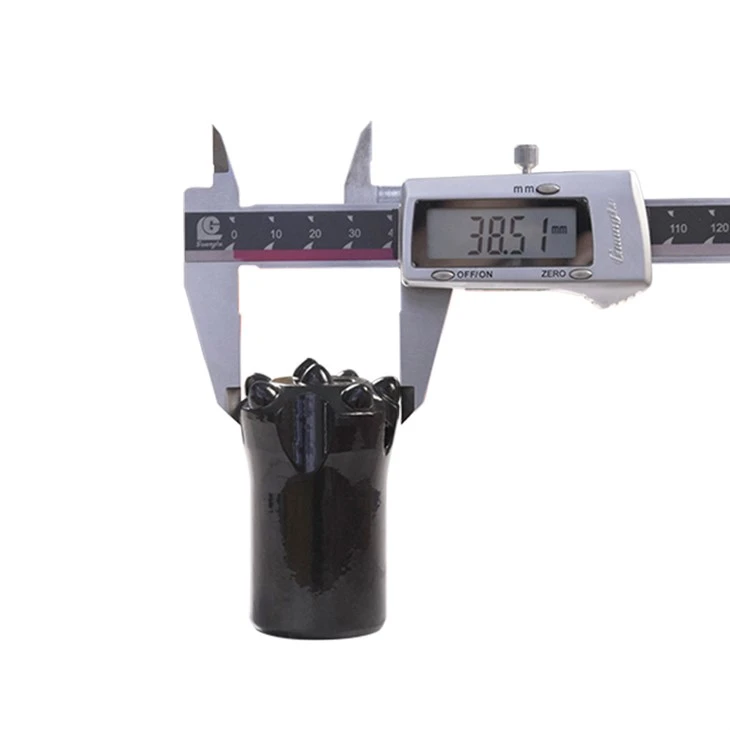
We also have a range of other drilling bits, such as Pdc Drill, Tapered Button Bit, and PDC Bits. These bits are designed for specific applications, like well drilling and rock drilling, and offer high - performance solutions.
Conclusion
In conclusion, the choice between a carbide - tipped drill bit and a solid carbide drill bit depends on your specific needs. If you're looking for a versatile and affordable option for general - purpose drilling, a carbide - tipped drill bit is a good choice. But if you need a bit for heavy - duty applications where precision and durability are essential, then a solid carbide drill bit is the way to go.
If you're interested in our drilling bits or have any questions about which bit is right for your project, don't hesitate to reach out. We're here to help you make the best decision and ensure you get the most out of your drilling experience.
References
- "Drilling Tools Handbook" by John Smith
- "Advanced Drilling Techniques" published by Industrial Press