As a supplier of air rock drills, I've witnessed firsthand the critical role these tools play in various industries, from mining to construction. One of the most significant concerns when it comes to air rock drills is their resistance to corrosion. In this blog post, I'll delve into what corrosion resistance means for air rock drills, why it's essential, and how we ensure our products meet the highest standards.
Understanding Corrosion and Its Impact on Air Rock Drills
Corrosion is a natural process that occurs when metals react with their environment, typically oxygen and moisture. This reaction leads to the formation of metal oxides, which can weaken the structure of the drill and compromise its performance. For air rock drills, which are often used in harsh conditions such as mines, quarries, and construction sites, corrosion can be a major issue.
When an air rock drill corrodes, several problems can arise. First, the moving parts of the drill may become stiff or jammed, reducing the drill's efficiency and increasing the risk of breakdowns. Second, corrosion can cause the drill bit to wear out more quickly, leading to frequent replacements and increased costs. Finally, a corroded drill may not perform as well as a non - corroded one, resulting in slower drilling speeds and lower productivity.
Factors Affecting the Corrosion Resistance of Air Rock Drills
Several factors influence an air rock drill's resistance to corrosion. The material used in the construction of the drill is perhaps the most important factor. High - quality steels, such as stainless steel, are often used because they contain elements like chromium, which forms a protective oxide layer on the surface of the metal. This layer acts as a barrier, preventing oxygen and moisture from reaching the underlying metal and thus reducing the risk of corrosion.
The design of the air rock drill also plays a role. A well - designed drill will have features that minimize the accumulation of moisture and debris. For example, sealed bearings and gaskets can prevent water from entering the internal components of the drill. Additionally, a drill with a smooth surface finish is less likely to trap moisture and dirt, which can accelerate corrosion.
The operating environment is another crucial factor. Air rock drills used in coastal areas or in mines with high humidity are more likely to corrode than those used in dry, inland locations. Similarly, drills exposed to chemicals or saltwater are at a higher risk of corrosion. In these environments, it's essential to take extra precautions to protect the drill.
Our Approach to Ensuring Corrosion Resistance
As a supplier, we take several steps to ensure that our air rock drills have excellent corrosion resistance. First, we carefully select the materials for our drills. We use high - grade stainless steels and other corrosion - resistant alloys in the construction of critical components. These materials are not only durable but also provide long - lasting protection against corrosion.
Second, we employ advanced manufacturing techniques to ensure the integrity of the drill's structure. Our manufacturing processes are designed to create a smooth, uniform surface finish that resists the accumulation of moisture and debris. We also pay close attention to the design of our drills, incorporating features such as sealed bearings and gaskets to prevent water ingress.
In addition to using high - quality materials and advanced manufacturing techniques, we offer a range of protective coatings for our air rock drills. These coatings provide an extra layer of protection against corrosion, especially in harsh environments. Our coatings are carefully formulated to be durable and resistant to abrasion, ensuring that they don't wear off easily during normal use.
Types of Air Rock Drills and Their Corrosion Resistance
We offer a variety of air rock drills to meet the diverse needs of our customers. Each type of drill has its own unique features and corrosion - resistant properties.
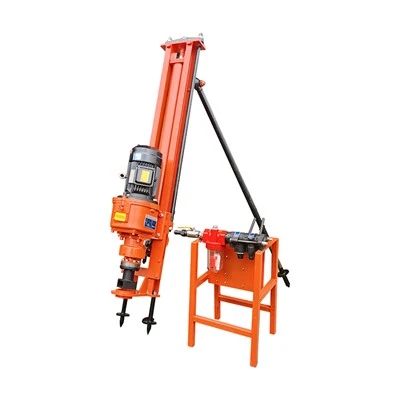
Mini Pneumatic Drill
Our mini pneumatic drill is a compact and lightweight option that is ideal for small - scale drilling applications. Despite its small size, it is built with high - quality materials and advanced corrosion - resistant technologies. The drill's components are made from stainless steel and other corrosion - resistant alloys, and it is designed with a sealed housing to prevent water and dust from entering. This makes it suitable for use in a variety of environments, including damp or humid conditions.
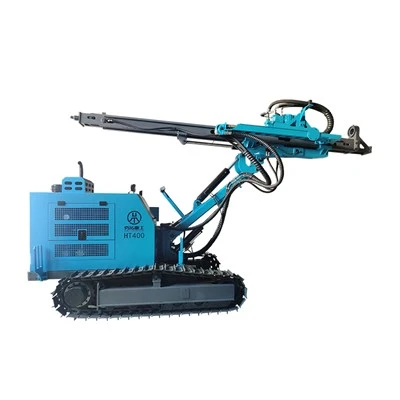
Integrated Open - pit Down - the - hole Drill Rig
The Integrated Open - pit Down - the - hole Drill Rig is a heavy - duty drill designed for large - scale mining and construction projects. This drill is exposed to some of the harshest conditions, including high humidity, dust, and chemicals. To ensure its corrosion resistance, we use a combination of high - strength steels and specialized coatings. The drill's structure is designed to withstand the rigors of continuous use in challenging environments, and its components are protected by a robust corrosion - resistant system.

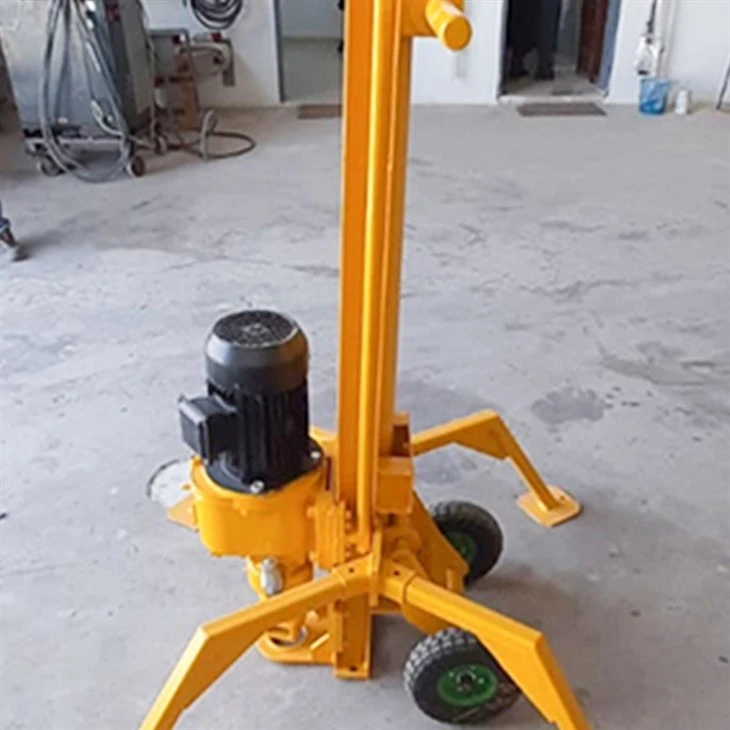
Pneumatic Air Leg Rock Drill
Our pneumatic air leg rock drill is a popular choice for underground mining and tunneling applications. This drill is often used in wet and confined spaces, where corrosion can be a significant problem. We address this issue by using corrosion - resistant materials in the construction of the drill and by applying a protective coating to its external surfaces. The air leg of the drill is also designed to be resistant to corrosion, ensuring reliable performance even in the most demanding conditions.
Maintenance Tips to Enhance Corrosion Resistance
While our air rock drills are designed to be highly corrosion - resistant, proper maintenance is still essential to ensure their long - term performance. Here are some tips to help you maintain the corrosion resistance of your air rock drill:
- Clean the drill regularly: After each use, clean the drill to remove any dirt, dust, or debris. Use a mild detergent and a soft brush to clean the external surfaces of the drill. Pay special attention to the areas around the drill bit and the air intake.
- Dry the drill thoroughly: After cleaning, make sure the drill is completely dry before storing it. Moisture can accelerate corrosion, so it's important to remove all traces of water from the drill.
- Lubricate the moving parts: Regular lubrication helps to prevent corrosion and ensures smooth operation of the drill. Use a high - quality lubricant recommended by the manufacturer.
- Store the drill properly: When not in use, store the drill in a dry, clean place. If possible, store the drill in a protective case or cover to prevent it from being exposed to moisture and dust.
Contact Us for Your Air Rock Drill Needs
If you're in the market for a high - quality air rock drill with excellent corrosion resistance, look no further. We are committed to providing our customers with the best products and services. Our team of experts can help you choose the right drill for your specific application and provide you with all the information you need to ensure its proper use and maintenance.
Whether you're a small - scale contractor or a large - scale mining company, we have the air rock drill that meets your needs. Contact us today to start a conversation about your requirements and let us help you find the perfect solution for your drilling projects.
References
- ASM Handbook Committee. (1996). ASM Handbook, Volume 13A: Corrosion: Fundamentals, Testing, and Protection. ASM International.
- Fontana, M. G. (1986). Corrosion Engineering. McGraw - Hill.
- Uhlig, H. H., & Revie, R. W. (1985). Corrosion and Corrosion Control: An Introduction to Corrosion Science and Engineering. Wiley - Interscience.