What is the air flow rate of a screw air compressor?
As a supplier of screw air compressors, I often get asked about the air flow rate of these machines. Understanding the air flow rate is crucial for anyone looking to purchase a screw air compressor, as it directly impacts the compressor's performance and suitability for specific applications. In this blog post, I'll explain what air flow rate is, how it's measured, and why it matters when choosing a screw air compressor.
What is Air Flow Rate?
Air flow rate, also known as volumetric flow rate, refers to the volume of air that a compressor can deliver within a given time frame. It is typically measured in cubic feet per minute (CFM) in the United States, or cubic meters per hour (m³/h) in many other parts of the world. This measurement indicates how much air the compressor can produce, which is essential for powering pneumatic tools and equipment.
How is Air Flow Rate Measured?
The air flow rate of a screw air compressor is determined through a series of standardized tests. Manufacturers use specialized equipment to measure the volume of air discharged from the compressor under specific conditions. These conditions usually include a set pressure and temperature, as both factors can affect the volume of air.
For example, the air flow rate is often measured at a specific discharge pressure, such as 7 bar (100 psi). This measurement is important because the air flow rate of a compressor can vary depending on the pressure at which it is operating. As the pressure increases, the air flow rate typically decreases, as the compressor has to work harder to compress the air to a higher pressure.
Why is Air Flow Rate Important?
The air flow rate is a critical factor when selecting a screw air compressor because it determines the compressor's ability to meet the demands of your pneumatic tools and equipment. Different tools require different air flow rates to operate efficiently. For instance, a small pneumatic nail gun may only require 1 - 2 CFM, while a large sandblaster can need 20 CFM or more.
If the air flow rate of your compressor is too low for the tools you're using, the tools may not operate at their full capacity. They may run slowly, produce less power, or even fail to work altogether. On the other hand, if the air flow rate is too high, you may be paying for a more powerful compressor than you actually need, which can lead to unnecessary energy consumption and higher costs.

Factors Affecting Air Flow Rate
Several factors can affect the air flow rate of a screw air compressor. These include:
- Compressor Size and Capacity: Larger compressors generally have a higher air flow rate than smaller ones. The size of the compressor's air end, which is the part that compresses the air, plays a significant role in determining the air flow rate.
- Pressure Requirements: As mentioned earlier, the air flow rate decreases as the discharge pressure increases. If you need to operate your tools at a high pressure, you'll need a compressor with a higher air flow rate to compensate for the loss.
- Ambient Conditions: The temperature and humidity of the surrounding air can also affect the air flow rate. In hot and humid conditions, the air is less dense, which means the compressor has to work harder to compress the same volume of air. This can result in a lower air flow rate.
- Maintenance: Regular maintenance is essential for maintaining the air flow rate of a screw air compressor. A dirty air filter, worn-out seals, or other issues can reduce the efficiency of the compressor and lower the air flow rate.
Choosing the Right Air Flow Rate
When choosing a screw air compressor, it's important to consider the air flow requirements of all the tools and equipment you'll be using. Make a list of all the pneumatic tools you have or plan to purchase, and note their air flow requirements. Then, add up the total air flow rate needed to ensure that the compressor you choose can meet the demand.
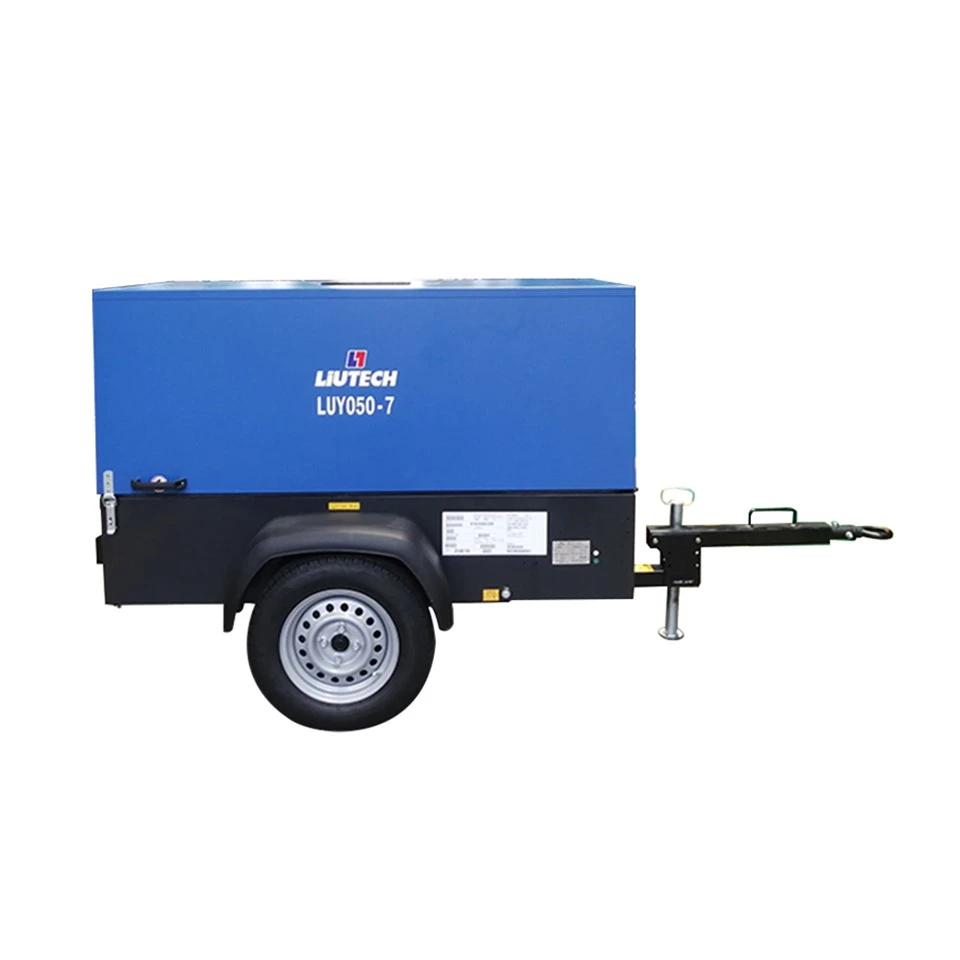
It's also a good idea to choose a compressor with a slightly higher air flow rate than your current needs. This will give you some flexibility in case you add more tools or equipment in the future. Additionally, consider the type of compressor you need. For stationary applications, a stationary air compressor may be the best choice. If you need a compressor for mobile applications, a diesel air compressor could be more suitable.
Our Screw Air Compressor Offerings
As a supplier of screw air compressors, we offer a wide range of models with different air flow rates to meet the diverse needs of our customers. Our 7 Bar screw Air Compressor is a popular choice for many applications, as it provides a reliable air flow rate at a standard pressure.
We also provide detailed specifications for each of our compressors, including the air flow rate at different pressures. This information allows you to make an informed decision when choosing the right compressor for your needs. Our team of experts is always available to assist you in selecting the best compressor and can provide guidance on installation, maintenance, and operation.
Conclusion
In conclusion, the air flow rate of a screw air compressor is a crucial factor to consider when making a purchase. It determines the compressor's ability to power your pneumatic tools and equipment efficiently. By understanding how air flow rate is measured, why it's important, and the factors that can affect it, you can make a more informed decision when choosing a screw air compressor.
If you're in the market for a screw air compressor and need help determining the right air flow rate for your needs, don't hesitate to contact us. Our team of experts is ready to assist you in finding the perfect compressor for your application. Whether you're a small business owner, a contractor, or an industrial user, we have the right solution for you.
References
- Compressed Air and Gas Institute (CAGI). (n.d.). Standards for Compressed Air Equipment.
- ASME (American Society of Mechanical Engineers). (n.d.). Performance Test Codes for Compressors and Vacuum Pumps.