Hey there! As a supplier of rock drilling equipment, I've had my fair share of experiences with how these machines perform under different temperature conditions. It's a topic that doesn't get enough attention, but it's super important when it comes to choosing the right equipment for the job.
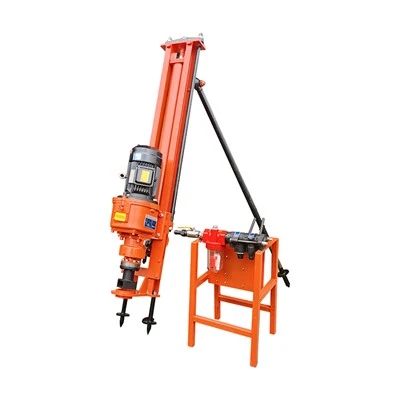
Let's start by talking about the cold. Cold temperatures can be a real pain in the you - know - what for rock drilling equipment. When it gets really cold, the viscosity of lubricants used in the equipment increases. That means the oil doesn't flow as smoothly as it should. For example, in our mini pneumatic drill, which is a pretty handy tool for small - scale drilling jobs, the lubricating oil might thicken up like honey in winter. This can lead to increased friction between moving parts, which in turn can cause excessive wear and tear. The seals in the equipment can also become brittle in the cold. Seals are crucial for keeping the hydraulic fluids and other essential liquids where they belong. If they crack or break because of the low temperatures, it can lead to leaks, and that's a whole new set of problems.
Another issue in cold weather is the impact on the battery, if the equipment is battery - powered. Batteries lose their efficiency in cold temperatures. They don't hold a charge as well, and the power output can drop significantly. So, if you're relying on an electric - powered rock drill, you might find that it runs out of juice much faster than usual or doesn't have the same drilling power.
Now, let's switch gears and talk about hot temperatures. High heat can also cause a bunch of headaches for rock drilling equipment. One of the main problems is overheating. The engine or motor in the equipment generates a lot of heat during operation, and in hot weather, dissipating that heat becomes a real challenge. Take our pneumatic air leg rock drill for instance. The compressor that powers this drill can easily overheat if the ambient temperature is too high. When the equipment overheats, it can cause components to expand, leading to misalignments and increased friction. This can not only damage the parts but also reduce the overall performance of the drill.
The hydraulic systems in rock drilling equipment are also sensitive to heat. Hydraulic fluids can break down at high temperatures. When the fluid breaks down, it loses its lubricating properties and can form deposits in the system. These deposits can clog the small channels and valves in the hydraulic system, causing the equipment to malfunction.
In addition, the rubber and plastic components in the equipment can soften and warp in hot weather. This includes hoses, gaskets, and even some of the housing parts. If the hoses warp, it can affect the flow of fluids, and if the gaskets don't seal properly, it can lead to leaks.
So, what can we do to make our rock drilling equipment more adaptable to different temperatures? Well, for cold temperatures, we can use special low - temperature lubricants. These lubricants are formulated to maintain their fluidity even in freezing conditions. We can also insulate the equipment to keep it warmer, especially the battery and the engine. For battery - powered equipment, using a battery heater can help maintain the battery's performance.
In hot temperatures, proper ventilation and cooling systems are key. We can install additional fans or heat exchangers to help dissipate the heat more effectively. Using high - temperature - resistant hydraulic fluids and materials for the rubber and plastic components can also improve the equipment's performance in the heat.
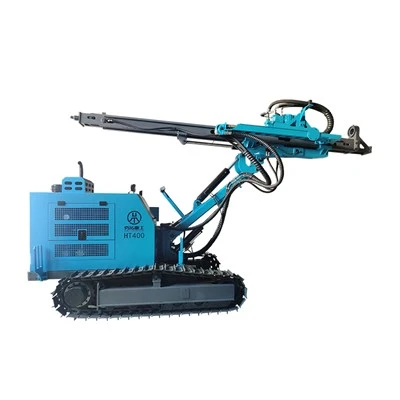
Our company offers a range of rock drilling equipment that is designed with these temperature challenges in mind. For example, our small down the hole drilling machines are built to withstand a wide range of temperatures. We use high - quality materials and advanced engineering techniques to ensure that they perform well in both cold and hot environments. Whether you're working in the frozen tundra or the scorching desert, our equipment is up for the task.
If you're in the market for rock drilling equipment and want to learn more about how our products can adapt to different temperatures, don't hesitate to reach out. We're here to help you find the right equipment for your specific needs. Whether it's a small - scale project or a large - scale industrial operation, we've got you covered.


References:
- "Handbook of Drilling Engineering"
- "Thermal Management in Industrial Equipment"
- Industry reports on rock drilling equipment performance in different climates