Hey there! As a well - drilling water trucks supplier, I've seen firsthand how important communication systems are in these vehicles. Well - drilling water trucks are a crucial part of the water well drilling process. They transport water to the drilling site, which is essential for cooling the drill bit, removing cuttings, and maintaining the stability of the borehole.
Let's start with the basics. There are a few key communication systems that are commonly installed in well - drilling water trucks.
Radio Communication Systems
One of the most widely used communication systems in well - drilling water trucks is the radio system. These radios allow the driver of the water truck to communicate with the drilling crew on - site. For example, if there's a problem with the water supply, like a leak in the tank or a malfunction in the pumping system, the driver can quickly radio the drilling crew to let them know.
There are different types of radios available. VHF (Very High Frequency) radios are quite popular. They offer a decent range, usually up to a few miles, which is perfect for most well - drilling sites. UHF (Ultra High Frequency) radios are also used, especially in areas where there are a lot of obstacles. UHF signals can penetrate through buildings and other structures better than VHF signals.
Most modern radio systems come with features like encryption to ensure secure communication. This is important, as the information shared between the water truck driver and the drilling crew might be sensitive, such as details about the water level in the tank or the status of the drilling operation.
GPS Tracking and Communication
GPS (Global Positioning System) tracking is another essential communication system in well - drilling water trucks. It allows the company to keep track of the location of the water truck at all times. This is useful for a few reasons. Firstly, it helps in route planning. The company can direct the driver to take the most efficient route to the drilling site, saving time and fuel.
Secondly, in case of an emergency, like an accident or a breakdown, the exact location of the water truck can be quickly determined. The GPS system can also be used to communicate with the driver. For example, if there's a change in the drilling site location, the company can send a message to the driver's GPS device, informing them of the new destination.
Many GPS tracking systems also come with features like geofencing. The company can set up virtual boundaries on the map. If the water truck goes outside of these boundaries, an alert is sent to the management. This helps in preventing unauthorized use of the vehicle.
On - Board Diagnostic Communication
Well - drilling water trucks are complex machines, and it's important to keep track of their mechanical status. On - board diagnostic (OBD) systems are used for this purpose. These systems monitor various parameters of the vehicle, such as the engine temperature, oil pressure, and the status of the water pumping system.
The OBD system can communicate any issues it detects to the driver or the maintenance team. For example, if the engine temperature is getting too high, the OBD system will send an alert. This allows for timely maintenance and prevents major breakdowns.
Modern OBD systems can also transmit data to a central server. The maintenance team can access this data remotely and analyze it. They can then provide the driver with instructions on how to address minor issues or schedule a more in - depth maintenance check.
Cellular Communication
Cellular communication systems, like 4G or 5G, are becoming more and more common in well - drilling water trucks. They offer high - speed data transfer, which is useful for a variety of purposes. For example, the water truck can transmit real - time data about the water level in the tank, the flow rate of the water pump, and other important parameters to the drilling crew.
The cellular connection can also be used for video conferencing. This is handy if the drilling crew needs to have a quick discussion with the water truck driver about a particular issue. For instance, if there's a problem with the water flow, the drilling crew can ask the driver to show them the water pump through a video call.
Communication with the Drilling Equipment
Well - drilling water trucks often need to communicate with the drilling equipment on - site. For example, the water truck needs to know when the drilling equipment requires more water. There are specialized communication protocols for this.
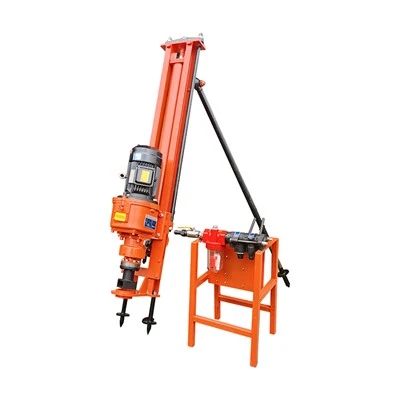
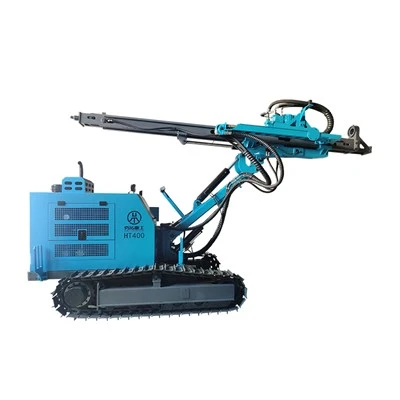
Some well - drilling equipment, like the reverse circulation water well drilling rig, can send signals to the water truck when the water level in the borehole is getting low. The water truck can then start pumping water to the drilling site accordingly.
Similarly, the water well drilling machine and water well drilling rigs can communicate with the water truck to coordinate the water supply based on the stage of the drilling operation.
Challenges and Solutions
Of course, there are some challenges when it comes to communication systems in well - drilling water trucks. One of the main challenges is the harsh environment. Well - drilling sites can be very dusty, dirty, and wet. These conditions can damage the communication equipment.


To overcome this, the communication systems are usually ruggedized. They are built to withstand extreme temperatures, vibrations, and exposure to dust and water. For example, the radio antennas are often designed to be weather - resistant, and the GPS units are housed in protective casings.
Another challenge is the limited power supply in the water truck. Most communication systems require a certain amount of power to operate. To solve this, many water trucks are equipped with auxiliary power sources, like generators or deep - cycle batteries. These power sources can keep the communication systems running even when the engine of the water truck is turned off.
Conclusion
In conclusion, communication systems are a vital part of well - drilling water trucks. They ensure smooth and efficient operation of the water supply to the drilling site. Radio systems, GPS tracking, OBD systems, and cellular communication all work together to keep the water truck driver and the drilling crew connected.
If you're in the market for well - drilling water trucks and are interested in top - notch communication systems, feel free to reach out. We can provide you with detailed information about the different communication systems available and how they can benefit your well - drilling operations. Contact us to start a discussion about your specific needs and let's work together to find the perfect solution for your business.
References
- "Communication Systems for Heavy Vehicles" - Industry Report
- "Well - Drilling Equipment Handbook" - Technical Manual