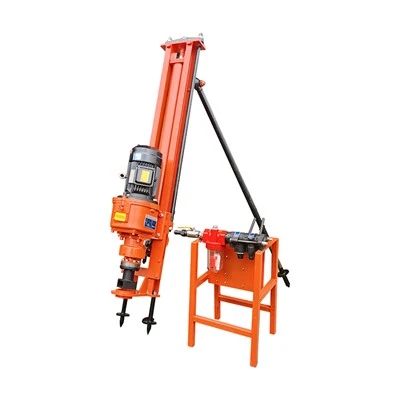
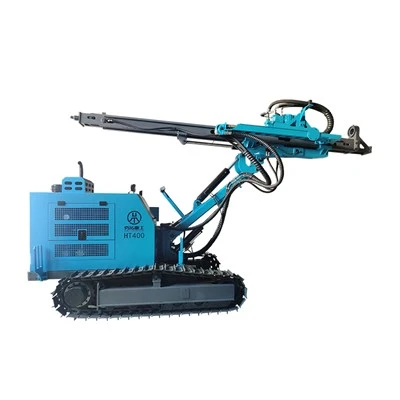
Hey there! I'm a supplier of truck drilling water wells, and I've seen firsthand how important it is to follow safety precautions when using these rigs. In this blog, I'll share some essential safety tips to keep in mind when operating a truck-mounted water well drilling rig.
Pre - operation Safety Checks
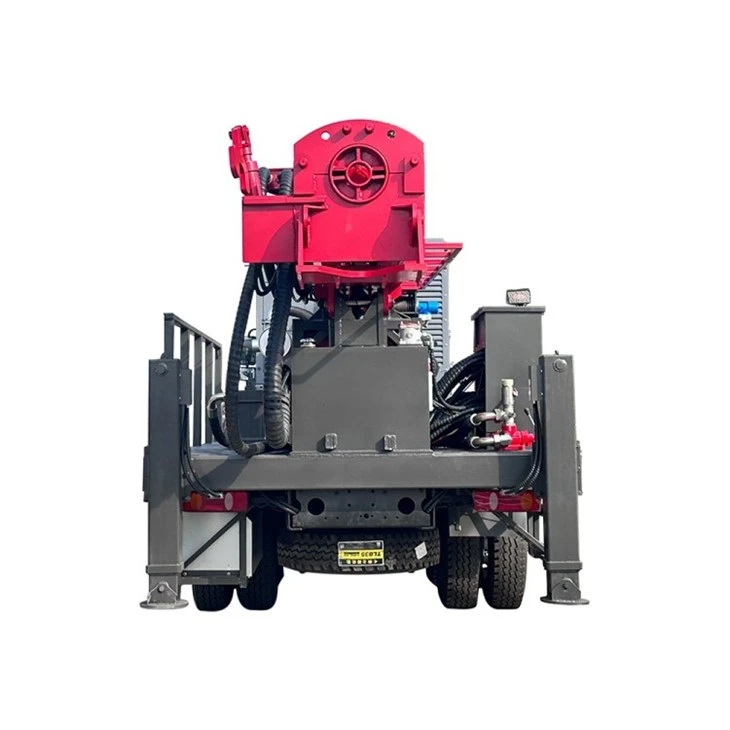
Before you even start the engine of your truck drilling rig, there are a bunch of checks you need to do. First off, take a good look at the rig itself. Check all the hydraulic hoses for any signs of wear, cracks, or leaks. A small leak in a hydraulic hose can lead to big problems, like loss of control over the drilling equipment. You don't want that happening when you're in the middle of a job.
Inspect the drilling tools too. Make sure the drill bits are in good condition. A dull or damaged drill bit can not only slow down the drilling process but also cause the rig to work harder than it should, which might lead to mechanical failures. Also, check the connections between the drill rods. Loose connections can result in the rods coming apart during drilling, which is extremely dangerous.
The truck part of the rig isn't to be ignored either. Check the tires for proper inflation and any signs of damage. Faulty tires can cause the truck to lose stability, especially when it's carrying the heavy load of the drilling equipment. And don't forget to check the brakes, steering, and lights. You need to be able to drive the truck safely to and from the drilling site.
Personal Protective Equipment (PPE)
Wearing the right PPE is non - negotiable when operating a truck drilling water well. First, a hard hat is a must. It protects your head from falling objects, like drill cuttings or parts of the rig that might come loose. Safety glasses are also essential. They shield your eyes from dust, debris, and any flying particles that are common during the drilling process.
Ear protection is another important piece of PPE. Drilling rigs are noisy, and prolonged exposure to that noise can cause hearing damage. So, wear earplugs or earmuffs to keep your ears safe. Gloves are necessary too. They protect your hands from cuts, abrasions, and chemicals that you might come into contact with, like drilling fluids.
Finally, wear steel - toed boots. They protect your feet from heavy objects that could be dropped on them and also provide good traction on the often - slippery drilling site.
Drilling Site Safety
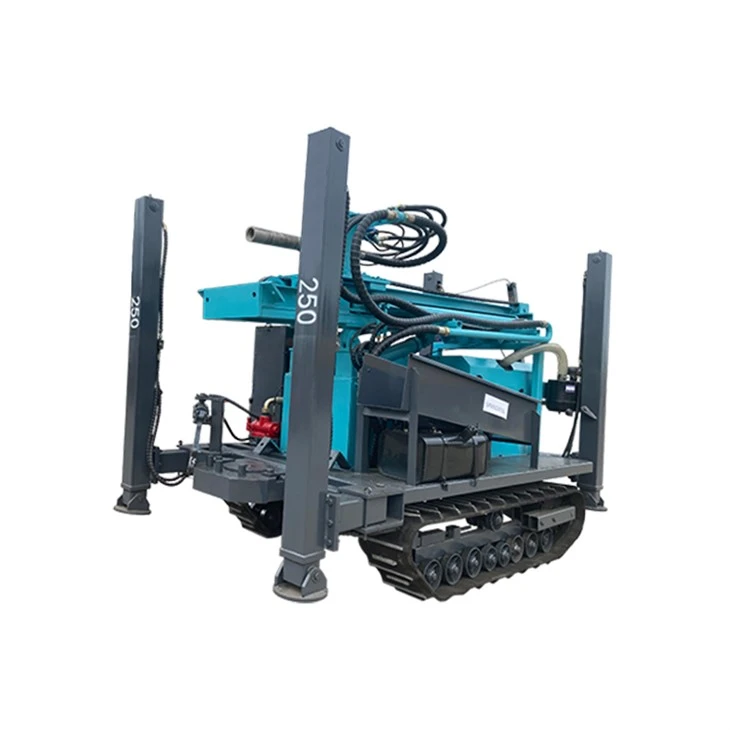
The drilling site needs to be set up properly to ensure safety. First, choose a stable and level ground for the rig. Uneven ground can cause the rig to tip over, which is a major safety hazard. Mark the boundaries of the drilling area clearly. This helps to keep unauthorized people away from the dangerous zone.
Keep the area around the rig clean and free of clutter. Tools and equipment lying around can cause tripping hazards. Also, make sure there are clear paths for emergency exits. In case of an accident, you need to be able to get out of the area quickly.
If there are any underground utilities in the area, locate them before you start drilling. Hitting a gas line, water pipe, or electrical cable can have disastrous consequences. You can use utility locator services to find out the exact location of these utilities.
Operating the Drilling Rig
When operating the rig, always follow the manufacturer's instructions. Don't try to take shortcuts or operate the rig in a way that it's not designed for. For example, don't overload the rig. Each rig has a maximum capacity, and exceeding it can lead to mechanical failures and accidents.
Monitor the drilling process closely. Pay attention to the pressure gauges, temperature sensors, and other indicators on the control panel. If you notice any abnormal readings, stop the drilling immediately and investigate the problem.
Be careful when handling the drill rods. Use the proper lifting equipment to move them around. Don't try to lift heavy drill rods by hand, as this can cause back injuries. And when adding or removing drill rods, make sure the rig is stable and the power is off.
Maintenance and Inspection
Regular maintenance and inspection of the rig are crucial for safety. Follow a maintenance schedule recommended by the manufacturer. This includes changing the oil, filters, and lubricating the moving parts. A well - maintained rig is less likely to break down during operation.
Inspect the rig after each use. Look for any signs of wear, damage, or leaks that might have occurred during the drilling process. Fix any issues immediately. Delaying repairs can lead to more serious problems down the line.
Emergency Preparedness
Have an emergency plan in place. This should include procedures for dealing with fires, spills, and other accidents. Make sure all the operators are familiar with the emergency plan.
Keep fire extinguishers and first - aid kits readily available at the drilling site. Know how to use them properly. In case of a fire, you need to be able to put it out quickly before it spreads. And in case of an injury, having a first - aid kit and knowing how to use it can save a life.
Our Products
We offer a variety of high - quality water well drilling rigs, such as the Rotary Water Well Drilling Rig, reverse circulation water well drilling rig, and water well drilling rigs. These rigs are designed with safety and efficiency in mind, and they come with all the necessary features to ensure a smooth and safe drilling operation.
If you're in the market for a truck drilling water well rig, we'd love to have a chat with you. Whether you're a small - scale contractor or a large - scale drilling company, we can provide you with the right equipment for your needs. Contact us for more information and let's start a discussion about your drilling requirements.
References
- General safety guidelines for heavy equipment operation.
- Manufacturer's manuals for truck drilling water well rigs.
- Occupational Safety and Health Administration (OSHA) standards for drilling operations.