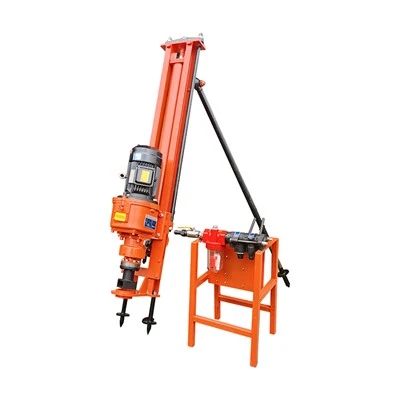
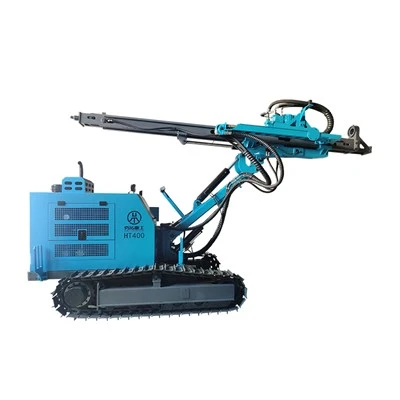
In the realm of mining, construction, and various industrial applications, rock drilling equipment plays a pivotal role. These machines are designed to penetrate hard rock surfaces, enabling the extraction of minerals, the creation of foundations, and the execution of numerous other essential tasks. However, operating such powerful and potentially dangerous equipment comes with inherent risks. That's where safety devices come into play. As a trusted rock drilling equipment supplier, we understand the paramount importance of safety and are committed to providing our customers with high - quality equipment equipped with state - of - the - art safety features.
1. Pressure Relief Valves
One of the most fundamental safety devices on rock drilling equipment is the pressure relief valve. In pneumatic and hydraulic systems commonly found in rock drills, high - pressure fluids are used to power the drilling mechanism. If the pressure in these systems exceeds the safe operating limit, it can lead to catastrophic failures, such as hose bursts or component damage. Pressure relief valves act as a safeguard by automatically releasing excess pressure when it reaches a pre - set threshold. This not only protects the equipment from damage but also reduces the risk of injury to operators. For example, in our pneumatic air leg rock drill, the pressure relief valve ensures that the air pressure remains within a safe range during operation, preventing any potential over - pressurization incidents.
2. Emergency Stop Buttons
Emergency stop buttons are another crucial safety feature on rock drilling equipment. Operators need to have the ability to quickly halt the operation of the drill in case of an emergency. These large, easily accessible buttons are strategically placed on the equipment's control panel or within reach of the operator. When pressed, the emergency stop button immediately cuts off the power supply to the drill, bringing all moving parts to a halt. This can prevent serious accidents, such as collisions, entanglement, or other hazardous situations. Whether it's a small down - the - hole drilling rig or a large - scale Integrated Open - pit Down - the - hole Drill Rig, our equipment is equipped with highly visible and responsive emergency stop buttons to ensure the safety of operators.
3. Protective Guards
Protective guards are essential for shielding operators from moving parts and flying debris. On rock drilling equipment, various components such as belts, pulleys, gears, and drill bits are in constant motion during operation. Without proper protection, operators are at risk of getting their clothing, hair, or body parts caught in these moving elements. Protective guards are made of sturdy materials like metal or high - strength plastic and are designed to cover these dangerous areas. They are also engineered to be durable enough to withstand the harsh working conditions of rock drilling sites. For instance, in our small down the hole drilling equipment, the guards are designed to prevent any accidental contact with the rotating drill bit and other moving parts, reducing the likelihood of serious injuries.
4. Vibration Dampening Systems
Rock drilling is a highly vibratory process, and prolonged exposure to high - level vibrations can cause a range of health problems for operators, including hand - arm vibration syndrome (HAVS). To mitigate this risk, our rock drilling equipment is equipped with vibration dampening systems. These systems use various techniques, such as rubber mounts, shock absorbers, and advanced engineering designs, to reduce the amount of vibration transferred from the drill to the operator's hands and body. By minimizing vibration, we not only protect the health of our customers but also improve their comfort and productivity during long - term operation.
5. Dust Collection Systems
Drilling into rock generates a significant amount of dust, which can be harmful to the respiratory system of operators if inhaled. Dust collection systems are installed on our rock drilling equipment to capture and remove the dust at the source. These systems typically consist of a dust collector unit, hoses, and suction nozzles. The dust collector uses filters to trap the dust particles, preventing them from being released into the air. This not only protects the health of the operators but also helps to maintain a clean and safe working environment. In addition, a well - functioning dust collection system can also improve the visibility around the drilling area, reducing the risk of accidents caused by poor visibility.
6. Automatic Shut - off Sensors
Automatic shut - off sensors are designed to detect abnormal operating conditions and automatically stop the drill to prevent damage or accidents. For example, sensors can monitor parameters such as temperature, pressure, and drill bit wear. If the temperature of the drill motor exceeds a safe limit, the sensor will trigger an automatic shut - off to prevent overheating and potential fire hazards. Similarly, if the drill bit is worn beyond a certain point, the sensor can detect this and stop the drill to avoid further damage to the equipment and ensure the quality of the drilling operation. These sensors add an extra layer of safety and reliability to our rock drilling equipment.
7. Safety Interlocks
Safety interlocks are mechanisms that prevent the drill from operating unless certain safety conditions are met. For example, a safety interlock may be installed to ensure that the drill cannot be started unless the protective guards are properly in place. This ensures that operators do not bypass the safety features of the equipment, reducing the risk of injury. Safety interlocks can also be used to prevent the drill from operating if the equipment is not properly positioned or if there are other potential safety hazards present.
8. Lighting Systems
Good visibility is crucial for safe operation, especially in dimly lit or underground drilling environments. Our rock drilling equipment is equipped with high - quality lighting systems to illuminate the drilling area. These lights are strategically placed to provide uniform and bright lighting, allowing operators to clearly see the drill bit, the rock surface, and any potential hazards. Whether it's a small - scale drilling project or a large - scale open - pit mining operation, proper lighting can significantly reduce the risk of accidents caused by poor visibility.


Importance of Safety Devices in Rock Drilling
The presence of these safety devices on our rock drilling equipment is not just a matter of compliance with safety regulations; it is a commitment to the well - being of our customers. By investing in high - quality safety features, we ensure that our equipment is not only efficient and productive but also safe to operate. Safety devices reduce the risk of accidents, protect the health of operators, and minimize the potential for costly equipment damage. In addition, a safe working environment can also improve employee morale and productivity, leading to better overall business performance.
Contact Us for Safe and Reliable Rock Drilling Equipment
If you are in the market for rock drilling equipment, we invite you to consider our products. As a leading rock drilling equipment supplier, we are dedicated to providing you with the highest quality equipment equipped with the latest safety features. Our team of experts is always ready to assist you in choosing the right equipment for your specific needs and to answer any questions you may have about safety and operation. Contact us today to start a discussion about your rock drilling requirements and let us help you find the perfect solution for your project.
References
- OSHA (Occupational Safety and Health Administration) guidelines on rock drilling equipment safety.
- Industry standards and best practices for rock drilling equipment manufacturing.
- Research studies on the impact of vibration and dust on rock drilling operators' health.