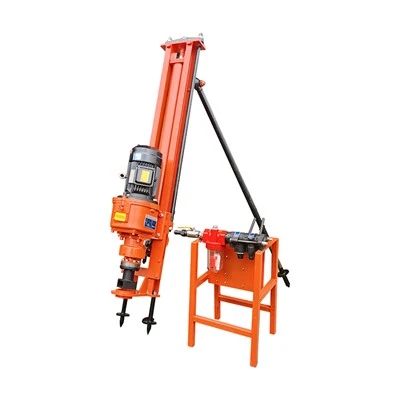
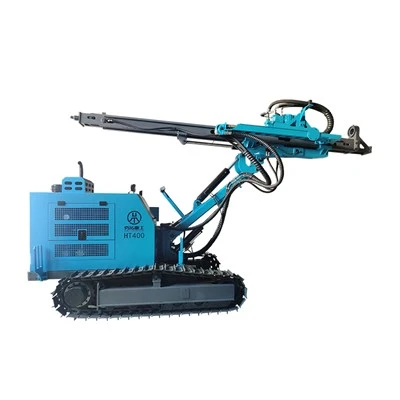
Hey there! As a supplier of pneumatic rock drilling rigs, I've seen firsthand the wide range of models available in the market. In this blog, I'm gonna break down the different types of pneumatic rock drilling rigs, their features, and where they're best used. So, let's dive right in!
1. Portable Pneumatic Rock Drills
Portable pneumatic rock drills are like the Swiss Army knives of the drilling world. They're small, lightweight, and super easy to move around. These drills are powered by compressed air, which makes them a great option for jobs where electricity might not be available or where you need to drill in tight spaces.
One of the key advantages of portable pneumatic rock drills is their versatility. You can use them for all sorts of tasks, from drilling small holes for anchors in construction projects to prospecting for minerals in mining operations. They're also relatively inexpensive compared to larger drilling rigs, which makes them a popular choice for small businesses and DIY enthusiasts.
For those looking for a compact option, you might want to check out the mini pneumatic drill. It's designed to be easy to handle and can get the job done in a variety of rock conditions.
2. Small Down - the - Hole (DTH) Drilling Rigs
Small down - the - hole drilling rigs are another type of pneumatic rock drilling equipment. These rigs are designed to drill straight, deep holes in rock formations. The way they work is pretty cool: a pneumatic hammer is placed at the bottom of the drill string, and it delivers high - energy blows to the rock, breaking it up as the drill bit rotates.
The small down the hole drilling rigs are great for applications like geothermal well drilling, water well drilling in hard rock areas, and small - scale mining operations. They're more powerful than portable drills and can drill deeper holes, but they're still relatively small and easy to transport.
One of the benefits of small DTH drilling rigs is their efficiency. They can drill through hard rock faster than some other types of drills, which saves time and money on the job. They also produce less dust compared to some other drilling methods, which is better for the environment and the health of the workers.
3. Medium - Sized Pneumatic Rock Drilling Rigs
Medium - sized pneumatic rock drilling rigs are a step up in terms of power and capabilities. These rigs are often used in medium - scale construction projects, such as building foundations and road construction. They can drill larger diameter holes and to greater depths than small rigs.
These rigs usually come with more advanced features, like automated drilling controls and better dust collection systems. They're also more stable and can handle tougher rock conditions. However, they're a bit more expensive to purchase and operate compared to smaller rigs, so they're typically used by larger construction companies and mining operations.
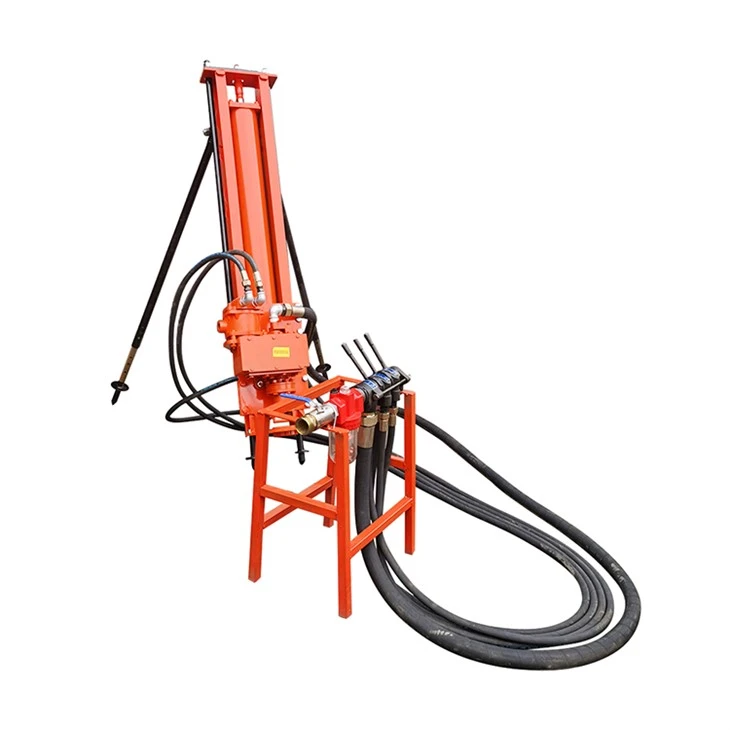

Medium - sized rigs are designed to be durable and reliable. They can work long hours in harsh environments without breaking down, which is crucial for keeping projects on schedule.
4. Large - Scale Integrated Open - pit Down - the - Hole Drill Rigs
When it comes to large - scale mining and quarrying operations, Integrated Open - pit Down - the - hole Drill Rig is the way to go. These rigs are massive and can drill extremely deep and large - diameter holes in open - pit mines.
These drill rigs are fully integrated systems that come with everything you need for efficient drilling, including a powerful compressor, a drill mast, and advanced control systems. They can work continuously for long periods of time, making them ideal for large - scale projects where a high volume of drilling is required.
One of the main advantages of these large - scale rigs is their productivity. They can drill multiple holes in a short amount of time, which helps to increase the overall efficiency of the mining or quarrying operation. They also have features that improve safety, such as automatic rod handling systems that reduce the need for manual labor.
Factors to Consider When Choosing a Pneumatic Rock Drilling Rig
Now that you know about the different types of pneumatic rock drilling rigs, how do you choose the right one for your project? Here are some factors to consider:
Rock Type
The type of rock you'll be drilling through is crucial. Soft rocks like limestone or shale can be drilled with less powerful rigs, while hard rocks like granite or basalt require more powerful equipment.
Hole Size and Depth
The size and depth of the holes you need to drill will also determine the type of rig you need. Smaller holes can usually be drilled with portable or small DTH rigs, while larger and deeper holes require medium - sized or large - scale rigs.
Mobility
If you need to move the rig from one location to another frequently, a portable or small rig might be a better choice. On the other hand, if the rig will be used in a fixed location for a long - term project, a larger, more stationary rig could be more suitable.
Budget
Your budget is an important factor. Portable drills are generally the most affordable option, while large - scale integrated rigs can be very expensive. You need to balance your budget with the requirements of your project.
Conclusion
As you can see, there's a wide variety of pneumatic rock drilling rigs available in the market, each with its own unique features and applications. Whether you're a small business owner looking for an affordable and versatile drill or a large mining company in need of a high - powered rig, there's a solution out there for you.
If you're interested in learning more about our pneumatic rock drilling rigs or have any questions about which model is right for your project, don't hesitate to reach out. We're here to help you make the best choice and get the job done efficiently and safely.
References
- General knowledge from years of experience in the pneumatic rock drilling rig industry.
- Technical specifications and product information provided by manufacturers of pneumatic rock drilling rigs.