Hey there! As a supplier of screw air compressors, I often get asked about the differences between single - stage and two - stage screw air compressors. So, I thought I'd write this blog to break it all down for you.
Let's start with the basics. A screw air compressor is a type of positive - displacement compressor. It uses two meshing helical screws, known as rotors, to compress the air. This technology is widely used in various industries because of its reliability and efficiency.
Single - Stage Screw Air Compressors
Single - stage screw air compressors are pretty straightforward. In these compressors, the air goes through just one compression stage. The air gets sucked in through the inlet valve and then is compressed between the rotors and the compressor housing. Once it reaches the desired pressure, it's discharged out.
One of the biggest advantages of single - stage compressors is their simplicity. They have fewer parts compared to two - stage compressors, which means less maintenance. This simplicity also makes them more affordable upfront. If you're on a tight budget, a single - stage compressor might be the way to go.
Another plus is their compact size. They don't take up as much space as two - stage compressors, so they're great for small workshops or places where space is limited. For example, if you have a small auto repair shop, a single - stage compressor can easily fit into a corner and still do the job.
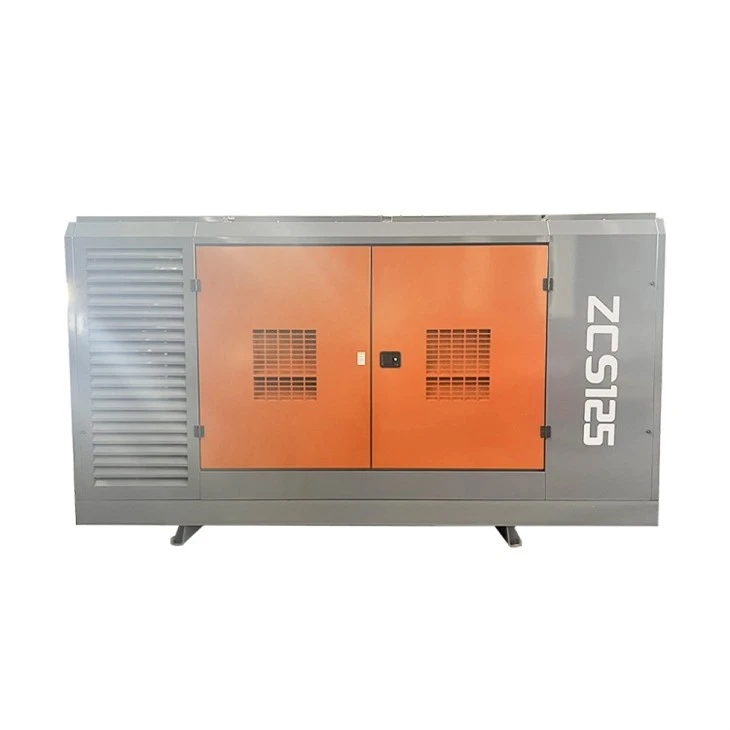
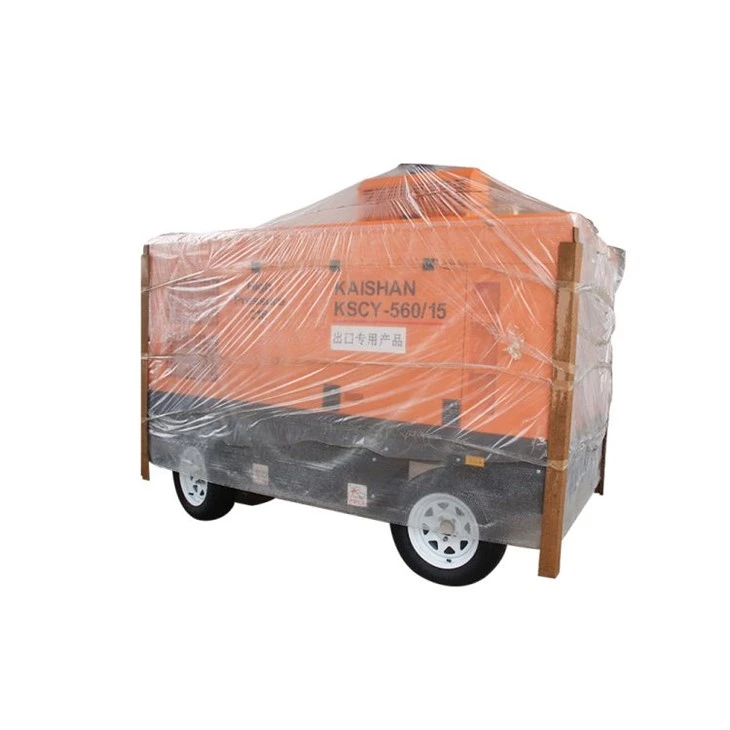
However, single - stage compressors do have some drawbacks. They're not as efficient when it comes to high - pressure applications. Since the air is compressed in one go, the temperature rises quickly. High temperatures can lead to increased wear and tear on the compressor components and can also reduce the overall efficiency of the compressor. Also, they're not the best choice for continuous, heavy - duty use. If you need to run your compressor for long periods without breaks, a single - stage compressor might overheat and break down.
If you're interested in a single - stage option, check out our Mobile Screw Air Compressor. It's a great choice for those who need a portable and cost - effective solution.
Two - Stage Screw Air Compressors
Now, let's talk about two - stage screw air compressors. In these compressors, the air goes through two compression stages. First, the air is compressed in the first stage to an intermediate pressure. Then, it's cooled in an intercooler to reduce the temperature. After that, it goes into the second stage where it's compressed further to the final pressure.
The main advantage of two - stage compressors is their efficiency. By cooling the air between the two stages, the compressor can operate at a lower temperature. This not only reduces wear and tear on the components but also improves the overall energy efficiency. Two - stage compressors can save you a lot of money on energy bills in the long run, especially if you have a high - demand application.
They're also better suited for continuous, heavy - duty use. Since they can handle the heat better, they can run for longer periods without overheating. This makes them a popular choice in industries like manufacturing, mining, and construction. For instance, in a mining operation, a two - stage compressor can continuously supply compressed air for drilling and other equipment.
However, two - stage compressors are more complex and expensive. They have more parts, including the intercooler, which means more maintenance. You'll need to regularly check and clean the intercooler to ensure it's working properly. And because of their complexity, they usually cost more upfront than single - stage compressors.
If you're looking for a high - performance two - stage option, take a look at our Industrial Rotary Screw Air Compressor. It's designed for heavy - duty industrial applications.
Performance Comparison
When it comes to performance, there are a few key factors to consider.
Pressure
Single - stage compressors are typically limited to lower pressures, usually up to around 125 - 150 psi. If you need higher pressures, say for applications like sandblasting or operating high - pressure pneumatic tools, a two - stage compressor is the better choice. Two - stage compressors can easily reach pressures of 175 psi or more.
Flow Rate
The flow rate, measured in cubic feet per minute (CFM), is also important. Single - stage compressors can provide a decent flow rate for small to medium - sized applications. But if you have a large - scale operation that requires a high volume of compressed air, a two - stage compressor will be able to deliver a higher flow rate more consistently.
Energy Efficiency
As mentioned earlier, two - stage compressors are more energy - efficient. The intercooling process reduces the work required in the second stage, which means less energy is used overall. Single - stage compressors, on the other hand, use more energy to achieve the same pressure, especially at higher pressures.
Cost Considerations
Cost is always a major factor when choosing a compressor.
Initial Cost
Single - stage compressors are generally cheaper to buy. You can get a basic single - stage compressor for a relatively low price, which is great for small businesses or those just starting out. Two - stage compressors, with their more complex design and additional components, come with a higher price tag.
Operating Cost
In the long run, two - stage compressors can be more cost - effective. Their energy efficiency means lower electricity bills. And although they require more maintenance, the reduced wear and tear on the components can lead to fewer repairs and a longer lifespan. Single - stage compressors may have lower upfront costs, but their higher energy consumption and potential for more frequent breakdowns can add up over time.
If you're looking for a high - efficiency option that can save you money in the long run, check out our high efficiency screw compressor.
Which One Should You Choose?
The choice between a single - stage and a two - stage screw air compressor depends on your specific needs.
If you have a small - scale operation, a limited budget, and don't need high pressures or continuous operation, a single - stage compressor is a good option. It's simple, affordable, and easy to maintain.
On the other hand, if you have a large - scale industrial operation, need high pressures, and require continuous, heavy - duty use, a two - stage compressor is the way to go. It may cost more upfront, but the energy savings and long - term reliability make it worth the investment.
If you're still not sure which compressor is right for you, don't hesitate to reach out. We're here to help you make the best decision for your business. Whether you're a small workshop owner or a large - scale industrial operator, we have the expertise and the products to meet your needs. Let's start a conversation about your requirements and find the perfect screw air compressor for you.
References
- Compressed Air and Gas Institute (CAGI). Technical standards and guidelines for screw air compressors.
- Manufacturers' product manuals and technical specifications for single - stage and two - stage screw air compressors.