As a seasoned supplier of piston compressors, I've witnessed firsthand the diverse needs of our customers across various industries. Piston compressors are renowned for their reliability, efficiency, and versatility, making them a popular choice for a wide range of applications. One of the key advantages of piston compressors is the extensive customization options available, allowing us to tailor these machines to meet the specific requirements of each customer. In this blog post, I'll explore the various customization options for piston compressors and how they can enhance the performance and functionality of these essential industrial tools.
Compressor Capacity and Pressure Rating
One of the primary customization options for piston compressors is the capacity and pressure rating. Compressor capacity refers to the volume of air or gas that the compressor can deliver per unit of time, typically measured in cubic feet per minute (CFM) or liters per minute (LPM). The pressure rating, on the other hand, indicates the maximum pressure that the compressor can generate, usually measured in pounds per square inch (PSI) or bar.
Depending on the application, customers may require a piston compressor with a specific capacity and pressure rating. For example, small-scale workshops or DIY enthusiasts may only need a compressor with a low capacity and pressure rating, such as 5-10 CFM and 90-125 PSI, for tasks like inflating tires, operating pneumatic tools, or powering small airbrushes. On the other hand, industrial applications such as manufacturing, construction, and mining often demand high-capacity compressors with pressure ratings of 150 PSI or more to power heavy-duty pneumatic equipment and machinery.
As a supplier, we offer a wide range of piston compressors with different capacity and pressure ratings to meet the diverse needs of our customers. We can also customize the compressor's capacity and pressure rating by adjusting the size of the cylinders, the number of compression stages, and the speed of the motor. This allows us to provide a compressor that is precisely tailored to the specific requirements of each application, ensuring optimal performance and efficiency.
Power Source
Another important customization option for piston compressors is the power source. Piston compressors can be powered by various sources, including electric motors, gasoline engines, diesel engines, and even natural gas engines. The choice of power source depends on several factors, such as the availability of power, the location of the compressor, and the specific requirements of the application.
Electric-powered piston compressors are the most common type of compressor used in industrial and commercial settings. They are clean, quiet, and easy to operate, making them ideal for indoor applications where noise and emissions are a concern. Electric compressors are also more energy-efficient than gasoline or diesel-powered compressors, which can result in significant cost savings over the long term.
Gasoline and diesel-powered piston compressors are typically used in outdoor applications where access to electricity is limited or unavailable. These compressors are portable and can be easily transported to remote job sites, making them ideal for construction, mining, and agricultural applications. Gasoline compressors are generally less expensive than diesel compressors, but they are also less fuel-efficient and produce more emissions. Diesel compressors, on the other hand, are more fuel-efficient and have a longer lifespan, but they are also more expensive and require regular maintenance.
As a supplier, we offer piston compressors powered by a variety of power sources to meet the diverse needs of our customers. We can also customize the compressor's power source by installing a different motor or engine, depending on the specific requirements of the application. This allows us to provide a compressor that is not only tailored to the customer's power needs but also to the specific conditions of the job site.
Cooling System
The cooling system is another critical component of a piston compressor, as it helps to maintain the compressor's temperature within a safe operating range. Piston compressors generate a significant amount of heat during the compression process, which can cause the compressor to overheat and damage the internal components. To prevent this from happening, piston compressors are equipped with a cooling system that removes the heat from the compressor and dissipates it into the surrounding environment.
There are two main types of cooling systems used in piston compressors: air-cooled and water-cooled. Air-cooled compressors use a fan to blow air over the compressor's cylinders and heat exchanger, which helps to dissipate the heat. Air-cooled compressors are simple, reliable, and easy to maintain, making them a popular choice for small to medium-sized compressors.
Water-cooled compressors, on the other hand, use a water jacket to circulate water around the compressor's cylinders and heat exchanger, which helps to remove the heat more efficiently. Water-cooled compressors are more effective at cooling the compressor than air-cooled compressors, which allows them to operate at higher temperatures and pressures. However, water-cooled compressors are also more complex and expensive to install and maintain, and they require a constant supply of water to operate.
As a supplier, we offer piston compressors with both air-cooled and water-cooled systems to meet the diverse needs of our customers. We can also customize the cooling system by installing a different type of fan or water pump, or by adding additional cooling fins or heat exchangers to improve the compressor's cooling efficiency. This allows us to provide a compressor that is optimized for the specific operating conditions of each application, ensuring reliable performance and long-term durability.
Control System
The control system is another important customization option for piston compressors, as it allows the user to monitor and adjust the compressor's operation to meet the specific requirements of the application. Piston compressors can be equipped with a variety of control systems, ranging from simple on/off switches to sophisticated electronic controls that can monitor and adjust the compressor's pressure, temperature, and other operating parameters in real-time.
Simple on/off switches are the most basic type of control system used in piston compressors. These switches allow the user to turn the compressor on and off manually, but they do not provide any feedback or control over the compressor's operation. On/off switches are typically used in small to medium-sized compressors that are used for simple applications, such as inflating tires or powering small pneumatic tools.
More advanced control systems, such as electronic controls, offer greater flexibility and precision in controlling the compressor's operation. Electronic controls can monitor and adjust the compressor's pressure, temperature, and other operating parameters in real-time, which helps to optimize the compressor's performance and efficiency. Electronic controls can also provide diagnostic information and alerts to the user, which helps to identify and troubleshoot any issues with the compressor before they become serious problems.
As a supplier, we offer piston compressors with a variety of control systems to meet the diverse needs of our customers. We can also customize the control system by adding additional sensors, switches, and relays to the compressor, or by programming the electronic control system to meet the specific requirements of the application. This allows us to provide a compressor that is not only easy to operate but also optimized for the specific needs of each customer.
Accessories and Attachments
In addition to the above customization options, we also offer a wide range of accessories and attachments for piston compressors that can enhance their performance and functionality. Some of the most common accessories and attachments include air filters, oil filters, moisture separators, pressure regulators, and gauges.
Air filters are used to remove dust, dirt, and other contaminants from the air before it enters the compressor. This helps to protect the compressor's internal components from damage and extends the lifespan of the compressor. Oil filters are used to remove impurities from the compressor's lubricating oil, which helps to maintain the oil's viscosity and prevent it from breaking down. Moisture separators are used to remove moisture from the compressed air, which helps to prevent corrosion and damage to the pneumatic equipment and machinery.
Pressure regulators are used to control the pressure of the compressed air output by the compressor. This allows the user to adjust the pressure to the specific requirements of the application, ensuring optimal performance and safety. Gauges are used to monitor the pressure, temperature, and other operating parameters of the compressor, which helps the user to ensure that the compressor is operating within its safe and efficient range.
As a supplier, we offer a wide range of accessories and attachments for piston compressors to meet the diverse needs of our customers. We can also customize the compressor by adding additional accessories and attachments, such as aftercoolers, dryers, and storage tanks, to improve the compressor's performance and functionality. This allows us to provide a complete compressed air system that is tailored to the specific requirements of each application, ensuring optimal performance and efficiency.
Conclusion
In conclusion, piston compressors offer a wide range of customization options that allow us to tailor these machines to meet the specific requirements of each customer. From compressor capacity and pressure rating to power source, cooling system, control system, and accessories, we can customize every aspect of the compressor to ensure optimal performance and efficiency. As a supplier, we are committed to providing our customers with high-quality piston compressors that are not only reliable and durable but also precisely tailored to their specific needs.
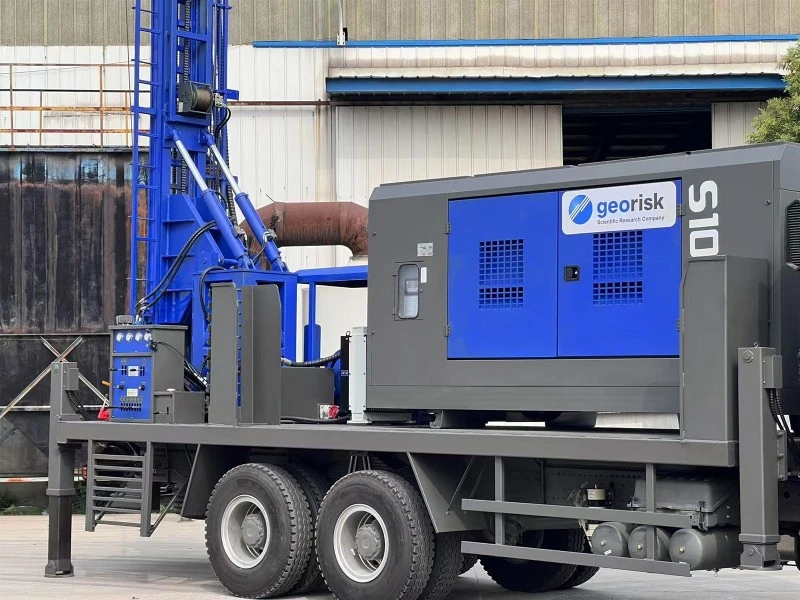

If you are in the market for a piston compressor, we encourage you to contact us to discuss your specific requirements. Our team of experts will work with you to understand your needs and recommend the best compressor solution for your application. We also offer a wide range of Small Mobile Piston Air Compressor that are perfect for small-scale applications and on-the-go use. Whether you need a compressor for a small workshop, a construction site, or a remote job site, we have the expertise and experience to provide you with a compressor that is optimized for your specific needs.
Contact us today to learn more about our piston compressors and how we can customize them to meet your specific requirements. We look forward to working with you to provide the best compressed air solution for your business.
References
- Compressed Air and Gas Institute (CAGI). Piston Compressor Handbook.
- ASME PTC 9-2004. Performance Test Code on Compressors and Exhausters.
- ISO 1217:2019. Displacement Compressors - Acceptance Tests.