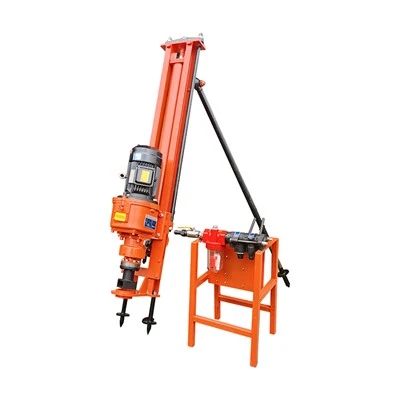
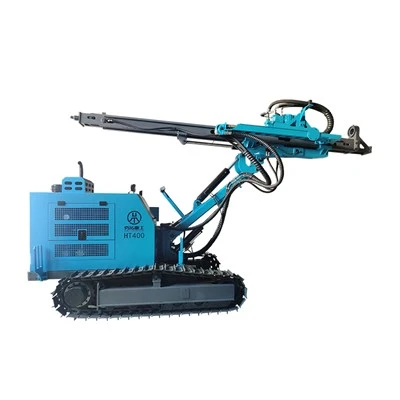
Transporting a hand rock drill safely is crucial to ensure its functionality and the well - being of those involved in the process. As a hand rock drill supplier, I understand the importance of proper transportation methods. In this blog, I will share some essential tips and guidelines on how to transport a hand rock drill safely.
Pre - transport Preparation
Before you even start thinking about moving the hand rock drill, a thorough inspection is necessary. Check the drill for any visible damage, loose parts, or signs of wear. Tighten all the bolts and nuts to prevent them from coming loose during transit. For example, if the chuck that holds the drill bit is loose, it could cause further damage to the drill or pose a safety risk.
Clean the hand rock drill. Remove any dirt, debris, or dust that has accumulated on the drill. This not only helps in better maintenance but also allows for a more accurate inspection. A dirty drill can hide potential problems, and cleaning it gives you a clear view of its condition.
If your hand rock drill is of a type that requires lubrication, make sure it has the right amount of lubricant. This is especially important for mini pneumatic drill and pneumatic air leg rock drill. Adequate lubrication reduces friction and wear during operation and also helps protect the internal components during transportation.
Choosing the Right Packaging
Selecting appropriate packaging is a key step in safe transportation. For smaller hand - held rock drills like hand held rock drilling equipment, a sturdy plastic or metal case can be a great option. These cases are designed to protect the drill from impacts, scratches, and dust.
For larger models, a custom - made wooden crate might be necessary. The crate should be well - constructed with strong sides and a secure lid. It should be large enough to accommodate the drill with some extra space for padding. Padding materials such as foam, bubble wrap, or packing peanuts can be used to cushion the drill and prevent it from moving around inside the crate.
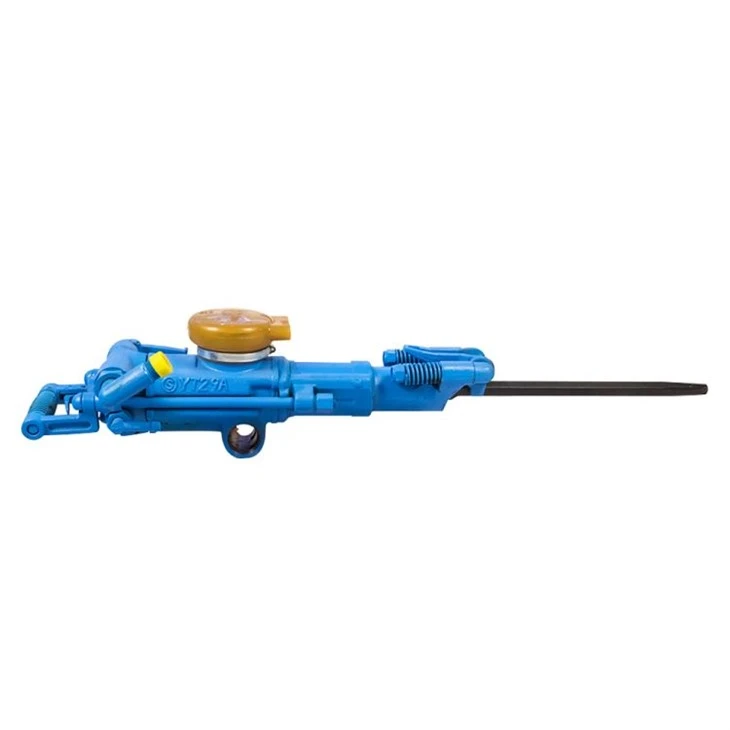
Label the packaging clearly. Mark it as "Fragile" and include information about the contents, such as "Hand Rock Drill" and any special handling instructions. This helps the handlers understand the nature of the package and take appropriate care.
Securing the Hand Rock Drill
Once the drill is in its packaging, it's essential to secure it properly. If you're transporting the drill in a vehicle, use straps or ropes to tie it down. Make sure the packaging is firmly attached to the vehicle's floor or a fixed structure to prevent it from sliding or shifting during transit.
For air or sea transportation, follow the carrier's specific guidelines for securing cargo. They may require additional restraints or specific types of packaging. In some cases, the carrier may provide their own securing materials or assistance.
Transportation Mode Considerations
Road Transportation
When transporting by road, consider the condition of the roads. Avoid rough or bumpy roads as much as possible. If you have to travel on such roads, drive slowly and carefully to minimize the impact on the drill.

Keep the vehicle well - maintained. Check the tires, brakes, and suspension before starting the journey. A vehicle in poor condition can cause excessive vibrations, which can damage the hand rock drill.
Air Transportation
For air transportation, make sure the hand rock drill complies with the airline's regulations. Some airlines may have restrictions on transporting tools or equipment, especially those with certain types of power sources. You may need to provide documentation about the drill, such as its specifications and safety features.
The drill should be packed in accordance with the airline's requirements for hazardous or non - hazardous goods. If the drill uses compressed air or other potentially dangerous substances, it must be properly labeled and packaged to meet safety standards.
Sea Transportation
In sea transportation, the drill is exposed to different environmental conditions, including humidity and saltwater. Use a waterproof and corrosion - resistant packaging. Consider using desiccants inside the packaging to absorb moisture and prevent rusting.
The drill should be stowed in a secure location on the ship. It should be protected from other cargo that could potentially damage it. Make sure the storage area is well - ventilated to prevent the build - up of moisture.
Handling During Transportation
During loading and unloading, use proper lifting equipment. Avoid lifting the hand rock drill manually if it's too heavy. Forklifts, hoists, or other mechanical lifting devices can be used to move the drill safely.
Train the handlers on how to handle the drill properly. They should be aware of its weight, balance, and any sensitive components. Improper handling can lead to damage to the drill or injuries to the handlers.
Post - transport Inspection
Once the hand rock drill reaches its destination, conduct another inspection. Check for any signs of damage that may have occurred during transportation. Look for loose parts, dents, or any other visible issues.
Test the drill to ensure it is still in working condition. If it's a pneumatic drill, connect it to the air supply and check for proper air flow and operation. If there are any problems, contact the supplier or a professional technician for repairs.
Conclusion
Transporting a hand rock drill safely requires careful planning, proper packaging, and appropriate handling. By following the steps outlined in this blog, you can minimize the risk of damage to the drill and ensure its safe arrival at the destination.
As a hand rock drill supplier, I am committed to providing high - quality products and guidance on their safe use and transportation. If you are in the market for a hand rock drill or need more information on transportation or any other related topics, please feel free to contact me for procurement and further discussions.
References
- General safety guidelines for tool transportation from industry standards.
- Manufacturer's manuals for hand rock drills.