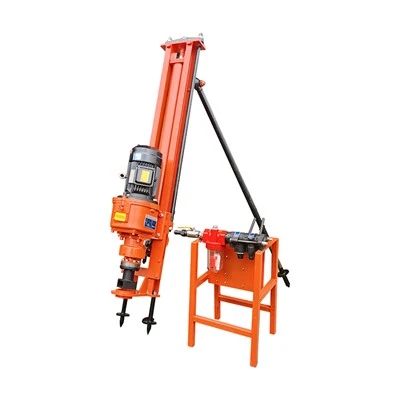
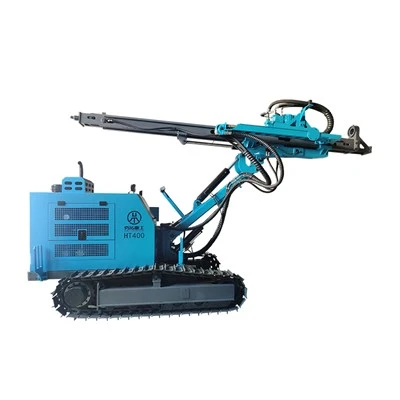
As a supplier of water well drilling rig trucks, I understand the critical importance of testing the performance of these machines before they are deployed in the field. A well - tested drilling rig truck ensures efficiency, reliability, and safety during the water well drilling process. In this blog, I'll share some key steps and methods on how to test the performance of a new water well drilling rig truck.
1. Pre - operational Checks
Before starting any performance tests, a thorough pre - operational check is essential. This includes a visual inspection of the entire rig truck. Check the overall structure of the truck for any signs of damage or loose parts. Examine the hydraulic hoses for leaks, cracks, or wear. Ensure that all the connections are tight and secure.
Inspect the drilling tools such as the drill bits, drill pipes, and casings. The drill bits should be sharp and in good condition, as a dull bit can significantly reduce drilling efficiency. The drill pipes should be straight and free from any internal or external damage.
Check the engine of the truck. Look at the oil level, coolant level, and fuel level. Make sure the battery is fully charged and the electrical system is functioning properly. Test the lights, horn, and other electrical components to ensure they are working as expected.
2. Mobility and Maneuverability Tests
The mobility of the water well drilling rig truck is crucial, as it needs to be transported to different drilling sites. Start by testing the truck's driving performance on different terrains. Drive the truck on flat roads, rough terrains, and slopes to evaluate its acceleration, braking, and steering capabilities.
Measure the turning radius of the truck. A smaller turning radius allows the rig to maneuver more easily in confined spaces, which is often a requirement at drilling sites. Test the truck's ability to climb slopes. The rig should be able to handle slopes with a certain gradient safely, depending on its design specifications.
3. Drilling Depth and Speed Tests
One of the most important performance indicators of a water well drilling rig truck is its drilling depth and speed. First, select a test site with appropriate geological conditions. It's recommended to choose a site with a known soil or rock formation to better evaluate the rig's performance.
Start the drilling process and record the time it takes to reach different depths. Compare the actual drilling speed with the manufacturer's specifications. If the drilling speed is significantly lower than expected, it could indicate problems with the drill bits, the power system, or the hydraulic system.
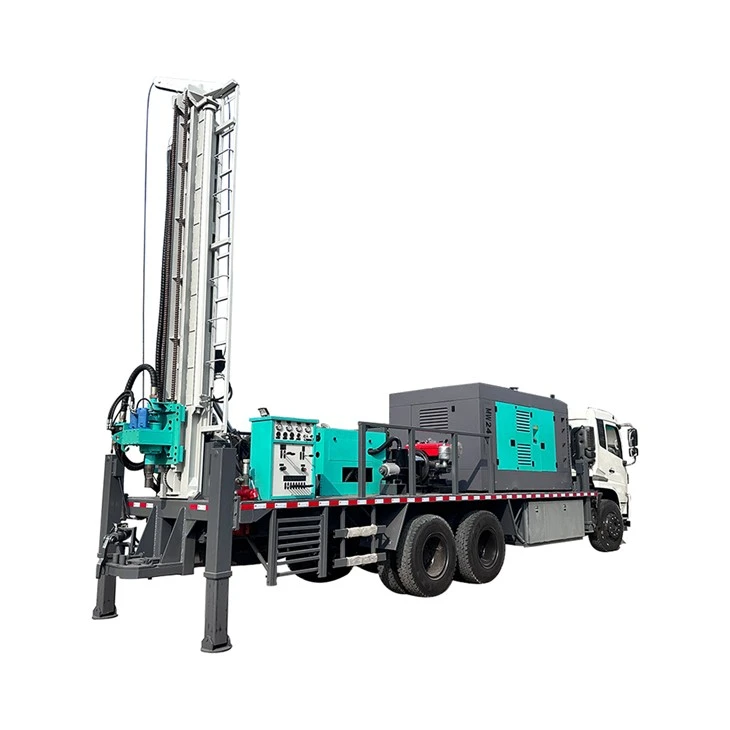
Measure the maximum drilling depth that the rig can achieve. This is crucial for determining the rig's suitability for different water well projects. During the drilling process, monitor the pressure and torque values. Abnormal pressure or torque readings may suggest issues such as blockages in the drill pipes or problems with the drilling mechanism.
4. Hydraulic System Tests
The hydraulic system is the heart of a water well drilling rig truck, as it powers many of the key components such as the drill head, the mast, and the feed system. Test the hydraulic pressure. Use a pressure gauge to measure the pressure at different points in the system. The pressure should be within the specified range.
Check the flow rate of the hydraulic fluid. An improper flow rate can lead to slow or erratic operation of the hydraulic components. Inspect the hydraulic pumps, valves, and cylinders for any signs of malfunction. Listen for any unusual noises coming from the hydraulic system, as this could indicate problems such as air in the lines or worn - out components.
5. Power System Tests
The power system of the rig truck provides the energy needed for drilling operations. If the rig is powered by a diesel engine, test its power output. Measure the engine's horsepower and torque under different loads. Check the engine's fuel consumption rate. A high fuel consumption rate may indicate inefficiencies in the engine or problems with the fuel injection system.
For electrically - powered rigs, test the electrical power supply. Measure the voltage and current at different points in the system. Ensure that the electrical components are properly insulated to prevent electrical hazards.
6. Safety System Tests
Safety is of utmost importance in water well drilling operations. Test the safety systems of the rig truck, including the emergency stop buttons, safety guards, and warning devices. Press the emergency stop buttons to ensure that they immediately halt all drilling operations.
Check the safety guards to make sure they are in place and properly secured. These guards protect operators from moving parts and flying debris. Test the warning devices such as alarms and lights. They should activate under the appropriate conditions, such as when the hydraulic pressure is too high or the engine temperature is abnormal.
7. Drilling Fluid Circulation Tests
Drilling fluid plays a vital role in the water well drilling process. It helps to cool the drill bits, carry the cuttings to the surface, and maintain the stability of the borehole. Test the drilling fluid circulation system. Check the pump's ability to circulate the fluid at the required flow rate and pressure.
Inspect the filters in the drilling fluid system. Clean or replace the filters if they are clogged, as this can affect the quality of the drilling fluid and the performance of the rig. Monitor the quality of the drilling fluid during the tests. The fluid should have the appropriate viscosity, density, and chemical properties.
8. Comparison with Competitor Products
As a supplier, it's also important to compare the performance of our water well drilling rig trucks with those of our competitors. This can be done by conducting side - by - side tests under similar conditions. Evaluate factors such as drilling speed, depth, fuel consumption, and reliability.
By comparing our products with others in the market, we can identify our strengths and weaknesses. This information can be used to improve our products and better meet the needs of our customers.
Reverse Circulation and Deep - Well Drilling Rigs
In our product range, we offer reverse circulation water well drilling rig and Deep water well drilling machine. These specialized rigs have unique performance requirements. For reverse circulation rigs, the key is to ensure efficient cuttings removal and proper circulation of the drilling fluid. In the case of deep - well drilling machines, the focus is on their ability to reach great depths while maintaining stability and performance.
Conclusion
Testing the performance of a new water well drilling rig truck is a comprehensive process that involves multiple aspects. By conducting thorough pre - operational checks, mobility tests, drilling performance tests, and safety system tests, we can ensure that our rigs meet the highest standards of quality and reliability.
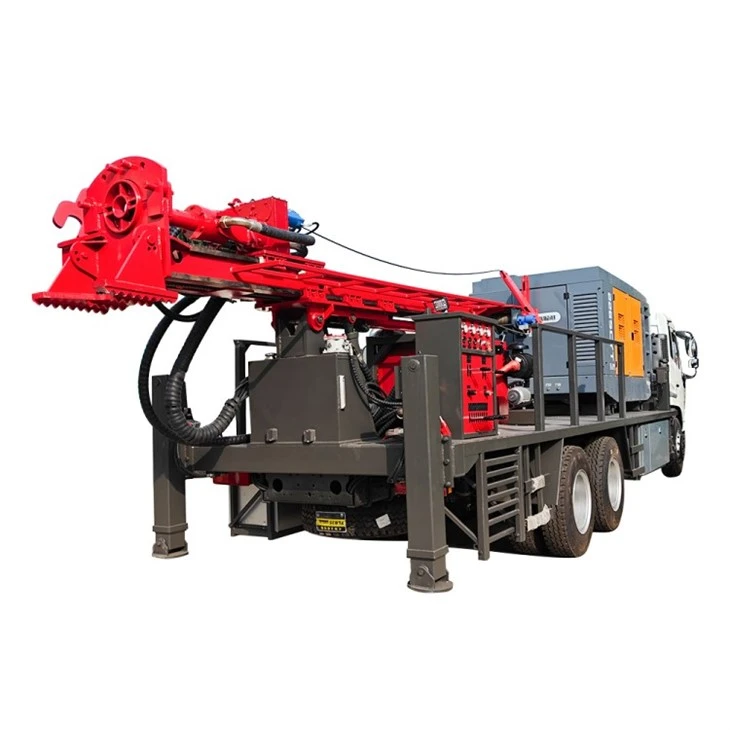
If you are in the market for water well drilling rigs, we invite you to contact us for more information. Our team of experts is ready to assist you in selecting the right rig for your specific needs and to answer any questions you may have. Let's start a conversation about your water well drilling projects and how our high - performance rig trucks can help you achieve success.
References
- "Drilling Engineering Handbook"
- Industry standards and guidelines for water well drilling rigs