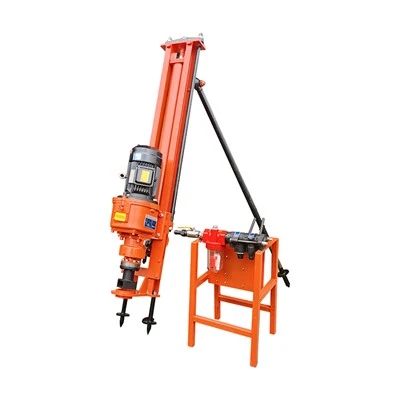
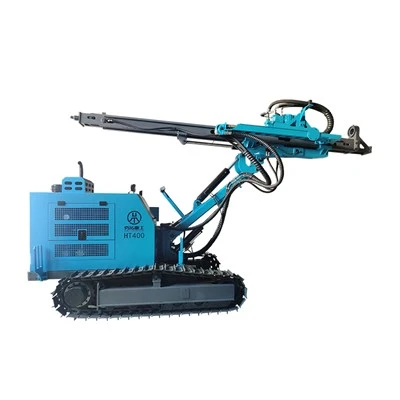
Rock drilling equipment is a cornerstone in industries like mining, construction, and quarrying. Over time, constant use exposes these machines to wear and tear, leading to damaged parts. As a reputable rock drilling equipment supplier, we understand the nuances of maintaining and repairing such machinery. In this blog, we'll delve into the best practices for repairing damaged parts of rock drilling equipment, ensuring you can keep your operations running smoothly.
Understanding the Common Causes of Damage
Before we jump into the repair process, it's crucial to understand what causes damage to rock drilling equipment. One of the primary culprits is abrasion. When the drill bits come into contact with hard rocks, the friction can cause significant wear on the cutting edges. This not only reduces the efficiency of the drilling process but also weakens the bit over time.

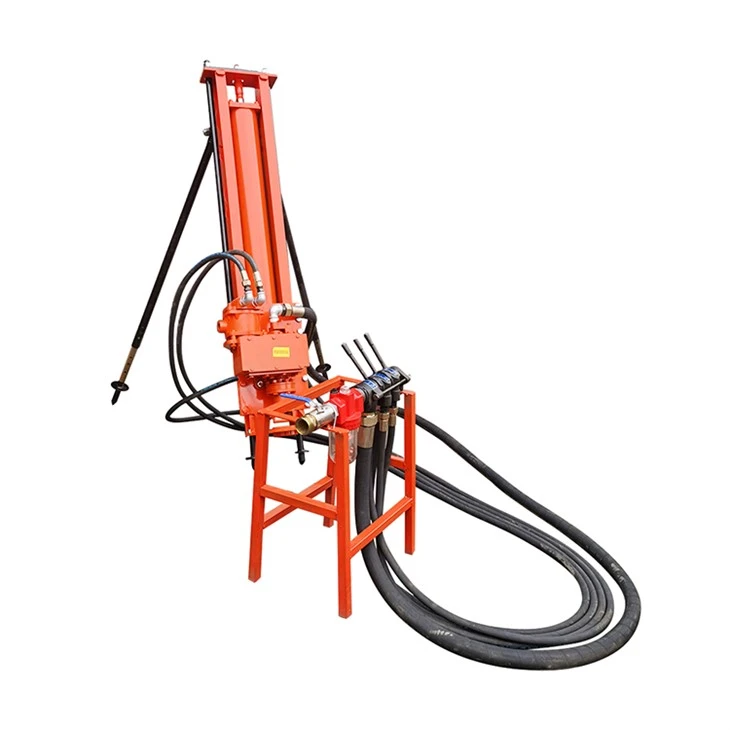
Another common cause is corrosion. If the equipment is used in a wet or humid environment, the metal parts can start to rust. Corrosion can weaken the structure of the parts, making them more prone to breakage. For instance, the air legs of a pneumatic air leg rock drill can corrode if exposed to water over an extended period.
Improper maintenance is also a major contributor to equipment damage. Failing to lubricate moving parts regularly can lead to increased friction and heat, causing premature wear. Additionally, using the wrong type of lubricant can also cause problems, such as clogs in the hydraulic systems.
Identifying Damaged Parts
The first step in repairing rock drilling equipment is to identify the damaged parts. This requires a thorough inspection of the entire machine. Start by visually examining the drill bits, looking for signs of wear, such as chipped or dull edges. Check the shanks for any cracks or bends, as these can affect the performance of the drill.
Next, inspect the hydraulic and pneumatic systems. Look for leaks, loose connections, or damaged hoses. A leak in the hydraulic system can lead to a loss of pressure, reducing the efficiency of the drill. Similarly, a damaged hose in the pneumatic system can cause a decrease in air pressure, affecting the operation of the air leg.
For more complex parts, such as the engine or the control panel, you may need to use specialized diagnostic tools. These tools can help you detect any internal problems, such as faulty sensors or electrical issues.
Repairing Drill Bits
Drill bits are one of the most critical parts of rock drilling equipment, and they are also the most prone to damage. If you notice that the cutting edges of the drill bit are dull or chipped, you can try reshaping them using a grinding wheel. Make sure to follow the manufacturer's guidelines for the correct angle and depth of the grind.
If the damage is too severe, you may need to replace the drill bit. When choosing a new drill bit, consider the type of rock you'll be drilling, as different bits are designed for different rock formations. For small - scale drilling applications, small down the hole drilling bits are a great option.
Fixing Hydraulic and Pneumatic Systems
When dealing with hydraulic and pneumatic systems, the first step is to identify the source of the problem. If you find a leak in a hose, you can try to patch it using a suitable sealant or replace the hose altogether. Make sure to use the correct type of hose for the system, as different hoses are designed to handle different pressures.
For issues with the hydraulic pump or the pneumatic compressor, it's best to consult the manufacturer's manual or a professional technician. These components are complex and require specialized knowledge and tools for repair.
Addressing Structural Damage
Structural damage to the rock drilling equipment, such as cracks in the frame or the mast, can compromise the safety and stability of the machine. If you notice any structural damage, it's important to take immediate action.
For minor cracks, you can use a welding process to repair them. However, this should only be done by a qualified welder, as improper welding can weaken the structure further. For more severe damage, you may need to replace the damaged part.
Preventive Maintenance to Avoid Future Damage
Repairing damaged parts is important, but preventive maintenance is even better. By following a regular maintenance schedule, you can extend the lifespan of your rock drilling equipment and reduce the frequency of repairs.
Lubricate all moving parts regularly, using the recommended lubricant for each part. Check the hydraulic and pneumatic fluid levels frequently and top them up as needed. Inspect the equipment before and after each use, looking for any signs of wear or damage.
When to Seek Professional Help
While some minor repairs can be done in - house, there are times when it's best to seek professional help. If you're dealing with complex electrical or hydraulic problems, or if the damage is extensive, it's advisable to contact a professional repair service.
As a leading rock drilling equipment supplier, we also offer repair and maintenance services for all our products. Our team of experienced technicians has the expertise and tools to diagnose and fix any problem with your rock drilling equipment.
Conclusion
Repairing damaged parts of rock drilling equipment is an essential skill for anyone in the mining, construction, or quarrying industries. By understanding the common causes of damage, identifying the damaged parts, and following the correct repair procedures, you can keep your equipment in top condition.
If you're in the market for high - quality rock drilling equipment or need assistance with repairs and maintenance, we're here to help. Our range of products, including Integrated Open - pit Down - the - hole Drill Rig, is designed to meet the diverse needs of our customers. Contact us today to discuss your requirements and explore how we can support your operations.
References
- Manufacturer's manuals for rock drilling equipment
- Industry standards and best practices for rock drilling equipment maintenance and repair
- Technical journals and publications related to mining and construction equipment