Hey there! As a supplier of piston compressors, I've seen my fair share of issues when it comes to these machines. One problem that often crops up is oil carry-over in piston compressors. It's a headache for many users, but don't worry – I'm here to share some tips on how to reduce it.
First off, let's understand what oil carry-over is. In a piston compressor, oil is used for lubrication, sealing, and cooling. But sometimes, this oil gets carried over into the compressed air stream. This can lead to a bunch of problems, like contaminating the end-use product, causing damage to downstream equipment, and increasing maintenance costs.
1. Choose the Right Oil
The type of oil you use in your piston compressor matters a lot. You need to pick an oil that's specifically designed for piston compressors. These oils have the right viscosity and additives to ensure proper lubrication and minimize oil carry-over.
For example, synthetic oils are often a great choice. They have better thermal stability and oxidation resistance compared to mineral oils. This means they can withstand high temperatures and pressures inside the compressor without breaking down easily. As a result, there's less chance of oil getting carried over into the compressed air.
2. Maintain the Right Oil Level
Keeping the oil at the correct level is crucial. If the oil level is too high, there's a greater risk of oil being splashed into the compression chamber and then carried over with the compressed air. On the other hand, if the oil level is too low, the compressor may not get enough lubrication, which can lead to increased wear and tear and potentially other problems.
Check the oil level regularly, preferably before each use. Most piston compressors have an oil sight glass or dipstick that makes it easy to see the oil level. If the oil is below the recommended level, add the appropriate oil until it reaches the correct mark.
3. Clean or Replace Air Filters
Air filters play a vital role in reducing oil carry-over. They help to remove contaminants from the incoming air, preventing them from entering the compressor and mixing with the oil. Over time, these filters can get clogged with dirt, dust, and other particles, which can reduce their effectiveness.
A clogged air filter can cause a pressure drop in the compressor, which can lead to increased oil carry-over. So, it's important to clean or replace the air filters regularly. How often you do this depends on the operating conditions, but as a general rule, check the filters every few months and replace them if they're dirty or damaged.
4. Inspect and Maintain the Separator
The separator is another key component in reducing oil carry-over. Its job is to separate the oil from the compressed air before the air is discharged. There are different types of separators, such as coalescing separators and centrifugal separators.
Regularly inspect the separator for any signs of damage or clogging. If the separator is not working properly, it won't be able to separate the oil effectively, leading to more oil carry-over. If you notice any issues, clean or replace the separator as needed.
5. Optimize the Compressor's Operating Conditions
The way you operate the compressor can also affect oil carry-over. For instance, running the compressor at too high a speed or pressure can increase the likelihood of oil being carried over. Make sure to operate the compressor within the recommended speed and pressure ranges specified by the manufacturer.
Also, avoid frequent starts and stops, as this can cause fluctuations in the oil level and pressure inside the compressor, which may lead to more oil carry-over. Try to keep the compressor running steadily for longer periods whenever possible.
6. Consider Upgrading the Compressor
If you've tried all the above measures and are still having problems with oil carry-over, it might be time to consider upgrading your compressor. Newer models often come with improved designs and technologies that are better at reducing oil carry-over.
For example, some modern piston compressors have advanced oil management systems that can more effectively control the oil flow and separation. They may also have better sealing materials and components that minimize the chances of oil leakage and carry-over.
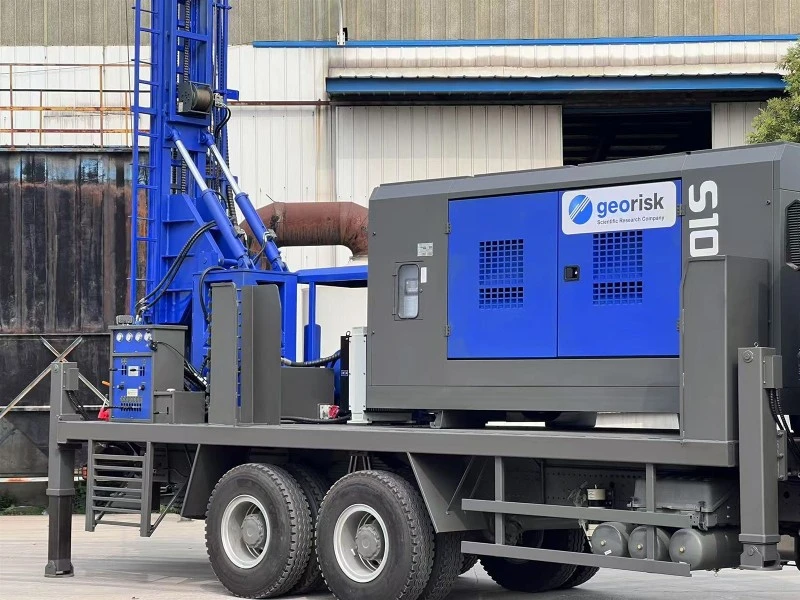
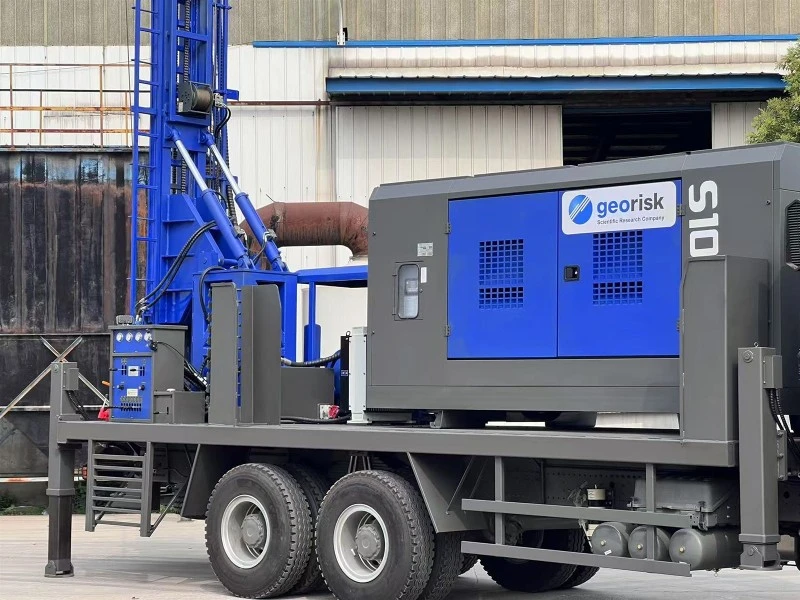
If you're in the market for a new piston compressor, check out our Small Mobile Piston Air Compressor. It's a great option for those who need a reliable and efficient compressor with low oil carry-over.
Conclusion
Reducing oil carry-over in a piston compressor is essential for ensuring the proper operation of the compressor and the quality of the compressed air. By following the tips I've shared above, you can minimize oil carry-over and extend the lifespan of your compressor.
If you have any questions or need more information about piston compressors or reducing oil carry-over, feel free to reach out. We're here to help you find the best solutions for your needs. Whether you're looking to improve the performance of your existing compressor or purchase a new one, we can assist you in making the right choice. So, don't hesitate to contact us for a friendly chat and start the procurement discussion.
References
- Compressor Handbook: A Practical Guide to Compressor Selection, Operation, and Maintenance
- Manufacturer's manuals for piston compressors