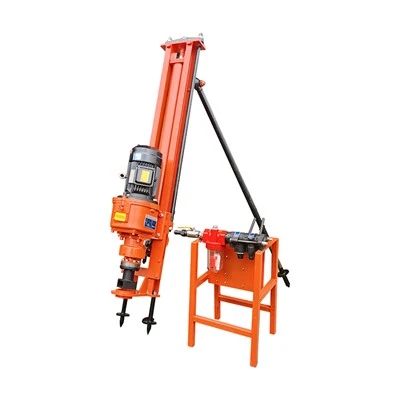
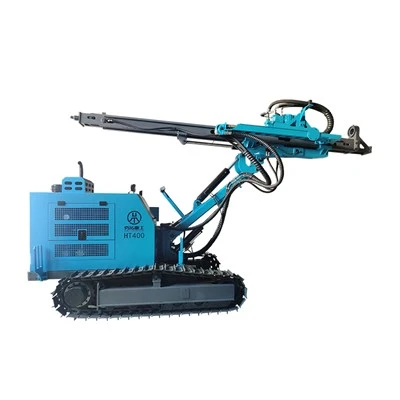
Maintaining water well drilling equipment is crucial for ensuring its longevity, efficiency, and safety. As a water well drilling equipment supplier, I understand the significance of proper maintenance in the field. In this blog, I will share some essential tips on how to maintain water well drilling equipment effectively.
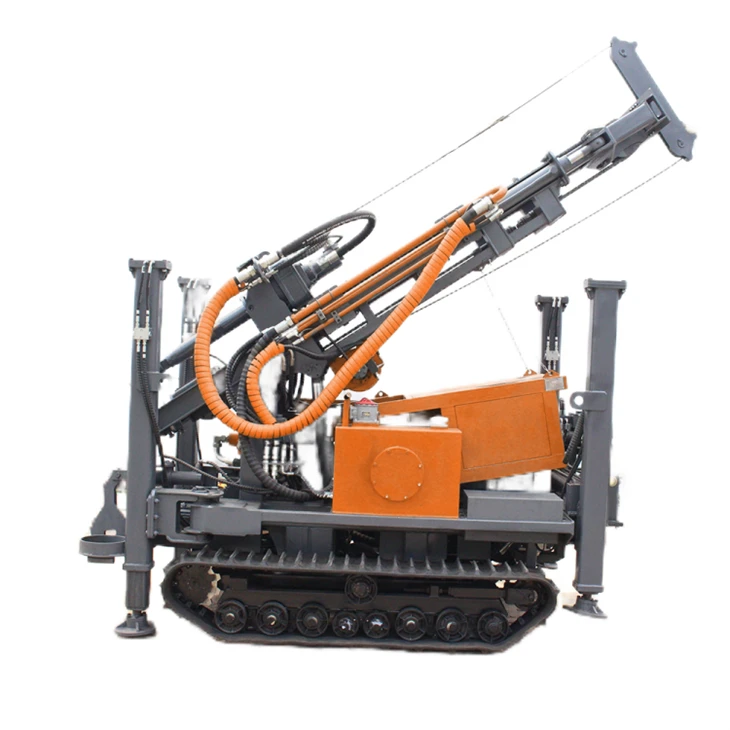

Regular Inspection
Regular inspection is the foundation of equipment maintenance. It allows you to identify potential issues before they become major problems. Here are some key areas to focus on during inspections:
- Structural Components: Check for any signs of cracks, corrosion, or wear on the rig's frame, mast, and other structural parts. Pay special attention to welds and joints, as these areas are prone to stress and fatigue.
- Hydraulic System: Inspect the hydraulic hoses, fittings, and cylinders for leaks, damage, or signs of wear. Check the hydraulic fluid level and quality regularly, and replace the fluid as recommended by the manufacturer.
- Drilling Tools: Examine the drill bits, rods, and other drilling tools for wear, damage, or dullness. Replace any worn or damaged tools promptly to ensure efficient drilling performance.
- Electrical System: Check the electrical wiring, connections, and components for signs of damage, corrosion, or loose connections. Ensure that all electrical systems are properly grounded and functioning correctly.
- Safety Equipment: Inspect the safety equipment, such as guards, shields, and emergency stop buttons, to ensure that they are in good working condition and properly installed.
Lubrication
Proper lubrication is essential for reducing friction, wear, and heat in the equipment's moving parts. Here are some tips on lubrication:
- Follow the Manufacturer's Recommendations: Refer to the equipment's manual for the recommended lubricants and lubrication intervals. Use only high-quality lubricants that are compatible with the equipment's components.
- Lubricate Regularly: Establish a lubrication schedule and ensure that all moving parts are lubricated at the recommended intervals. Pay special attention to areas that are subject to high stress or friction, such as bearings, gears, and chains.
- Clean the Lubrication Points: Before applying lubricant, clean the lubrication points to remove any dirt, debris, or old lubricant. This will help to ensure that the new lubricant can penetrate the components effectively.
- Monitor the Lubricant Level: Regularly check the lubricant level in the equipment's reservoirs and add lubricant as needed. Over-lubrication can be just as harmful as under-lubrication, so be careful not to overdo it.
Cleaning
Keeping the equipment clean is essential for preventing the buildup of dirt, debris, and corrosion. Here are some tips on cleaning:
- Clean the Equipment Regularly: Establish a cleaning schedule and ensure that the equipment is cleaned after each use or at regular intervals. Use a high-pressure washer or a brush to remove dirt, mud, and other debris from the equipment's surfaces.
- Use the Right Cleaning Agents: Use cleaning agents that are specifically designed for the equipment's components and materials. Avoid using abrasive cleaners or solvents that can damage the equipment's surfaces or components.
- Clean the Drilling Tools: After each use, clean the drill bits, rods, and other drilling tools to remove any dirt, mud, or rock fragments. Use a wire brush or a cleaning solution to clean the tools thoroughly.
- Dry the Equipment: After cleaning, ensure that the equipment is completely dry before storing it. Moisture can cause corrosion and damage to the equipment's components, so it's important to dry the equipment thoroughly.
Storage
Proper storage is essential for protecting the equipment from damage, corrosion, and environmental factors. Here are some tips on storage:
- Store the Equipment in a Dry, Secure Location: Choose a storage location that is dry, clean, and protected from the elements. Avoid storing the equipment in areas that are prone to flooding, high humidity, or extreme temperatures.
- Cover the Equipment: Use a tarp or a cover to protect the equipment from dust, dirt, and debris. Make sure that the cover is securely fastened to prevent it from blowing off in the wind.
- Store the Drilling Tools Properly: Store the drill bits, rods, and other drilling tools in a dry, clean, and organized manner. Use a tool rack or a storage case to keep the tools organized and protected.
- Perform Maintenance Before Storage: Before storing the equipment, perform a thorough maintenance check and make any necessary repairs or adjustments. This will help to ensure that the equipment is in good working condition when it's time to use it again.
Training and Education
Proper training and education are essential for ensuring that the equipment is operated and maintained correctly. Here are some tips on training and education:
- Provide Training to Operators and Maintenance Personnel: Ensure that all operators and maintenance personnel are properly trained on the equipment's operation, maintenance, and safety procedures. Provide regular training updates to keep them informed of any changes or improvements to the equipment.
- Encourage Safety Awareness: Promote safety awareness among all operators and maintenance personnel. Provide safety training and education on topics such as personal protective equipment, hazard identification, and emergency procedures.
- Keep Up with Industry Trends and Best Practices: Stay informed of the latest industry trends and best practices in water well drilling equipment maintenance. Attend industry conferences, seminars, and training courses to learn from experts and stay up-to-date on the latest technologies and techniques.
Conclusion
Maintaining water well drilling equipment is essential for ensuring its longevity, efficiency, and safety. By following the tips outlined in this blog, you can keep your equipment in good working condition and avoid costly repairs and downtime. Remember to perform regular inspections, lubrication, cleaning, and storage, and provide proper training and education to your operators and maintenance personnel. If you have any questions or need further assistance with water well drilling equipment maintenance, please don't hesitate to [contact us for procurement and negotiation].
References
- Manufacturer's equipment manuals
- Industry standards and guidelines for water well drilling equipment maintenance