Hey there! As a supplier of rock drilling equipment, I've seen firsthand how crucial it is to ensure the stability of these machines during operation. Unstable equipment can lead to all sorts of problems, from poor drilling quality to safety hazards. So, in this blog post, I'm gonna share some tips on how to keep your rock drilling equipment running smoothly and steadily.
1. Proper Installation and Setup
First things first, getting the installation and setup right is super important. You need to make sure the equipment is placed on a stable surface. If the ground is uneven or soft, it can cause the rig to wobble during operation. Before starting, do a thorough inspection of the area where you'll be setting up the equipment. Level the ground if necessary, and use appropriate support structures like pads or jacks to keep the rig steady.
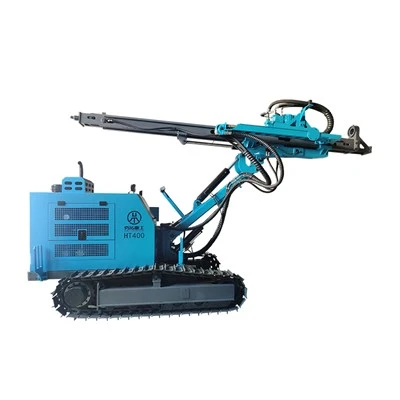
For example, our Integrated Open - pit Down - the - hole Drill Rig is a powerful machine, but it needs a solid foundation. When installing it, follow the manufacturer's guidelines carefully. Check all the connections and make sure everything is tightened properly. Loose connections can lead to vibrations and instability over time.
2. Regular Maintenance
Maintenance is key to ensuring the stability of rock drilling equipment. This includes checking and replacing worn - out parts regularly. Parts like drill bits, rods, and hydraulic hoses can wear down with use, and if they're not replaced in time, they can affect the overall performance and stability of the equipment.
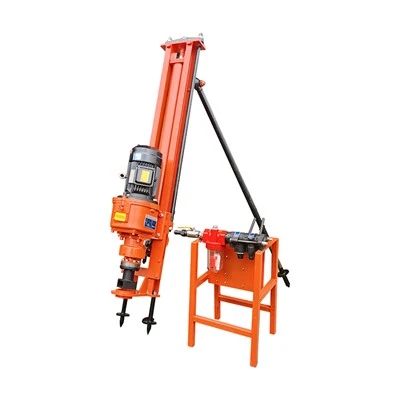
For instance, in a pneumatic air leg rock drill, the air leg is an important component. You need to check for any leaks in the air system and make sure the leg can support the weight of the drill properly. Also, lubricate all the moving parts as recommended. Lack of lubrication can cause increased friction, which not only reduces the efficiency of the equipment but also makes it more prone to instability.
Another aspect of maintenance is cleaning. Rock dust and debris can accumulate on the equipment, especially in the moving parts. This can cause jams and affect the smooth operation of the machine. So, make sure to clean the equipment regularly, especially after a long day of drilling.
3. Operator Training
Even the best - maintained equipment can be unstable if the operator doesn't know how to use it properly. That's why operator training is so important. A well - trained operator knows how to handle the equipment in different conditions and can take steps to maintain its stability.
For example, when using a mini pneumatic drill, the operator needs to know the right drilling speed and pressure. If the speed is too high or the pressure is uneven, it can cause the drill to bounce and become unstable. Training should also cover safety procedures, as a safe operation is often a stable operation.
Operators should be taught to monitor the equipment during operation. They should be able to detect any signs of instability, such as unusual vibrations or noises, and take immediate action. This could mean stopping the operation, checking for problems, or making adjustments as needed.
4. Monitoring and Adjustment
During operation, it's important to constantly monitor the equipment. Use sensors and monitoring devices if available. These can help you keep track of things like vibration levels, temperature, and pressure. If the vibration levels start to increase beyond the normal range, it could be a sign of a problem.
For example, in a large - scale drilling operation, continuous monitoring can help you detect issues early on. You can then make adjustments to the equipment settings to restore stability. This might involve changing the drilling angle, adjusting the feed rate, or changing the rotation speed.
Some modern rock drilling equipment comes with advanced control systems that can automatically adjust the settings based on the conditions. However, it's still important for the operator to keep an eye on the machine and intervene if necessary.


5. Choosing the Right Equipment for the Job
Not all rock drilling equipment is suitable for every job. Choosing the right equipment for the specific drilling task is crucial for stability. Consider factors like the type of rock, the depth of the hole, and the drilling environment.
For example, if you're drilling in hard rock, a more powerful and robust drill rig might be required. Our Integrated Open - pit Down - the - hole Drill Rig is designed for heavy - duty open - pit drilling and can handle tough rock conditions more stably compared to a smaller drill.
On the other hand, if you're working in a confined space, a mini pneumatic drill might be a better choice. It's more maneuverable and can maintain stability in tight areas.
6. Weather and Environmental Considerations
The weather and environmental conditions can also have a big impact on the stability of rock drilling equipment. In windy conditions, for example, a tall drill rig can be more prone to tipping. In such cases, you might need to take additional precautions, like using guy wires to secure the rig.
Rain and snow can also affect the equipment. Moisture can cause rust and corrosion, which can weaken the parts and lead to instability. Make sure to protect the equipment from the elements when not in use and dry it thoroughly if it gets wet.
In hot and humid environments, the equipment might overheat. This can affect the performance of the hydraulic and electrical systems. Install proper cooling systems and monitor the temperature closely to ensure the stability of the equipment.
Conclusion
Ensuring the stability of rock drilling equipment during operation is a multi - faceted task. It involves proper installation, regular maintenance, operator training, monitoring, choosing the right equipment, and considering the environmental conditions. By following these tips, you can reduce the risk of instability, improve the drilling quality, and enhance the safety of your operations.
If you're in the market for high - quality rock drilling equipment or need more advice on how to keep your equipment stable, don't hesitate to reach out. We're here to help you with all your rock drilling needs and ensure that your operations run as smoothly as possible.
References
- Industry standards and guidelines for rock drilling equipment operation and maintenance.
- Manufacturer's manuals for various rock drilling equipment models.