Hey there, fellow DIY enthusiasts and professionals! If you're looking to drill a hole in a metal pipe, you've come to the right place. I'm a supplier of high - quality drill bits, and I'm here to share some tips and tricks to make your drilling job a breeze.
First things first, let's talk about the tools you'll need. Obviously, you're going to need a drill bit. We offer a variety of drill bits that are perfect for metal pipes. You can check out our Drill Bits which are designed to handle tough metal drilling tasks. These bits are made of high - quality materials that ensure durability and long - lasting performance.

In addition to the drill bit, you'll need a power drill. Make sure your drill is in good working condition and has enough power to penetrate through the metal pipe. A corded drill usually provides more consistent power compared to a cordless one, but if you're working in a place where there's no power outlet nearby, a cordless drill with a fully charged battery will do the job.
Safety should always be your top priority. Wear safety goggles to protect your eyes from metal shavings. Gloves are also a good idea to prevent any cuts or abrasions on your hands. And if you're working in a noisy environment, ear protection is a must.
Now, let's get into the actual process of drilling a hole in a metal pipe.
Step 1: Mark the Spot
Use a marker or a center punch to mark the exact spot where you want to drill the hole. A center punch is great because it creates a small indentation in the metal, which helps the drill bit stay in place when you start drilling. Just place the tip of the center punch on the marked spot and tap it gently with a hammer.
Step 2: Select the Right Drill Bit
The size of the drill bit you choose depends on the size of the hole you want to create. For smaller holes, a 1/8 - inch or 3/16 - inch drill bit might be sufficient. If you need a larger hole, you can go for a 1/4 - inch or even bigger bit. We also have PDC Bits which are suitable for more heavy - duty metal drilling. These bits are known for their high cutting efficiency and long lifespan.
Step 3: Secure the Metal Pipe
It's crucial to keep the metal pipe steady while you're drilling. You can use a vise to clamp the pipe firmly to a workbench. Make sure the pipe is held tightly so that it doesn't move around during the drilling process. If you don't have a vise, you can try using a couple of C - clamps to secure the pipe in place.
Step 4: Start Drilling
Before you start, set your drill to a low speed. This will help prevent the drill bit from overheating and also give you better control. Place the tip of the drill bit in the indentation created by the center punch. Apply gentle pressure on the drill and start the motor. As the drill bit starts to penetrate the metal, you can gradually increase the speed.
Keep an eye on the drill bit and the hole you're creating. If you notice that the drill bit is getting too hot, stop for a while to let it cool down. You can also use a cutting fluid or lubricant to reduce friction and heat. A little bit of WD - 40 or a specialized metal - drilling lubricant can go a long way in making the drilling process smoother.
Step 5: Finish and Clean Up
Once you've drilled the hole to the desired depth, turn off the drill and carefully remove the drill bit from the hole. Use a file or sandpaper to smooth the edges of the hole. This will prevent any sharp edges that could cause injuries or damage to whatever you're going to insert into the hole.
Clean up the metal shavings and debris from your work area. You can use a brush or a vacuum cleaner to get rid of the mess.
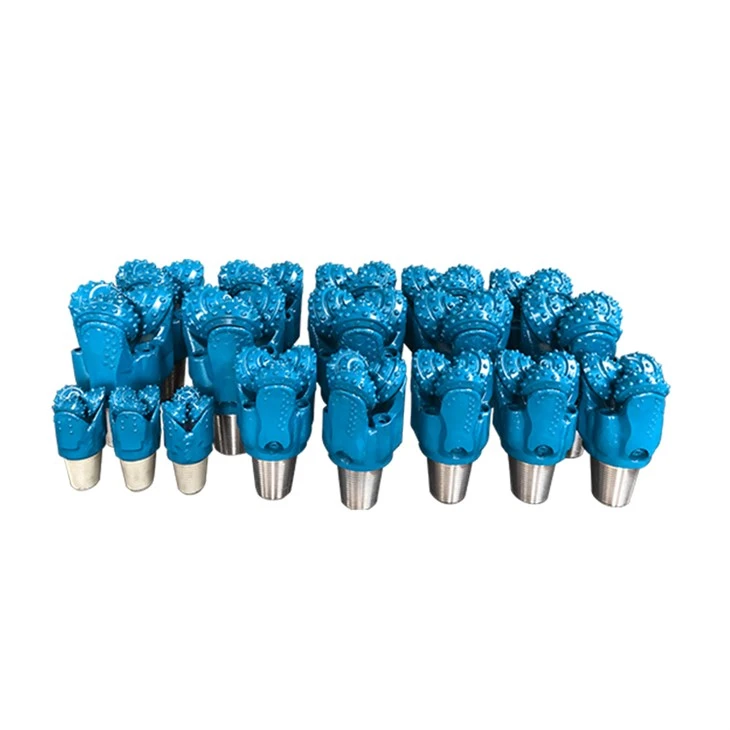
Another type of drill bit that's worth mentioning is the Tricone Bit. Although it's more commonly used in rock drilling, it can also be effective for some types of metal pipes, especially those with a thicker wall or a harder metal composition.
If you're new to drilling metal pipes, it might take a few tries to get the hang of it. Don't be discouraged if your first few holes aren't perfect. Just keep practicing and adjusting your technique.
We understand that different drilling jobs require different types of drill bits. That's why we offer a wide range of drill bits to meet your specific needs. Whether you're a professional contractor or a DIYer working on a home project, our drill bits are designed to provide excellent performance.
If you're interested in purchasing our high - quality drill bits, we'd love to have a chat with you. Just reach out to us, and we can discuss your requirements in detail. We're always happy to help you find the right drill bits for your next project.
In conclusion, drilling a hole in a metal pipe isn't as difficult as it might seem. With the right tools, safety precautions, and a bit of practice, you can do it like a pro. So, go ahead and give it a try, and if you have any questions along the way, don't hesitate to contact us.
References
- General knowledge of metalworking and drilling techniques.
- Experience in the drill bit supply industry.