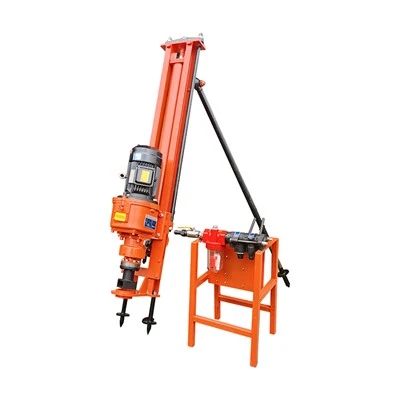
Hey there, folks! As a supplier of hand held rock drills, I've seen my fair share of issues that users run into. One of the most common problems I get asked about is how to deal with the overheating of these nifty tools. So, I thought I'd put together this blog to share some tips and tricks on handling this pesky situation.
First off, let's talk about why a hand held rock drill might overheat in the first place. There are a few reasons for this. One major factor is continuous use without breaks. These drills are tough, but they're not invincible. When you're using a hand held rock drill non - stop for long periods, it generates a ton of heat. Just like when you run a marathon without taking a breather, your body gets overheated, and the same goes for the drill.
Another reason could be a lack of proper lubrication. Lubrication is like the lifeblood of a hand held rock drill. It reduces friction between the moving parts. When there's not enough lubricant, the parts rub against each other vigorously, creating heat. And if you keep using the drill in this state, the heat builds up, and before you know it, you've got an overheating drill on your hands.
A dirty air filter can also cause overheating. The air filter is responsible for keeping the air that enters the drill clean. If it's clogged with dirt and debris, the airflow is restricted. This means that the drill can't cool itself properly, and the heat starts to pile up.
So, now that we know why a hand held rock drill might overheat, let's get into the solutions.
Take Regular Breaks
This is the simplest yet most effective solution. When you're using the drill, make sure to take breaks every 30 minutes or so. It gives the drill a chance to cool down. For example, if you're drilling a big rock face, stop for a few minutes, have a drink of water, and let the drill rest. This not only prevents overheating but also extends the lifespan of the drill.
Check and Maintain Lubrication
Regularly check the lubricant level in your hand held rock drill. Most drills have a lubrication indicator that shows you whether you need to add more. If it's low, use the recommended lubricant for your drill model. You can find this information in the user manual. Also, make sure to clean the lubrication ports from time to time. This ensures that the lubricant can flow freely to all the moving parts.
Clean or Replace the Air Filter
Inspect the air filter regularly. If it's dirty, clean it. You can usually do this by gently tapping it to remove the loose dirt and then using compressed air to blow out the remaining debris. If the filter is too damaged or clogged beyond cleaning, replace it. A new air filter will improve the airflow and help the drill cool down more efficiently.
Use the Right Accessories
Using the right accessories can also prevent overheating. For example, using a small down the hole drilling bit that's suitable for the type of rock you're drilling can reduce the strain on the drill. A bit that's too small or too large for the job can make the drill work harder, generating more heat.
Monitor the Working Environment
The temperature of the working environment can affect the drill's performance. If it's extremely hot outside, try to work in the shade or during cooler parts of the day. High ambient temperatures can make it harder for the drill to dissipate heat, increasing the risk of overheating.
Now, let's talk about some specific types of hand held rock drills and how these solutions apply to them.
Pneumatic Air Leg Rock Drill
The pneumatic air leg rock drill is a popular choice among many users. When dealing with overheating in a pneumatic air leg rock drill, in addition to the general tips I mentioned above, pay extra attention to the air supply. Make sure the air pressure is within the recommended range. Too high or too low air pressure can cause the drill to work inefficiently and overheat. Also, check the air hoses for any leaks. A leaky hose can reduce the airflow, leading to overheating.


Mini Pneumatic Drill
The mini pneumatic drill is a compact and handy tool. Due to its small size, it can overheat quickly. So, taking short breaks is even more crucial with a mini pneumatic drill. Also, because of its size, it can be a bit more challenging to access the internal parts for lubrication and filter cleaning. But with a little patience and the right tools, you can still perform these maintenance tasks effectively.
In conclusion, dealing with the overheating of a hand held rock drill is all about prevention and proper maintenance. By following these tips, you can keep your drill in top - notch condition and avoid the hassle of an overheating drill.
If you're in the market for a new hand held rock drill or need any advice on maintaining your existing one, don't hesitate to reach out. We're here to help you make the most of your drilling equipment. Whether you're a professional contractor or a DIY enthusiast, we've got the right tools and knowledge to meet your needs. Contact us to start a discussion about your requirements and let's find the perfect solution for you.
References
- General knowledge from years of experience in the hand held rock drill industry.
- Manufacturer's user manuals for various hand held rock drill models.