Selecting the right screw air compressor for your business is a critical decision that can significantly impact your operations, efficiency, and bottom line. As a trusted screw air compressor supplier, I understand the complexities involved in this process. In this blog, I'll guide you through the key factors to consider when choosing the perfect screw air compressor for your specific business needs.
Understanding Your Air Requirements
The first step in choosing the right screw air compressor is to accurately assess your air requirements. This involves determining the volume of air (measured in cubic feet per minute or CFM) and the pressure (measured in pounds per square inch or PSI) needed for your applications. Different tools and processes have varying air consumption rates and pressure requirements. For example, pneumatic drills typically require around 3 - 5 CFM at 90 PSI, while sandblasting operations may need 10 - 20 CFM or more at higher pressures.
To calculate your total air demand, list all the pneumatic tools and equipment you use, note their individual CFM and PSI requirements, and then sum them up. It's also important to consider any future expansion plans or changes in your operations that may increase your air needs. If you're unsure about your air requirements, our team of experts can assist you in conducting a thorough air audit to ensure you choose a compressor that can meet your current and future demands.
Types of Screw Air Compressors
There are two main types of screw air compressors: oil-injected and oil-free. Each type has its own advantages and is suitable for different applications.
- Oil-Injected Screw Air Compressors: These compressors use oil to lubricate, cool, and seal the compression chamber. They are known for their high efficiency, reliability, and ability to deliver large volumes of compressed air. Oil-injected compressors are commonly used in industrial applications such as manufacturing, automotive, and construction. However, the compressed air from these compressors contains a small amount of oil, which may need to be removed if the air is used in applications that require clean, oil-free air, such as food and beverage processing or pharmaceutical manufacturing.
- Oil-Free Screw Air Compressors: As the name suggests, these compressors do not use oil in the compression chamber, resulting in clean, oil-free compressed air. They are ideal for applications where air purity is critical, such as electronics manufacturing, medical facilities, and painting. Oil-free compressors are generally more expensive than oil-injected compressors, but they can save you money in the long run by eliminating the need for additional air purification equipment and reducing the risk of product contamination.
Portable vs. Stationary Air Compressors
Another important consideration is whether you need a portable or stationary air compressor.
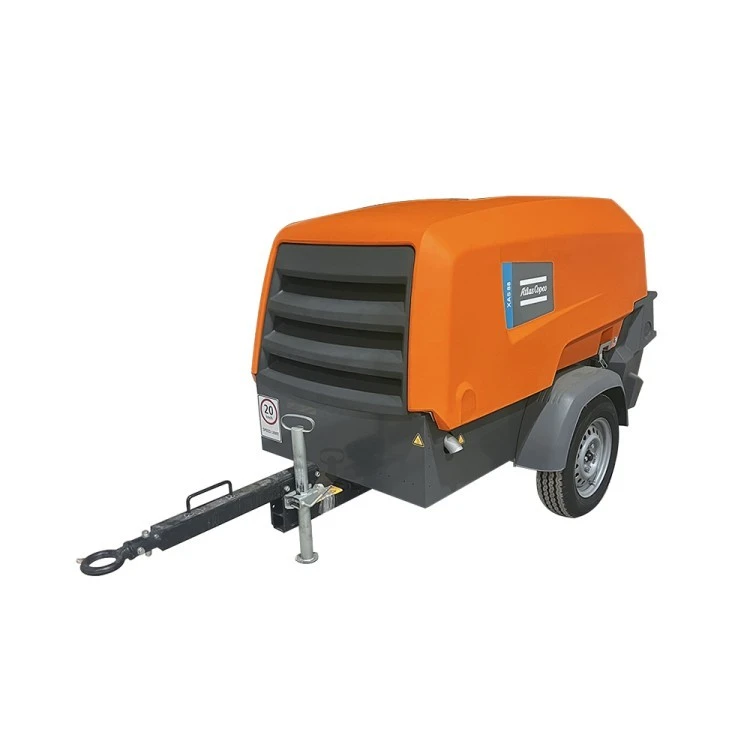
- Portable Air Compressors: These compressors are designed to be easily moved from one location to another, making them ideal for applications that require mobility, such as construction sites, road maintenance, and agricultural work. Portable compressors are typically powered by diesel engines or electric motors and come in a variety of sizes and configurations. Some portable compressors, such as the 2 wheels Screw Air Compressor, are equipped with wheels for easy transportation.
- Stationary Air Compressors: Stationary compressors are permanently installed in a fixed location and are designed to provide a continuous supply of compressed air for large-scale industrial applications. They are usually larger and more powerful than portable compressors and are often used in manufacturing plants, factories, and workshops. Stationary compressors can be powered by electric motors, diesel engines, or natural gas engines, depending on your specific requirements. If you're looking for a reliable stationary solution, check out our stationary air compressor.
Power Source
The power source of your screw air compressor is another crucial factor to consider. The most common power sources for screw air compressors are electricity, diesel, and natural gas.
- Electric Compressors: Electric compressors are clean, quiet, and efficient, making them a popular choice for indoor applications. They are available in single-phase and three-phase models, and the power consumption depends on the size and capacity of the compressor. Electric compressors are generally more energy-efficient than diesel compressors, but they require a reliable power supply.
- Diesel Compressors: Diesel compressors are ideal for outdoor applications where electricity is not readily available, such as construction sites and remote locations. They are powerful, durable, and can operate in harsh environments. However, diesel compressors are more expensive to operate than electric compressors and produce emissions, so they may not be suitable for indoor use.
- Natural Gas Compressors: Natural gas compressors are a cost-effective and environmentally friendly alternative to diesel compressors. They offer lower operating costs and reduced emissions, making them a popular choice for industrial applications. However, natural gas compressors require a dedicated gas supply, which may not be available in all locations.
Size and Capacity
The size and capacity of the screw air compressor you choose should be based on your air requirements and the available space in your facility. A compressor that is too small will not be able to meet your air demands, while a compressor that is too large will be inefficient and waste energy.
When selecting the size and capacity of your compressor, consider the following factors:
- Peak Air Demand: Determine the maximum amount of air you need during peak operating periods. This will help you choose a compressor with a sufficient capacity to meet your peak demand.
- Duty Cycle: The duty cycle of a compressor refers to the percentage of time it can operate continuously without overheating. A compressor with a higher duty cycle is more suitable for applications that require continuous operation.
- Available Space: Make sure you have enough space to install the compressor and allow for proper ventilation and maintenance. Consider the dimensions of the compressor, as well as any additional equipment such as air receivers and filters.
Energy Efficiency
Energy efficiency is an important consideration when choosing a screw air compressor, as it can significantly reduce your operating costs over the life of the compressor. Look for compressors that are designed with energy-saving features, such as variable speed drives (VSD), which adjust the compressor's speed to match the air demand, and efficient motors and control systems.
VSD compressors are particularly effective at reducing energy consumption, as they can save up to 35% on energy costs compared to fixed-speed compressors. They are also more suitable for applications with fluctuating air demands, as they can adjust the compressor's output to match the actual need.
Maintenance and Service
Regular maintenance is essential to ensure the reliable operation and longevity of your screw air compressor. When choosing a compressor, consider the ease of maintenance and the availability of service and support.
Look for compressors that are designed with easy-access panels and components, making it easier to perform routine maintenance tasks such as oil changes, filter replacements, and inspections. It's also important to choose a compressor from a reputable manufacturer that offers a comprehensive warranty and reliable after-sales service. Our company provides professional maintenance and repair services to ensure your compressor operates at peak performance at all times.
Cost
The cost of the screw air compressor is an important factor to consider, but it should not be the only factor. While it may be tempting to choose the cheapest compressor available, it's important to consider the long-term costs, including energy consumption, maintenance, and replacement parts.
When comparing the costs of different compressors, consider the following:
- Initial Purchase Price: This is the upfront cost of the compressor, including any additional equipment such as air receivers and filters.
- Operating Costs: This includes the cost of energy, maintenance, and replacement parts over the life of the compressor.
- Total Cost of Ownership: The total cost of ownership takes into account the initial purchase price, operating costs, and any potential savings from energy efficiency and reduced maintenance.
Conclusion
Choosing the right screw air compressor for your business is a complex decision that requires careful consideration of your air requirements, budget, and operational needs. By following the guidelines outlined in this blog, you can make an informed decision and select a compressor that will provide reliable, efficient, and cost-effective compressed air for your business.
If you're still unsure about which screw air compressor is right for you, our team of experts is here to help. We offer a wide range of screw air compressors, including mini screw Air Compressor, to meet the needs of various industries and applications. Contact us today to discuss your requirements and get a personalized recommendation.

References
- Compressed Air and Gas Institute (CAGI). (n.d.). Screw Compressors. Retrieved from [CAGI website]
- Air Compressor Handbook. (n.d.). Retrieved from [Air Compressor Handbook website]
- Manufacturers' literature and product specifications.