Selecting the appropriate drilling bit for metal is a crucial decision that can significantly impact the efficiency, quality, and cost of your metalworking projects. As a trusted drilling bits supplier, we understand the complexities involved in this process. In this blog post, we'll guide you through the key factors to consider when choosing the right drilling bit for metal, ensuring that you make an informed decision that meets your specific needs.
Understanding Metal Properties
The first step in choosing the right drilling bit for metal is to understand the properties of the metal you'll be working with. Different metals have varying hardness, toughness, and heat conductivity, which can affect the performance of the drilling bit.
- Hardness: Harder metals, such as stainless steel and titanium, require drilling bits with high wear resistance. Carbide-tipped bits are often a good choice for these materials, as they can withstand the high pressures and temperatures generated during drilling.
- Toughness: Tough metals, like aluminum and copper, are more malleable and tend to deform under pressure. High-speed steel (HSS) bits are suitable for these metals, as they can provide a good balance of cutting ability and durability.
- Heat Conductivity: Metals with high heat conductivity, such as copper and brass, can dissipate heat quickly during drilling. This can help prevent the bit from overheating and wearing out prematurely. However, it's still important to use a bit with good heat resistance to ensure optimal performance.
Types of Drilling Bits for Metal
There are several types of drilling bits available for metal, each with its own unique features and applications. Here are some of the most common types:
- Twist Bits: Twist bits are the most widely used type of drilling bit for metal. They have a spiral fluted design that helps to remove chips from the hole as the bit rotates. Twist bits are available in a variety of sizes and materials, including HSS and carbide-tipped.
- Step Bits: Step bits are designed to drill holes of different sizes in a single operation. They have a stepped profile that allows them to gradually increase the diameter of the hole as they penetrate the metal. Step bits are often used for drilling holes in thin sheets of metal, such as aluminum and stainless steel.
- Cobalt Bits: Cobalt bits are made from a high-speed steel alloy that contains cobalt. This alloy gives the bits increased hardness and heat resistance, making them suitable for drilling hard metals, such as stainless steel and titanium.
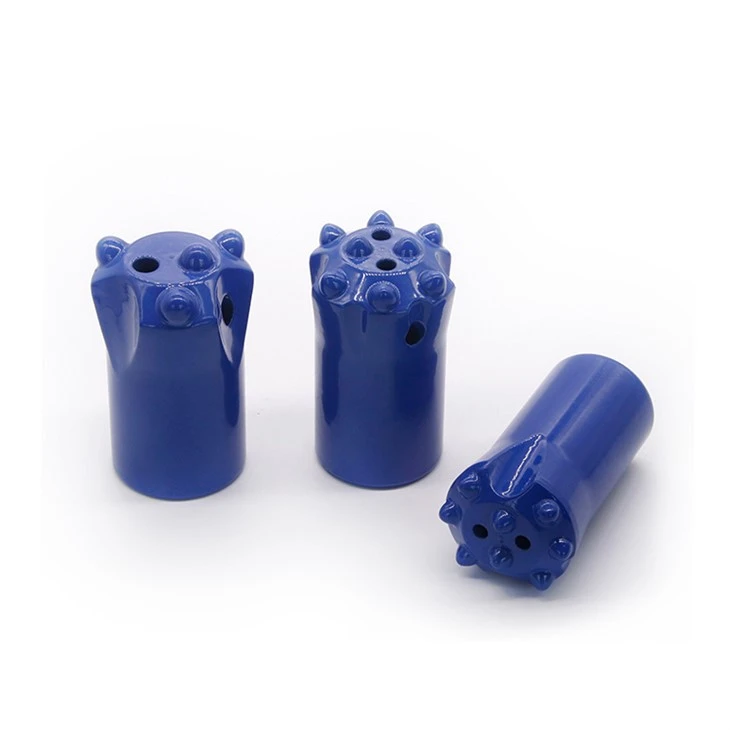
- Threaded Button Bits: Threaded button bits are designed for use in top hammer drilling applications. They have a threaded shank that allows them to be easily attached to the drill rod. These bits are commonly used in mining and construction projects for drilling holes in rock and other hard materials.
- PDC Drag Bits: PDC (Polycrystalline Diamond Compact) drag bits are used for drilling in soft to medium-hard formations. They have a diamond-impregnated cutting surface that provides excellent wear resistance and cutting efficiency. PDC drag bits are often used in water well drilling and oil and gas exploration.
- Tapered Button Drilling Bit: Tapered button drilling bits are designed for use in percussion drilling applications. They have a tapered shape that helps to concentrate the impact energy at the tip of the bit, making them more effective for drilling in hard rock.
Considerations for Bit Size and Geometry
In addition to the type of bit, the size and geometry of the bit also play an important role in its performance. Here are some factors to consider:
- Bit Size: The size of the bit you choose will depend on the diameter of the hole you need to drill. It's important to choose a bit that is slightly larger than the desired hole size to allow for some clearance.
- Flute Length: The flute length of the bit refers to the length of the spiral grooves on the bit. Longer flute lengths are generally better for drilling deep holes, as they allow for better chip evacuation.
- Point Angle: The point angle of the bit refers to the angle at the tip of the bit. A smaller point angle is better for drilling hard metals, as it provides a more concentrated cutting force. A larger point angle is better for drilling soft metals, as it helps to prevent the bit from wandering.
- Helix Angle: The helix angle of the bit refers to the angle of the spiral grooves on the bit. A higher helix angle is better for drilling soft metals, as it helps to remove chips more quickly. A lower helix angle is better for drilling hard metals, as it provides more stability and control.
Other Factors to Consider
In addition to the factors mentioned above, there are several other factors to consider when choosing the right drilling bit for metal:

- Drilling Speed and Feed Rate: The drilling speed and feed rate you use will depend on the type of metal you're drilling, the size and type of bit you're using, and the drilling machine you're using. It's important to follow the manufacturer's recommendations for drilling speed and feed rate to ensure optimal performance and prevent damage to the bit.
- Coolant and Lubrication: Using a coolant or lubricant can help to reduce friction and heat during drilling, which can extend the life of the bit and improve the quality of the hole. There are several types of coolants and lubricants available, including water-soluble oils, synthetic coolants, and cutting fluids.
- Drilling Machine: The type of drilling machine you use will also affect the performance of the bit. Different drilling machines have different power ratings, speeds, and feed rates, so it's important to choose a machine that is compatible with the bit and the metal you're drilling.
Conclusion
Choosing the right drilling bit for metal is a complex decision that requires careful consideration of several factors. By understanding the properties of the metal you're working with, the types of drilling bits available, and the factors that affect bit performance, you can make an informed decision that meets your specific needs. As a drilling bits supplier, we're here to help you choose the right bit for your project. If you have any questions or need further assistance, please don't hesitate to contact us. We look forward to working with you to achieve your metalworking goals.
References
- ASM Handbook, Volume 16: Machining, ASM International
- Machinery's Handbook, 31st Edition, Industrial Press Inc.
- Drilling Bits and Accessories: A Guide to Selection and Use, Kennametal Inc.