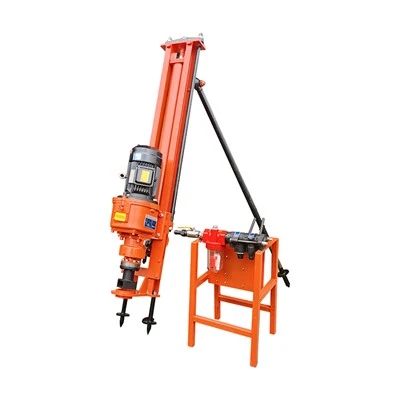
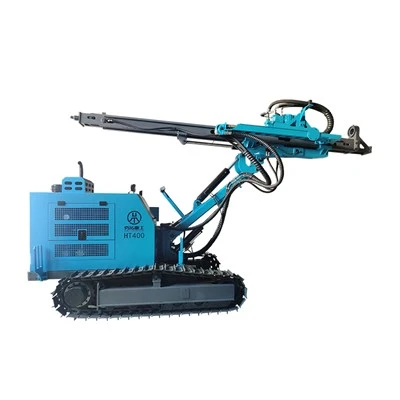
Drilling operations are a fundamental part of various industries, from mining and construction to oil and gas exploration. At the heart of these operations are two critical components: the drilling rod and the drilling bit. As a leading drilling rod supplier, I've witnessed firsthand the intricate dance between these two elements and the profound impact it has on the success of any drilling project. In this blog, I'll delve into how a drilling rod interacts with the drilling bit, exploring the mechanics, factors influencing their interaction, and the importance of choosing the right combination for optimal performance.
Mechanics of Interaction
The primary function of a drilling rod is to transmit the necessary forces from the drilling machine to the drilling bit. These forces include rotational torque, axial thrust, and sometimes percussion energy, depending on the drilling method. When the drilling machine is activated, it imparts a rotational motion to the drilling rod. This rotation is then transferred to the drilling bit, which cuts into the material being drilled.
The axial thrust, on the other hand, is the force that pushes the drilling bit forward into the material. The drilling rod acts as a conduit for this force, ensuring that the bit maintains contact with the surface and can penetrate effectively. In percussion drilling, such as in some mining applications, the drilling rod also transfers the impact energy from the hammer mechanism to the bit, enhancing its ability to break through hard rock.
The connection between the drilling rod and the drilling bit is crucial for efficient force transmission. Most drilling rods and bits are designed with specific threading or coupling systems that ensure a secure and precise fit. This connection must be able to withstand the high forces and vibrations generated during drilling without coming loose. A loose connection can lead to reduced drilling efficiency, premature wear of the components, and even safety hazards.
Factors Influencing the Interaction
Several factors can influence how a drilling rod interacts with the drilling bit. One of the most significant factors is the material properties of both the rod and the bit. The drilling rod needs to be made of a strong and durable material that can withstand the high stresses and strains during drilling. Steel is a common choice for drilling rods due to its high strength and toughness. However, different grades of steel may be used depending on the specific application and the type of material being drilled.
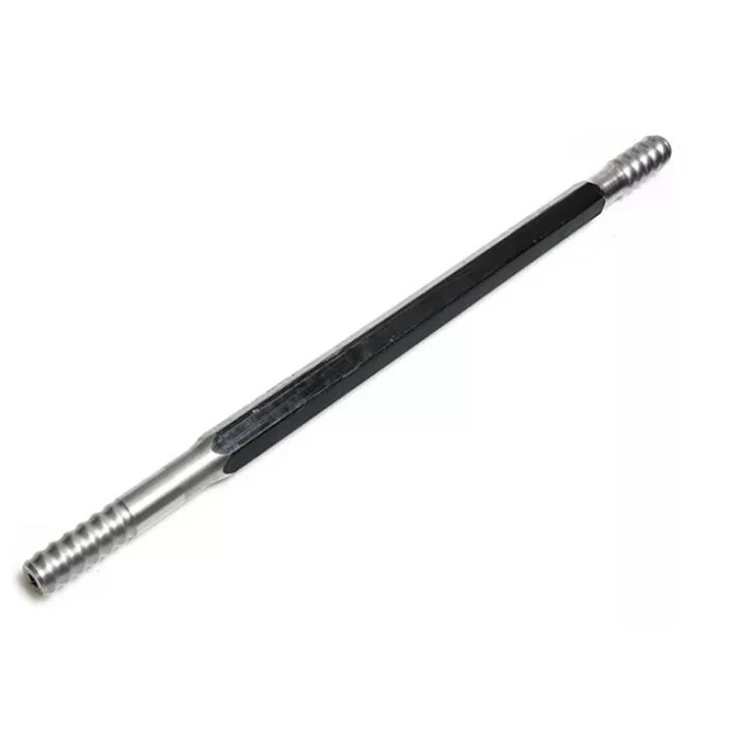
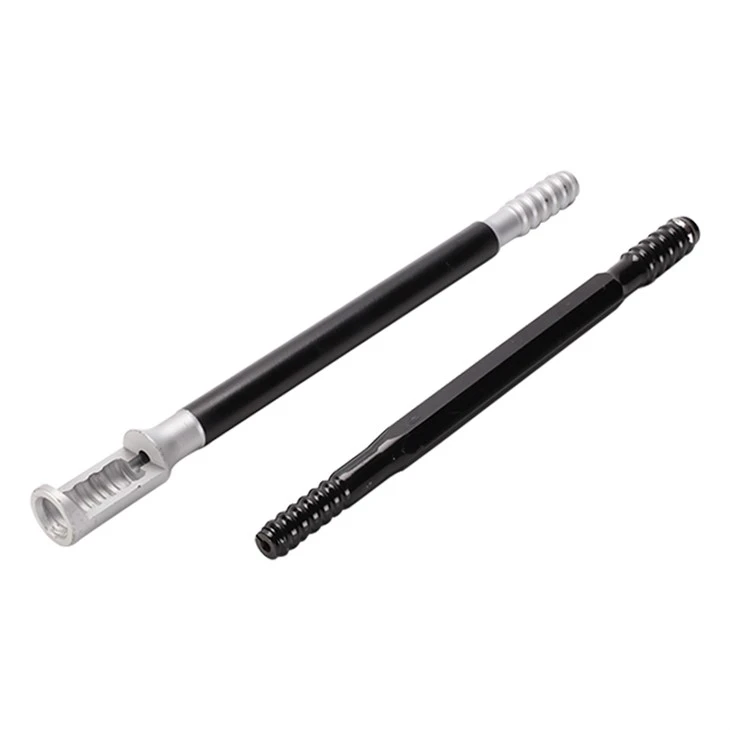
The drilling bit, on the other hand, is typically made of materials with high hardness and wear resistance, such as tungsten carbide. The material properties of the bit determine its ability to cut through different types of rock and soil. For example, a bit designed for soft rock may not be suitable for drilling through hard granite, and vice versa.
The design of the drilling rod and the bit also plays a crucial role in their interaction. The shape and size of the rod can affect its stiffness and flexibility, which in turn can impact the way it transfers forces to the bit. A rod that is too stiff may cause excessive stress on the bit, leading to premature failure, while a rod that is too flexible may not be able to transmit the forces effectively.
Similarly, the design of the bit, including its cutting edge geometry and the number and arrangement of the cutting elements, can influence how it interacts with the rod. A well-designed bit will be able to cut efficiently while minimizing the load on the rod, reducing wear and tear on both components.
The drilling conditions, such as the type of material being drilled, the depth of the hole, and the drilling speed, also have a significant impact on the interaction between the rod and the bit. For example, drilling through hard rock at high speeds can generate a lot of heat, which can affect the performance and lifespan of both the rod and the bit. In such cases, proper cooling and lubrication systems may be required to ensure optimal performance.
Importance of Choosing the Right Combination
Selecting the right combination of drilling rod and drilling bit is essential for achieving optimal drilling performance. A mismatched combination can lead to a range of problems, including reduced drilling efficiency, increased wear and tear on the components, and even equipment failure.
As a drilling rod supplier, I understand the importance of providing our customers with the right products for their specific needs. We offer a wide range of drilling rods, including Tapered drill rods, Extension Rod, and Steel Drill Rod, each designed to meet the requirements of different drilling applications.
When choosing a drilling rod, it's important to consider factors such as the type of drilling method, the material being drilled, and the depth and diameter of the hole. For example, if you're drilling through hard rock at great depths, you may need a high-strength drilling rod with a larger diameter to ensure sufficient force transmission.
Similarly, when selecting a drilling bit, you need to consider the material properties of the rock or soil, the drilling conditions, and the desired hole quality. A bit with the right cutting edge geometry and the appropriate number and arrangement of cutting elements will be able to cut through the material more efficiently, reducing the load on the rod and extending the lifespan of both components.
Conclusion
The interaction between a drilling rod and a drilling bit is a complex and critical aspect of any drilling operation. Understanding how these two components work together and the factors that influence their interaction is essential for achieving optimal drilling performance. As a drilling rod supplier, I'm committed to providing our customers with high-quality products and expert advice to help them choose the right combination of drilling rod and bit for their specific needs.
If you're involved in a drilling project and need assistance in selecting the right drilling rod or have any questions about the interaction between the rod and the bit, please don't hesitate to contact us. Our team of experts is here to help you ensure the success of your drilling operation.
References
- [Author's Name]. (Year). [Title of Book/Article]. [Publisher].
- [Author's Name]. (Year). [Title of Book/Article]. [Publisher].