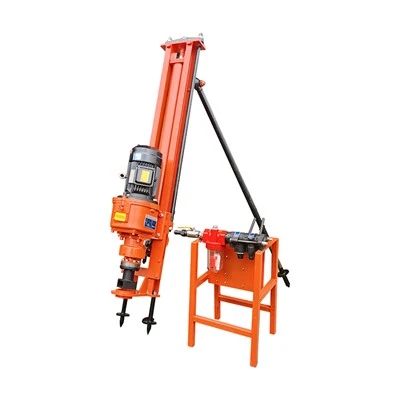
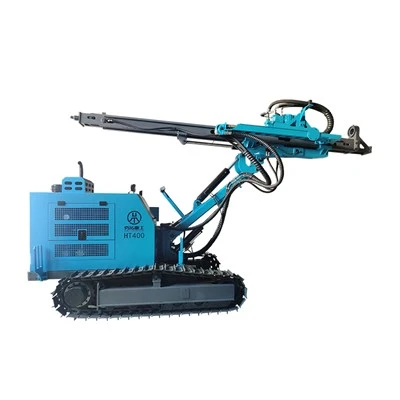
Hey there! As a supplier of water well drilling equipment, I often get asked if our gear can be used in coastal areas. Well, let's dive right into this topic and find out.
The Challenges of Coastal Areas
Coastal regions come with their own set of unique challenges. First off, there's the saltwater. Saltwater is highly corrosive, which can spell trouble for the metal parts of water well drilling equipment. Over time, corrosion can weaken the components, leading to breakdowns and costly repairs.

Another issue is the soil composition. Coastal soils are often sandy and loose, which can make it tricky to drill a stable well. The sand can cave in during the drilling process, causing the wellbore to collapse. Plus, the high water table in coastal areas means that there's a greater risk of water seeping into the well during drilling.
Our Equipment's Suitability
Now, you might be wondering if our water well drilling equipment can handle these challenges. The answer is a big yes! We've designed our machines to be tough and resilient, capable of withstanding the harsh conditions of coastal areas.
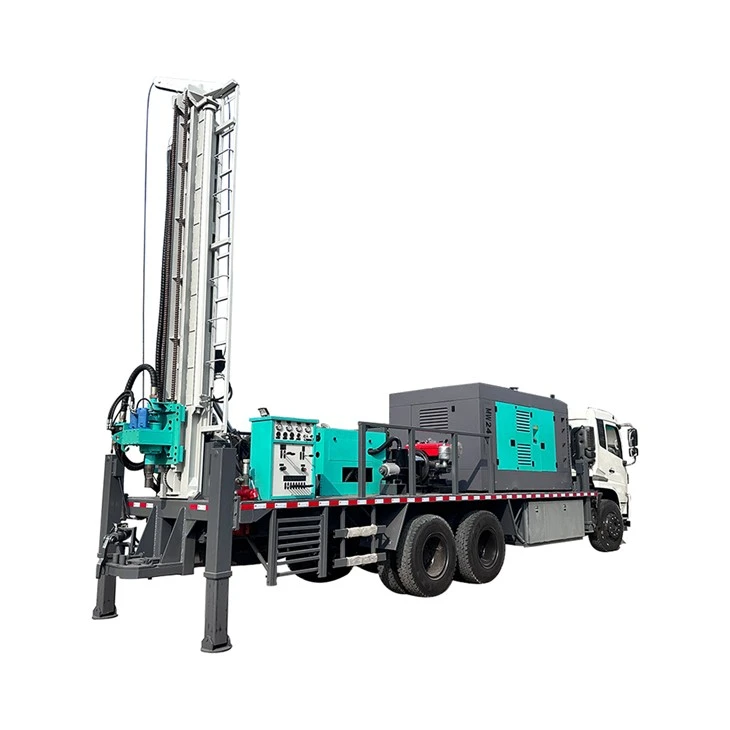
Take our Trailers Type Water Well Drilling Rig for example. It's built with high-quality materials that are resistant to corrosion. The rig's frame is made of stainless steel, which can stand up to the saltwater and humid air of coastal regions. And the drilling tools are coated with a special anti-corrosion layer, ensuring long-lasting performance.
Our reverse circulation water well drilling rig is also a great option for coastal drilling. This rig uses a reverse circulation system, which helps to keep the wellbore stable. By pumping drilling fluid down the drill pipe and up the annulus, it creates a positive pressure that prevents the sand from caving in. This makes it easier to drill through the loose coastal soils.
And then there's our water well drilling machine. It's equipped with advanced technology that allows for precise control of the drilling process. This is especially important in coastal areas, where the soil conditions can change quickly. With our machine, you can adjust the drilling speed and pressure to suit the specific conditions of the site.
Tips for Drilling in Coastal Areas
Even with the right equipment, drilling in coastal areas requires some extra care and attention. Here are a few tips to help you get the best results:
- Conduct a Site Survey: Before you start drilling, it's important to conduct a thorough site survey. This will help you understand the soil composition, water table, and any other potential challenges at the site. You can use this information to plan your drilling strategy and choose the right equipment.
- Use the Right Drilling Fluid: The type of drilling fluid you use can have a big impact on the success of your drilling project. In coastal areas, it's best to use a drilling fluid that is specifically designed for saltwater conditions. This will help to prevent corrosion and keep the wellbore stable.
- Monitor the Drilling Process: It's important to monitor the drilling process closely to ensure that everything is going smoothly. Keep an eye on the drilling parameters, such as the speed, pressure, and torque. If you notice any changes or problems, stop the drilling immediately and make the necessary adjustments.
- Maintain Your Equipment: Regular maintenance is key to keeping your water well drilling equipment in good condition. In coastal areas, it's especially important to clean and lubricate the equipment after each use to prevent corrosion. And don't forget to replace any worn or damaged parts as soon as possible.
Conclusion
So, there you have it! Our water well drilling equipment can definitely be used in coastal areas. With its corrosion-resistant materials, advanced technology, and rugged design, it's up to the challenge of drilling in the harsh coastal environment.
If you're interested in purchasing our water well drilling equipment for your coastal drilling project, don't hesitate to get in touch. We'd be happy to discuss your needs and help you choose the right equipment for the job.
References
- "Drilling in Coastal Areas: Challenges and Solutions" - Journal of Geotechnical and Geoenvironmental Engineering
- "Corrosion Prevention in Water Well Drilling Equipment" - International Journal of Corrosion