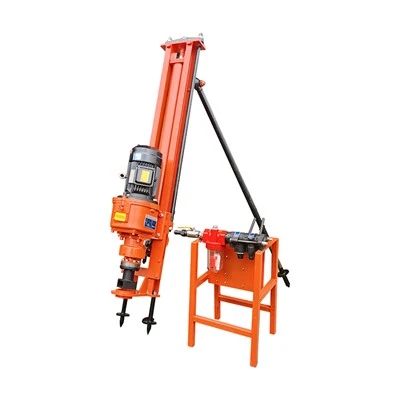
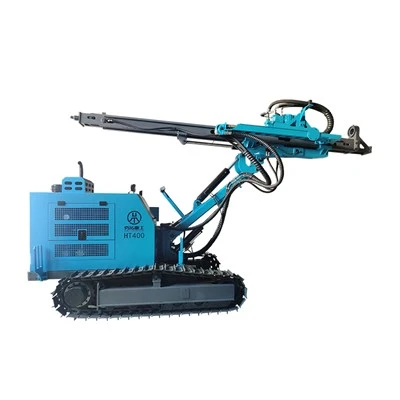
In the realm of mining operations, the selection of appropriate drilling equipment is crucial for ensuring efficiency, safety, and productivity. One such piece of equipment that often comes under consideration is the pneumatic air leg rock drill. As a leading supplier of pneumatic air leg rock drills, I am frequently asked whether these drills can be effectively used in mines. In this blog post, I will delve into the capabilities, advantages, and limitations of pneumatic air leg rock drills in mining applications.
Understanding Pneumatic Air Leg Rock Drills
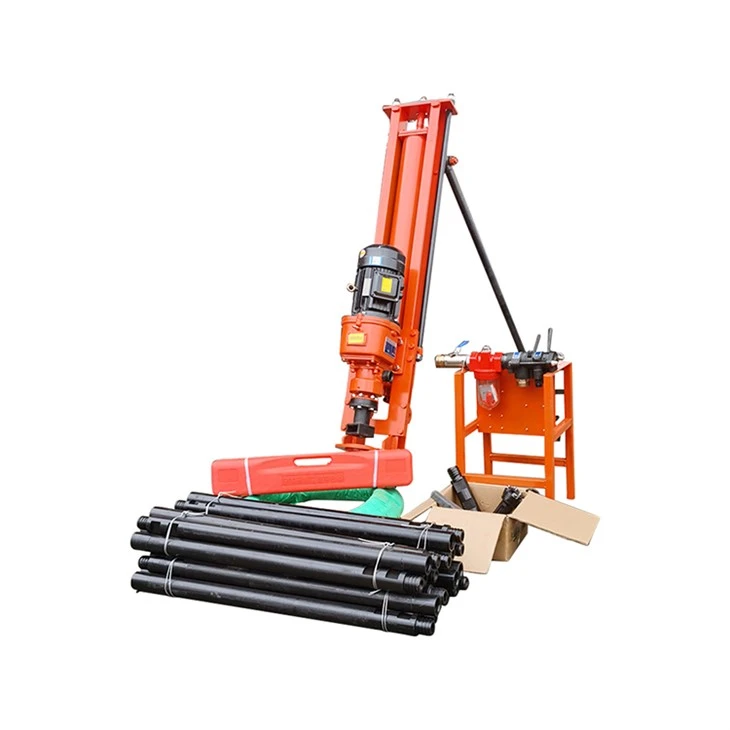
Pneumatic air leg rock drills are powerful tools designed to break through hard rock surfaces. They operate using compressed air as the power source, which drives a piston inside the drill to deliver rapid, high - impact blows to the drill bit. The air leg, a key component of these drills, provides support and height adjustment, allowing the operator to control the drilling angle and depth accurately.
These drills are known for their relatively simple design, which makes them easy to operate and maintain. They are also lightweight compared to some other types of rock drills, which can be an advantage in mines where mobility and ease of handling are important.
Advantages of Using Pneumatic Air Leg Rock Drills in Mines
1. Adaptability to Different Rock Types
One of the significant advantages of pneumatic air leg rock drills is their ability to work effectively in a wide range of rock types. Whether it's soft sedimentary rock or hard igneous rock, these drills can be adjusted to deliver the appropriate amount of force. For example, in coal mines where the rock is relatively soft, the drill can be set to a lower impact force to avoid over - drilling and damage to the surrounding area. In contrast, in metal mines where the rock is much harder, the drill can be adjusted to deliver more powerful blows.
2. Cost - Effectiveness
Pneumatic air leg rock drills are generally more cost - effective than some of their electric or hydraulic counterparts. The initial purchase price is often lower, and the operating costs are also relatively low. Compressed air, which is the power source for these drills, is usually readily available in mines, and the maintenance requirements are less complex compared to other types of drills. This makes them an attractive option for small to medium - sized mining operations with budget constraints.
3. Safety
Safety is a top priority in mining operations. Pneumatic air leg rock drills offer several safety benefits. Since they are powered by compressed air, there is no risk of electrical shock, which can be a concern with electric drills. Additionally, the absence of flammable hydraulic fluids eliminates the risk of fire hazards associated with hydraulic drills. The air leg provides stable support, reducing the risk of the drill slipping or tipping during operation, which can lead to serious injuries.
4. Mobility
Mines often have complex layouts with narrow passages and confined spaces. Pneumatic air leg rock drills are relatively lightweight and portable, making them easy to move around the mine. Operators can quickly set up and relocate the drill as needed, allowing for efficient drilling in different areas of the mine.
Limitations of Pneumatic Air Leg Rock Drills in Mines
1. Limited Depth of Drilling
One of the main limitations of pneumatic air leg rock drills is their limited depth of drilling. These drills are typically designed for shallow to medium - depth drilling. In some large - scale mining operations where deep drilling is required, such as in deep - seated metal mines, other types of drills like small down the hole drilling may be more suitable.

2. Dependence on Compressed Air Supply
Pneumatic air leg rock drills rely on a continuous supply of compressed air to operate. If there are issues with the air compressor or the air supply lines, the drill's performance can be severely affected. In mines where the compressed air system is not well - maintained or where there are long distances between the compressor and the drill, this can lead to reduced efficiency and downtime.
3. Noise and Vibration
The operation of pneumatic air leg rock drills generates significant noise and vibration. Prolonged exposure to high - level noise can cause hearing loss, and excessive vibration can lead to hand - arm vibration syndrome (HAVS) in operators. Adequate safety measures such as the use of ear protection and anti - vibration gloves are necessary, but these additional requirements can add to the overall cost and complexity of the operation.
Applications of Pneumatic Air Leg Rock Drills in Mines
1. Exploration Drilling
In the early stages of mining, exploration drilling is carried out to determine the presence and extent of mineral deposits. Pneumatic air leg rock drills are well - suited for this task. They can quickly drill holes in different locations to collect rock samples for analysis. Their portability allows exploration teams to access remote areas of the mine easily.
2. Blasthole Drilling
Blasthole drilling is a common operation in mines where explosives are used to break up large rock masses. Pneumatic air leg rock drills can be used to drill the holes for the explosives. Their ability to accurately control the drilling angle and depth ensures that the explosives are placed in the most effective positions for maximum rock fragmentation.
3. Support Drilling
In underground mines, support drilling is essential for installing rock bolts and other support structures to prevent roof falls and rock collapses. Pneumatic air leg rock drills can be used to drill the holes for these support elements. Their stability and ease of operation make them suitable for this critical safety - related task.
Our Pneumatic Air Leg Rock Drills
As a supplier of pneumatic air leg rock drills, we offer a range of high - quality products designed to meet the specific needs of mining operations. Our drills are built with durable materials and advanced technology to ensure reliable performance in harsh mining environments.
We also provide mini pneumatic drill options for applications where a smaller, more compact drill is required. These mini drills are ideal for drilling in confined spaces or for tasks that require less power.
Conclusion
In conclusion, pneumatic air leg rock drills can be effectively used in mines, especially in applications where their advantages outweigh their limitations. Their adaptability, cost - effectiveness, safety features, and mobility make them a viable option for many mining operations. However, it's important to carefully consider the specific requirements of the mine, such as the depth of drilling and the availability of compressed air, before making a decision.
If you are involved in a mining operation and are considering the use of pneumatic air leg rock drills, we encourage you to contact us for more information. Our team of experts can provide you with detailed product specifications, performance data, and guidance on selecting the right drill for your needs. We are committed to helping you improve the efficiency and safety of your mining operations.
References
- "Mining Engineering Handbook", Edited by Hartman, H.L., et al.
- "Rock Drilling Technology", By T. K. Ghosh.