Are there drilling bits for drilling through ice?
Drilling through ice is a unique and challenging task that has various applications, from scientific research in polar regions to ice fishing and construction on frozen surfaces. As a drilling bits supplier, I often encounter inquiries about whether there are specialized drilling bits designed specifically for ice drilling. In this blog post, I will explore the different types of drilling bits that can be used for ice drilling, their features, and the considerations when choosing the right bit for the job.
The Need for Specialized Ice Drilling Bits
Ice is a brittle and hard material with unique physical properties compared to rocks or other common drilling substrates. When drilling through ice, the bit needs to be able to cut through the ice efficiently while minimizing the risk of cracking or shattering the ice. Additionally, the drilling process in ice often requires a different approach due to the low temperatures and the potential for ice to refreeze around the bit.
Specialized ice drilling bits are designed to address these challenges. They typically have a sharp cutting edge and a geometry that allows for efficient ice removal. Some ice drilling bits also incorporate features such as anti-freeze coatings or heated elements to prevent ice from sticking to the bit and to maintain a consistent drilling performance.
Types of Drilling Bits for Ice Drilling
PDC Bits
PDC (Polycrystalline Diamond Compact) bits are a popular choice for ice drilling in certain applications. These bits are known for their high durability and cutting efficiency. PDC bits consist of a matrix body with PDC cutters embedded on the surface. The PDC cutters are made of synthetic diamond, which provides excellent hardness and wear resistance.
In ice drilling, PDC bits can be used to drill through thick ice layers. The sharp PDC cutters can easily penetrate the ice, and the bit's design allows for efficient removal of the ice chips. PDC bits are also suitable for drilling in ice with varying hardness levels. You can learn more about PDC Bits on our website.
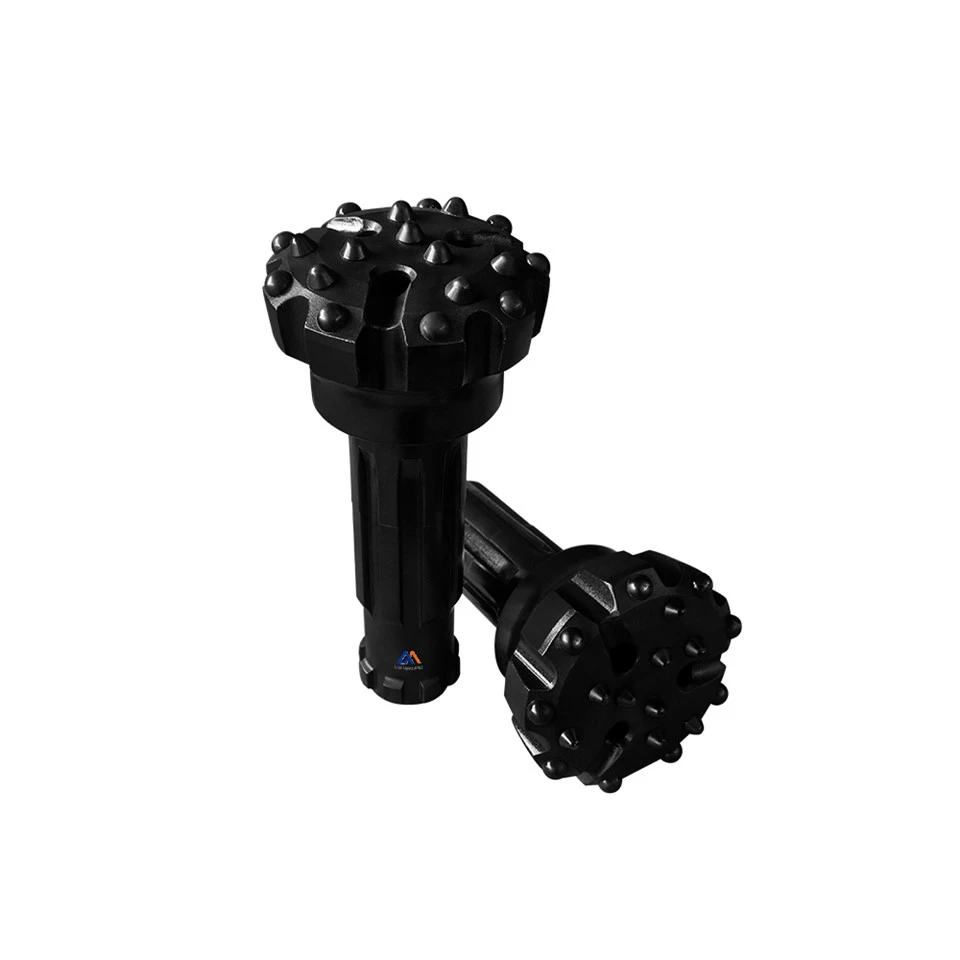
Tapered Button Drilling Bit
Tapered button drilling bits are another option for ice drilling. These bits have buttons or inserts on the cutting face that are tapered in shape. The tapered buttons provide a more aggressive cutting action, which is beneficial for drilling through hard ice.
The design of the tapered button drilling bit allows for effective ice fragmentation and removal. The buttons are arranged in a pattern that helps to distribute the cutting forces evenly, reducing the risk of bit wear and breakage. Tapered button drilling bits are commonly used in ice core drilling and other scientific applications where precise and efficient ice drilling is required. To find out more about Tapered Button Drilling Bit, click on the link.
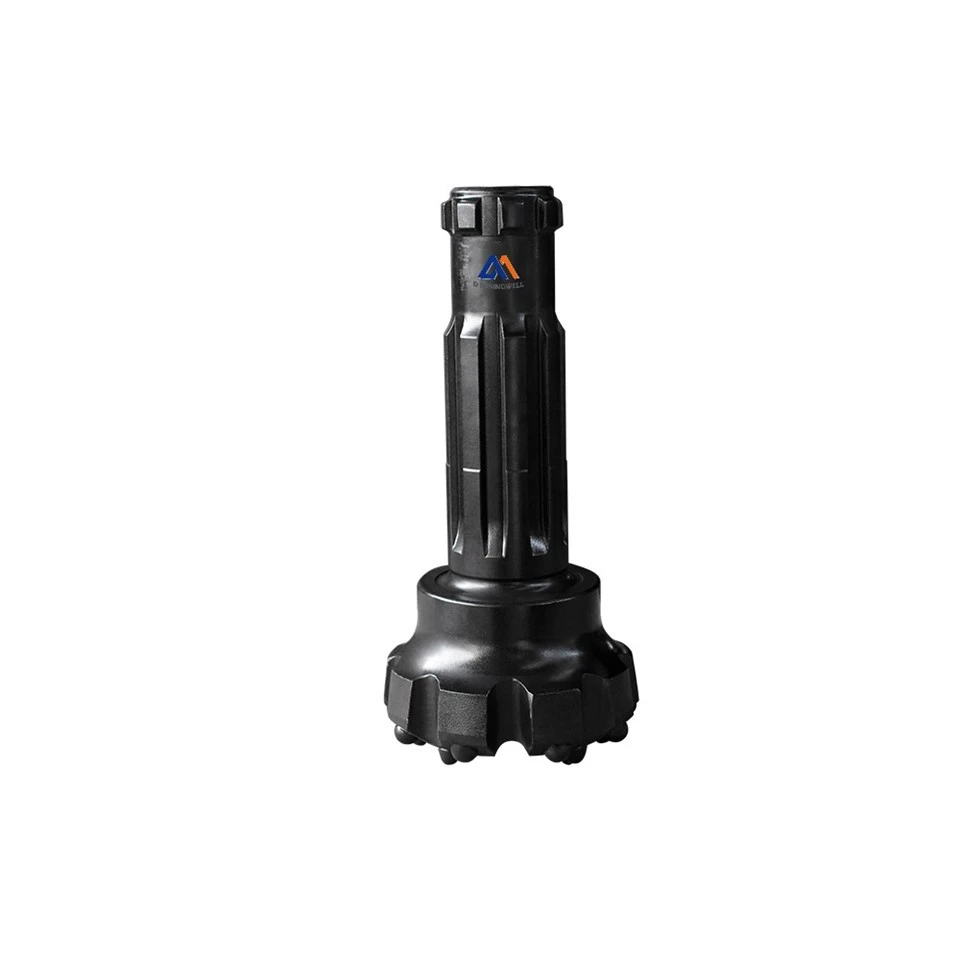
Down The Hole Drill Bit
Down The Hole (DTH) drill bits are also used for ice drilling, especially in large-scale projects such as ice exploration and construction on frozen ground. DTH drill bits are designed to be used with a DTH hammer, which provides a high-impact force to the bit.
The high-impact force of the DTH hammer allows the bit to break through thick ice layers quickly. DTH drill bits are typically made of high-strength steel and have a robust design to withstand the harsh drilling conditions in ice. They are also suitable for drilling in ice with high levels of impurities or in areas where the ice is under high pressure. You can get more information about Down The Hole Drill Bit on our website.
Considerations When Choosing a Drilling Bit for Ice Drilling
When choosing a drilling bit for ice drilling, several factors need to be considered:
Ice Thickness and Hardness
The thickness and hardness of the ice are important factors in determining the appropriate drilling bit. For thin ice layers, a smaller and more lightweight bit may be sufficient. However, for thick ice, a more powerful and durable bit, such as a DTH drill bit, may be required. The hardness of the ice also affects the choice of bit. Harder ice may require a bit with a more aggressive cutting edge, such as a tapered button drilling bit.
Drilling Speed and Efficiency
The drilling speed and efficiency are crucial in ice drilling, especially in time-sensitive projects. PDC bits are known for their high drilling speed and efficiency, making them a good choice for projects where fast drilling is required. However, the drilling speed also depends on other factors such as the drilling equipment and the operator's skills.
Bit Durability and Wear Resistance
Ice drilling can be a harsh and abrasive process, so the durability and wear resistance of the drilling bit are important considerations. Bits made of high-quality materials, such as PDC bits and DTH drill bits, tend to have better durability and wear resistance. Additionally, some bits may have special coatings or treatments to enhance their wear resistance.
Application and Project Requirements
The specific application and project requirements also play a role in choosing the right drilling bit. For example, in scientific ice core drilling, a bit that can provide a high-quality ice core sample may be required. In ice fishing, a more portable and easy-to-use bit may be preferred.
Conclusion
In conclusion, there are several types of drilling bits available for drilling through ice, each with its own features and advantages. As a drilling bits supplier, we offer a wide range of high-quality drilling bits suitable for ice drilling applications. Whether you are a scientist conducting research in the polar regions, an ice fisherman looking for a reliable bit, or a construction company working on a frozen project, we can provide you with the right drilling bit to meet your needs.
If you are interested in purchasing drilling bits for ice drilling or have any questions about our products, please feel free to contact us. Our team of experts is ready to assist you in choosing the most suitable drilling bit for your project. We look forward to working with you and helping you achieve successful ice drilling operations.
References
- Smith, J. (2018). Drilling Techniques in Ice. Journal of Polar Research, 35(2), 123-135.
- Johnson, A. (2019). Advances in Ice Drilling Bits. International Journal of Drilling Technology, 22(3), 45-56.
- Brown, C. (2020). Ice Drilling for Scientific Research. Arctic Science Review, 10(1), 78-90.