Air Drilling vs Water Drilling: How to Choose the Right Method for Hard Rock and Mixed Formations
Choosing the correct drilling method is one of the most critical decisions in any water well or geothermal drilling project. In many regions-especially mountainous areas and hard rock zones-project delays and high costs are often caused not by poor equipment quality, but by using an unsuitable drilling method for the geological conditions.
Among the most commonly used techniques today are air drilling (DTH hammer drilling) and rotary water drilling. Each has clear advantages, but also inherent limitations. Understanding how these methods work-and when to combine them-can significantly improve drilling efficiency and reduce operational risks.
Why Drilling Method Selection Matters
Geological conditions rarely remain uniform from surface to target depth. A single borehole may pass through:
- Topsoil and clay layers
- Weathered rock
- Hard bedrock
- Gravel or cobble formations
Using only one drilling method throughout the entire process often leads to problems such as:
- Low penetration rates
- Stuck drill pipes
- Excessive tool wear
- High fuel and maintenance costs
Selecting the correct drilling method-or a combination of methods-allows operators to adapt to changing formations and maintain stable progress.
How Air Drilling (DTH Hammer Drilling) Works
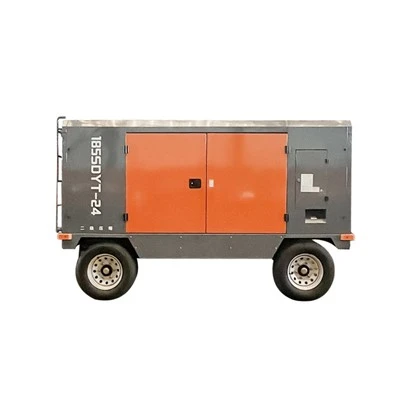
Air drilling uses a down-the-hole (DTH) hammer powered by compressed air. The hammer delivers high-frequency impact energy directly to the drill bit, making it especially effective in hard rock formations.
Key Advantages of Air Drilling
- High penetration rate in hard rock
- Efficient energy transfer to the bit
- Clean borehole in dry conditions
- Reduced bit wear in competent formations
Limitations of Air Drilling
Despite its strength in rock, air drilling performs poorly in:
- Loose soil and clay layers
- Water-bearing formations
- Collapsing or unstable strata
In these conditions, air circulation alone cannot effectively remove cuttings, often leading to hole collapse or tool jamming.
Why Combining Air and Water Drilling Improves Efficiency
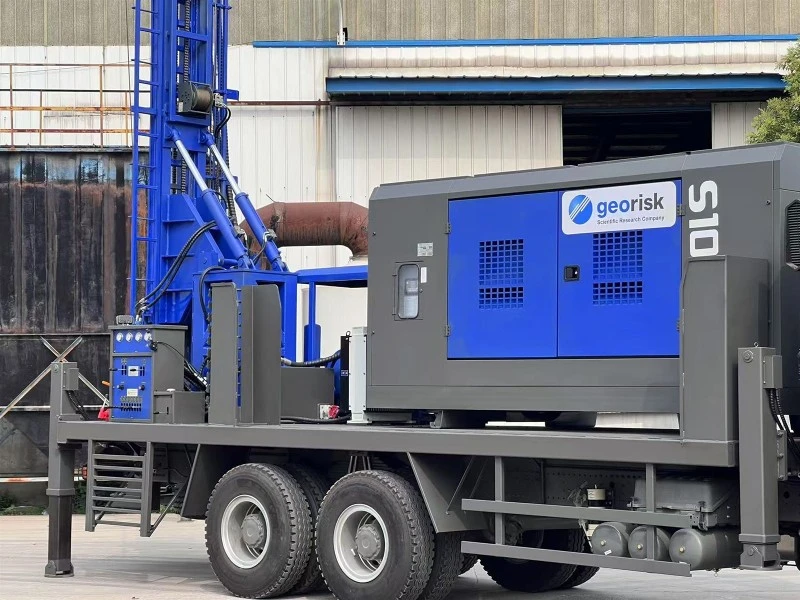
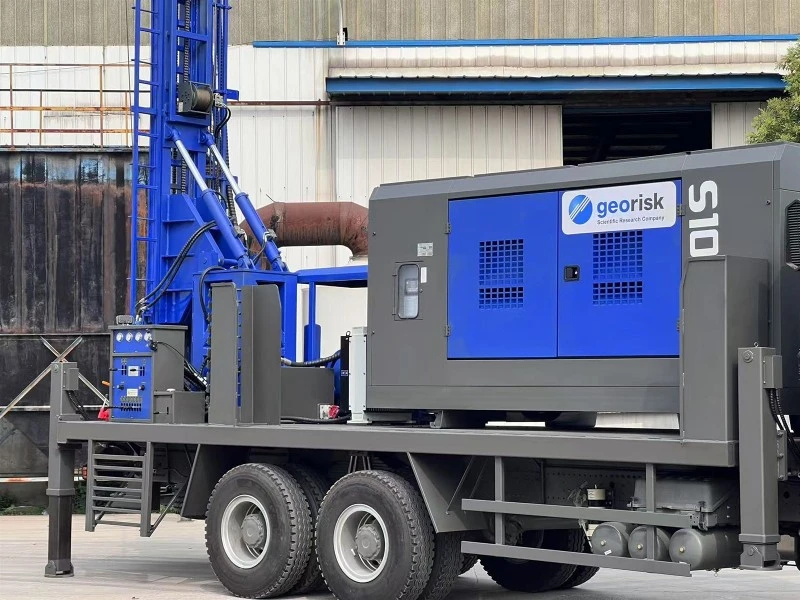
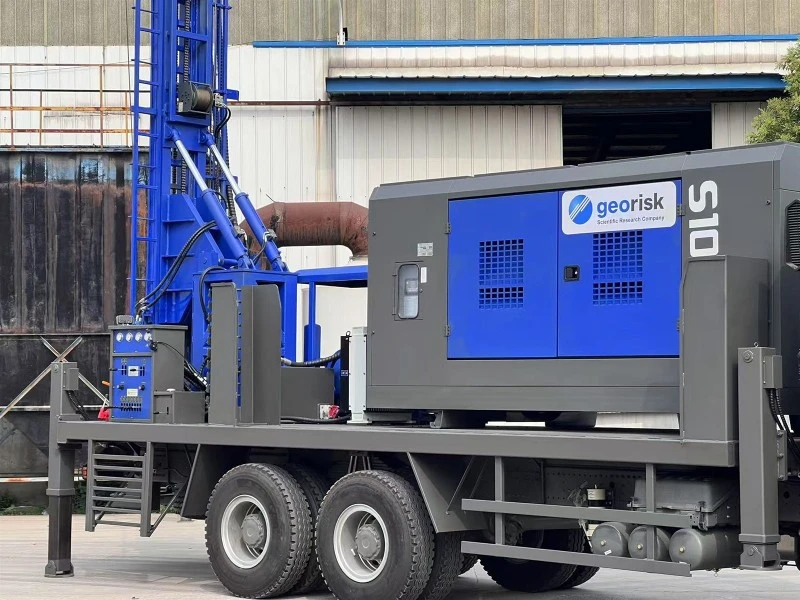
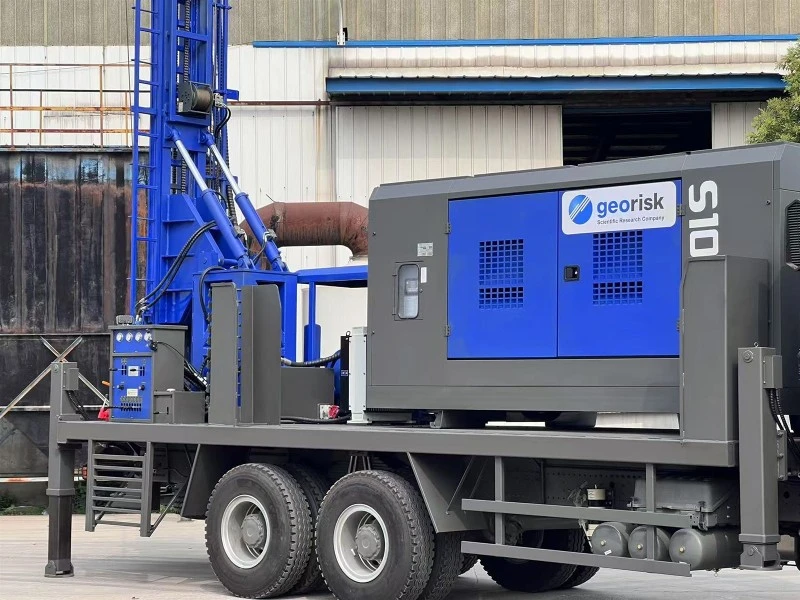
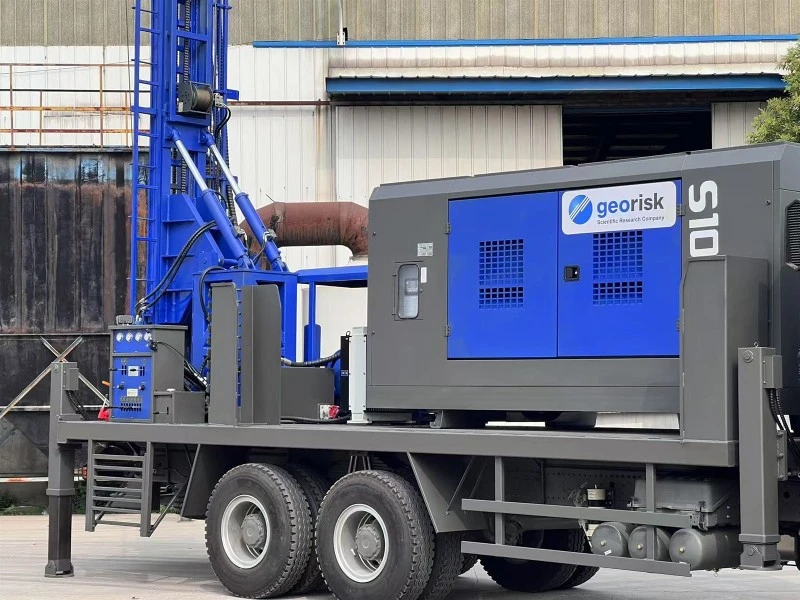
Modern drilling practice increasingly favors hybrid drilling solutions that integrate both air DTH hammer drilling and rotary water drilling within a single rig.
By switching methods according to formation conditions, operators can:
- Use water drilling in soil and unstable layers
- Switch to air DTH drilling when hard rock is encountered
- Maintain stable borehole conditions throughout the entire depth
- Significantly improve overall drilling efficiency
This combined approach is particularly effective in mountainous regions and mixed geological structures, where formation changes are frequent and unpredictable.
Geological Conditions Best Suited for Hybrid Drilling
Combined air and water drilling performs exceptionally well in:
- Mountain water well projects
- Hard rock overlain by soil or weathered layers
- Gravel and cobble formations
- Deep irrigation wells with mixed strata
- Geothermal boreholes requiring stable hole conditions
In these scenarios, hybrid drilling offers both adaptability and performance advantages that single-method rigs cannot achieve.
Summary: Choosing the Right Drilling Method
There is no universal drilling method suitable for all geological conditions. The most efficient and cost-effective approach is to:
- 1.Understand the expected formations
- 2.Recognize the strengths and limitations of each drilling method
- 3.Use equipment capable of switching between air and water drilling
For operators working in complex geology, method flexibility is often more important than raw power. Selecting the right drilling strategy can reduce risk, improve efficiency, and ensure long-term project success.