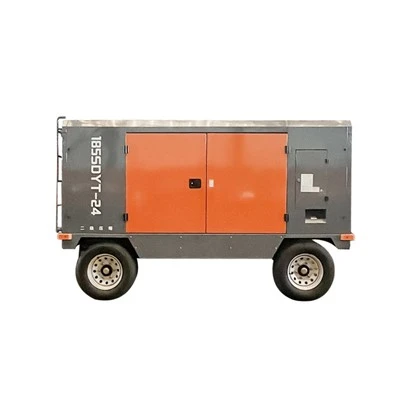
1.Rock layer: When the water well drilling rig encounters the rock layer, its hardness poses a great challenge to the drilling operation. At this time, it is necessary to select suitable roller bits, down-the-hole drill bits, etc. according to the specific type of rock, such as granite, limestone, etc., and the hardness grade.With a high-power hydraulic hammer device, the rock is broken by combining high-frequency impact and rotary cutting, while monitoring the drilling pressure and speed. On the basis of ensuring the drilling accuracy, the drilling efficiency and hole quality are improved.
2. Sand layer: The sand layer has loose particles and large porosity. When drilling with a water well drilling rig, if the speed is too fast, it is very easy to cause hole collapse, resulting in drilling fluid leakage, and even drilling tool jamming accidents. Therefore, it is necessary to strictly control the drilling speed and adopt a low-speed slow-advance strategy. At a certain depth, extract core samples, analyze the parameters such as sand layer particle grading and density, and inject mud with appropriate proportions in time according to the analysis results to increase the stability of the hole wall. If necessary, casing can be lowered for protection.
3. Clay or mud layer: Clay and mud layers are easy to soften and expand when exposed to water, causing the hole wall to become unstable and collapse. When the water well drilling rig is operating, a progressive drilling method with low drilling pressure and slow speed should be adopted to avoid excessive disturbance of the soil layer. Reasonably allocate drilling fluid with high viscosity and high shear force, and use its suspension and wall protection functions to form a dense mud skin on the hole wall. For particularly weak areas, decisively use casing wall protection or pressure grouting technology to enhance the bearing capacity of the hole wall and ensure the safety of drilling.
4.When you're drilling, aquifers usually have a ton of groundwater. Soon as the drill hits that layer, water can come gushing out- and that doesn't just mess with the operation, but in worse situations, it might even make the wellbore cave in, which screws up how the well works later on. Therefore, after an aquifer is detected, it is necessary to promptly measure its water yield and water pressure. If the amount of water is small, a water pump can be used to directly pump water to maintain a stable water level in the hole; if the amount of water is large and the water pressure is high, sealing methods such as chemical grouting are required to first isolate the water flow and then continue drilling to ensure that the entire operation process is carried out safely and orderly, thereby ensuring the quality of the water well project.
In general, for different soil conditions, water well drilling rig operators need to have rich experience and skills, and flexibly use drilling technology and techniques to achieve the goal of completing water well drilling tasks efficiently and safely. It is recommended that in actual operations, drilling parameters and measures should be adjusted in time according to on-site conditions to ensure smooth drilling.