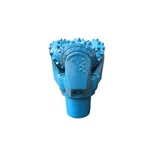
Why Your DTH Drilling Is Slow - 90% of the Time, the Air Compressor Is Wrong
Before discussing common mistakes, you may want to understand how DTH drilling actually works.
Drilling Is Slow? The Rig and Hammer Are Often Not the Problem
Many water well drilling contractors face the same frustration:
Penetration rate drops after 80–120 meters
Fuel consumption keeps increasing
The DTH hammer feels "weak" or unstable
Bits wear faster than expected
The first reaction is usually:
"The hammer quality is not good."
"The drilling rig is not powerful enough."
But in real field cases, over 90% of slow DTH drilling problems are caused by the wrong air compressor selection - not the rig, not the hammer.
How DTH Drilling Actually Works (Simple Explanation)
DTH drilling efficiency depends on three things working together:
Impact energy from the hammer
Continuous air flow to clean cuttings
Stable pressure at depth
If any one of these is insufficient, drilling speed drops sharply.
👉 The air compressor is the only component responsible for items 2 and 3.
The 4 Most Common Air Compressor Mistakes
❌ Mistake 1: Enough Pressure, Not Enough Air Flow
This is the most common and most expensive mistake.
Example:
Compressor rated at 17 bar
Actual air flow only 12 m³/min
Hammer requires 15–18 m³/min
Result:
Pressure looks correct on paper
Hammer starves for air
Penetration rate drops
👉 Pressure without flow is useless in DTH drilling.
01
❌ Mistake 2: Compressor Selected by Brand, Not by Parameters
Many buyers choose compressors like this:
"Atlas Copco must be good"
"My friend uses this brand"
But brand alone does not drill wells.
What matters more:
Continuous air output
Stability under load
Matching with hammer size
👉 A well-matched mid-range compressor will outperform a famous brand chosen incorrectly.
02
❌ Mistake 3: Ignoring Depth-Related Pressure Loss
As drilling depth increases:
Hose length increases
Friction loss increases
Effective pressure at the hammer drops
If this is not calculated:
Compressor works at full load
Hammer impact energy decreases
Fuel consumption rises
👉 This is why a 14.5 bar compressor works at 100 m but fails at 200 m.
03
❌ Mistake 4: Choosing the "Cheapest Option" for Continuous Drilling
Low-cost compressors may work for:
Shallow wells
Short operation cycles
But in continuous DTH drilling:
Air output fluctuates
Overheating occurs
Maintenance cost increases
👉 Cheap compressors often become the most expensive choice long-term.
04
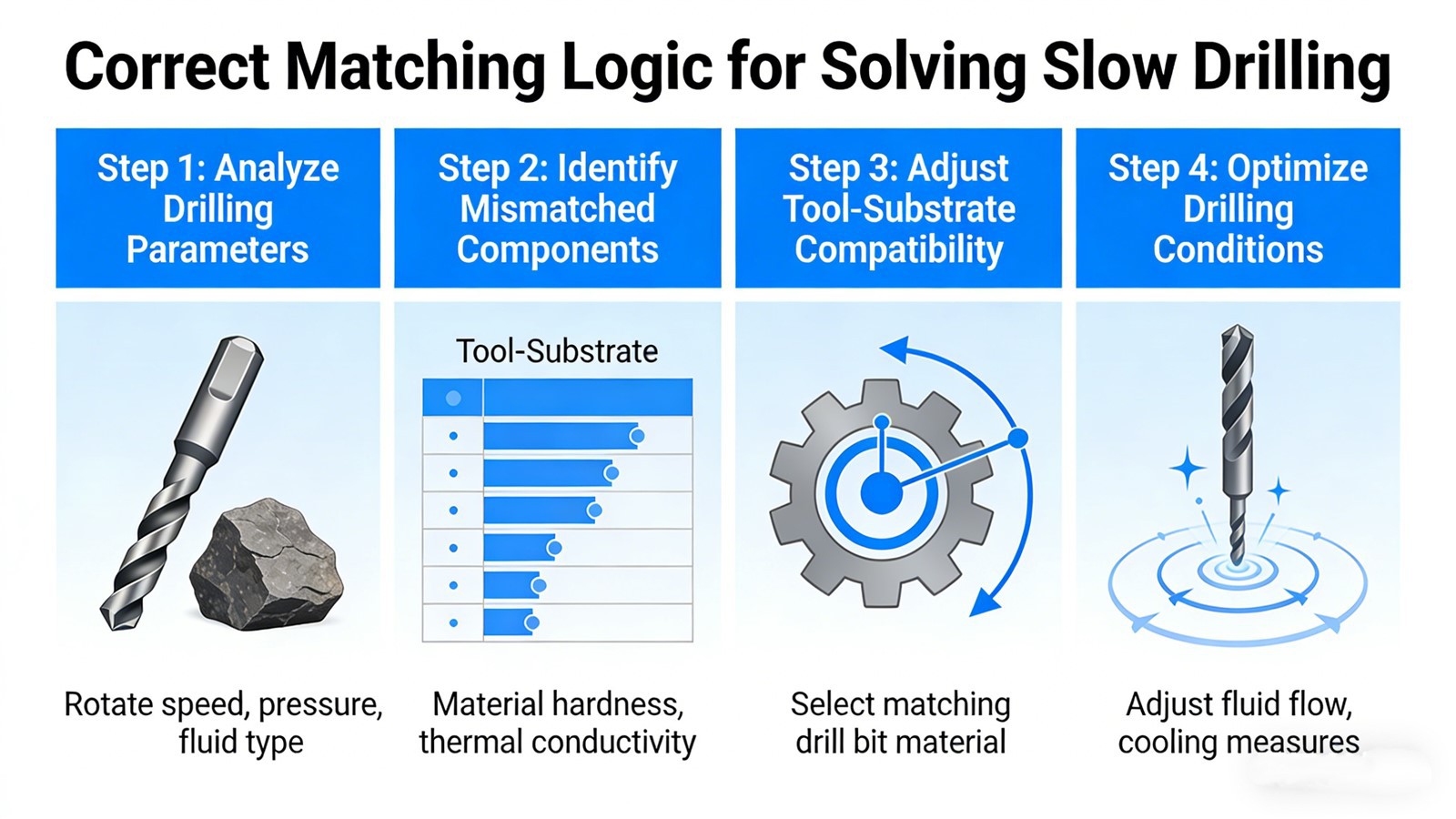
Correct Matching Logic That Solves Slow Drilling
Instead of asking "Which brand is best?", ask these questions:
-
What is the hammer air consumption?
-
What is the target drilling depth?
-
What working pressure is required at the hammer?
-
Can the compressor maintain this pressure continuously?
Only after these are clear should brand and price be considered.
Typical Scenarios We See in the Field
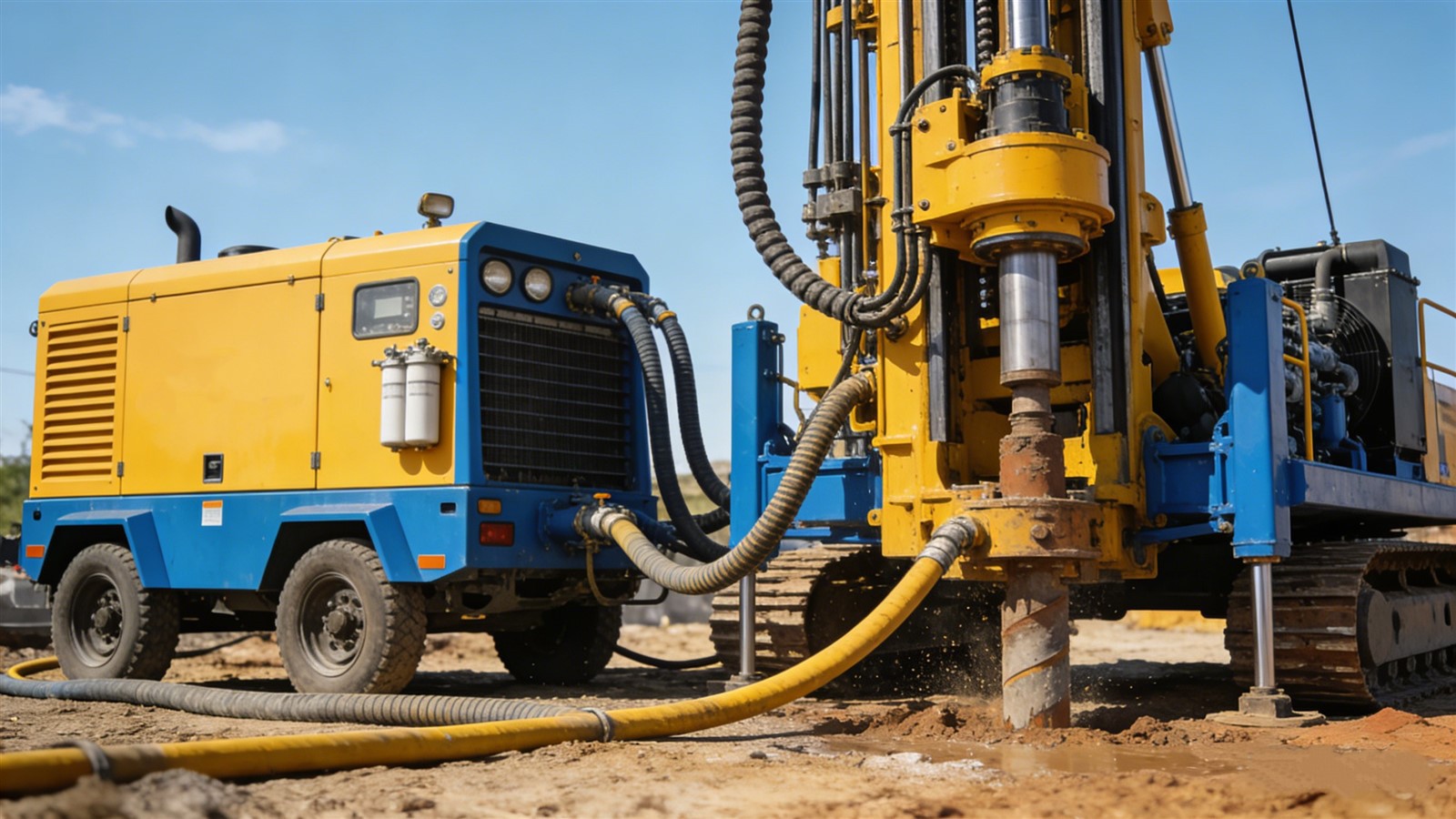
Scenario ①
5 inch hammer
Drilling depth: 250 m
Compressor used: 14.5 bar / 12 m³/min
Result:
Slow drilling
Frequent hammer stoppage
Correct solution:
Upgrade to 17 bar / 15–18 m³/min compressor
Final Advice - Fix the Compressor, Fix the Drilling Speed
If your DTH drilling is slow, do not replace the rig or hammer first.
Check:
Actual air flow at working pressure
Pressure loss with depth
Matching with hammer size
In most cases, correcting the compressor selection immediately improves penetration rate.
Need Help Diagnosing Your Drilling Problem?
If you are experiencing:
Slow drilling speed
High fuel consumption
Frequent hammer issues
Tell us:
Hammer size
Drilling depth
Current compressor model
We can help you identify whether the compressor is the real problem and recommend a correct solution.
📩 A small adjustment in compressor selection can dramatically change drilling efficiency.